REVIEW · LOS ANGELES
Burbank: TCM Classic Films Tour
Book on GetYourGuide →Operated by Warner Bros. Studio Tour Hollywood · Bookable on GetYourGuide
Classic Hollywood, without the museum fog. This TCM Classic Films Tour at Warner Bros. Studios in Burbank focuses on a few exact, film-fan stops that feel real, not generic. I like how the tour ties those locations to the classic-movie vibe you get from TCM, so the studios don’t feel like a random site list.
Two highlights I really like: the exterior of James Dean’s apartment, tied to his time working on the lot, and the chance to step into the studio world at the Property House. The Property House is built for prop people, with an eye-popping range of recognizable movie and TV items.
One thing to consider: photography is limited, and video recording isn’t allowed. If you plan to document everything on your phone like a normal museum day, adjust your expectations before you go.
In This Review
- Key points to know before you book
- Entering Warner Bros. Studio Hollywood from 3400 Warner Blvd
- The tour structure: 1.5 guided hours + 2 self-guided hours
- The guided visitor center stop: set the movie-fan context fast
- James Dean’s apartment exterior: the on-lot moment that feels personal
- The rose garden and Jack Warner’s tennis court: a quiet pause with real context
- Eastwood Scoring Stage built in 1929: where movie sound gets its power
- Property House: over a half-million props and a few famous showpieces
- Self-guided time in Burbank: how to make those 2 hours count
- Price and value at $99 per person
- What to bring and what to know before you go
- Who this tour fits best (and who might want something else)
- Should you book the Burbank TCM Classic Films Tour?
- FAQ
- How long is the TCM Classic Films Tour?
- Where does the tour start and end?
- Is the tour guided or self-guided?
- What does the tour include?
- What are the photography and recording rules?
- What do I need to bring for studio entry?
- Is there parking at the studio?
- Is it wheelchair accessible, and is it okay for young children?
Key points to know before you book
- James Dean’s apartment exterior gives you a specific “on-lot” connection, even though it’s just the outside view
- Rose garden was once Jack Warner’s tennis court, and it’s framed by talent dressing rooms
- Eastwood Scoring Stage (built in 1929) is where you get access to the scoring-stage setting for famous titles
- Property House houses over a half-million television and movie props, including recognizable showpieces
- Guided then self-guided timing helps if you like hearing context first and then moving at your own pace
Entering Warner Bros. Studio Hollywood from 3400 Warner Blvd
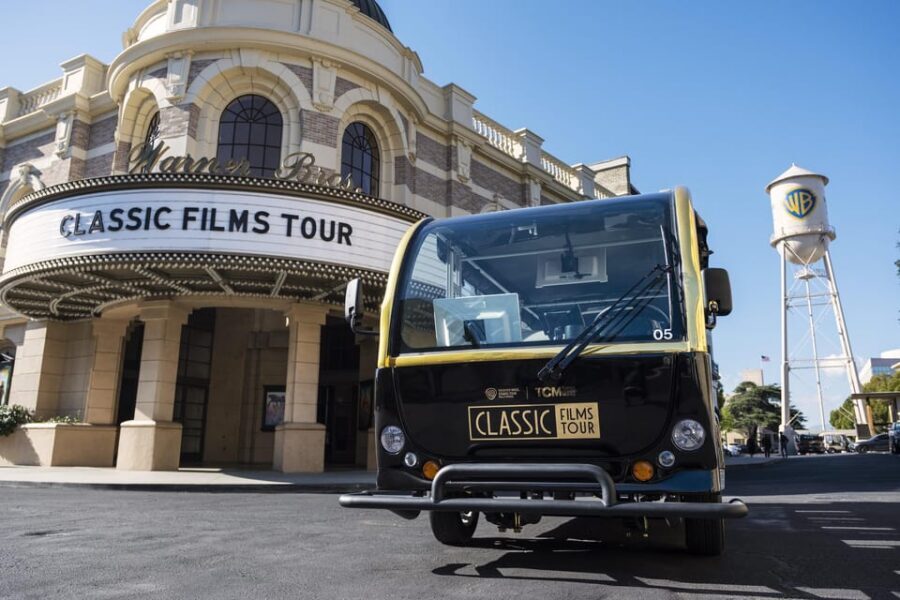
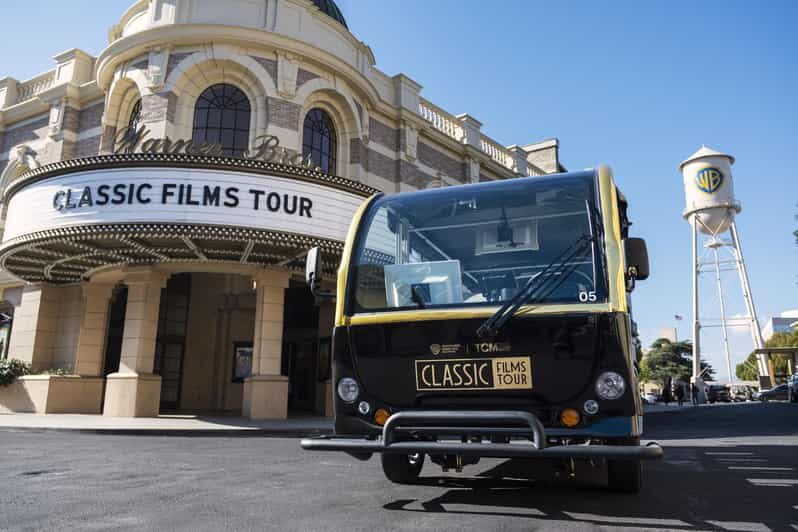
You start at 3400 Warner Blvd, where the whole day’s rhythm is built around the studio’s visitor setup. That matters because this isn’t a “walk until it feels fun” type of tour. It’s organized: you meet up, get oriented, then you’re set loose for parts of the experience.
Your time is also structured so you don’t feel stuck in one long lecture. You get 1.5 hours guided and 2 hours self-guided during the tour’s 3.5-hour total run time. That split is a smart way to balance storytelling with freedom.
Also worth planning for: parking is available at the starting address for a fee, and your mobile voucher acts as your ticket. You won’t need to line up like you’re waiting for a paper pass at the door.
You can also read our reviews of more tours and experiences in Los Angeles.


The tour structure: 1.5 guided hours + 2 self-guided hours

This TCM Classic Films Tour moves in two stages. First comes the guided tour at the visitor center (about 1.5 hours), which is your context-building portion. You’ll get the studio viewpoint and the classic-film focus that the tour is known for.
Then you shift into a self-guided section (about 2 hours). This is when the tour’s biggest wins—specific locations like the rose garden, James Dean’s apartment exterior, and the Property House—feel easier to take in without a rushed cadence. If you like to linger at details, the self-guided time is where you’ll spend it.
You also return to 3400 Warner Blvd at the end, so you’re not solving logistics across the sprawling studio property.
The guided visitor center stop: set the movie-fan context fast
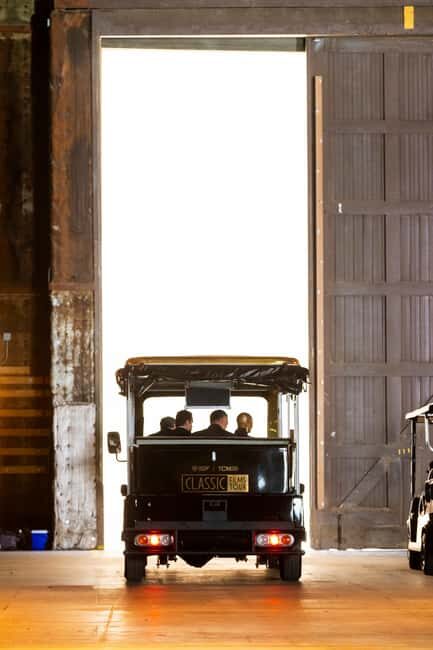
The first stop is at the visitor center, with a live English-speaking guide leading the guided tour for roughly 1.5 hours. I like this order because it helps you read what you’re seeing while you’re still fresh.
This part is where the tour’s theme clicks: Golden Age movie vibes, plus the breadth of the Warner Bros. library. The tour is designed to celebrate iconic titles associated with TCM, while still making it clear this is a studio that produced way more than just a few legendary films.
Practical tip: wear comfortable shoes here. Even though the stops you’ll remember are specific, you still need to be ready for studio walking.
James Dean’s apartment exterior: the on-lot moment that feels personal

One of the most compelling stops is the exterior of James Dean’s apartment. You’re not going inside; you’re seeing the outside where he resided while working at Warner Bros. Studios. Still, that’s exactly why this stop lands. It takes a famous name and anchors it to an actual studio-era location you can stand near.
I also like that the tour doesn’t treat James Dean like a generic star photo on a wall. It frames his connection to the working environment—he was there for the job, not as a myth.
If you’re a film-history fan, this is the sort of stop that makes everything else feel less like sightseeing and more like you’re following a working-studio timeline.
The rose garden and Jack Warner’s tennis court: a quiet pause with real context
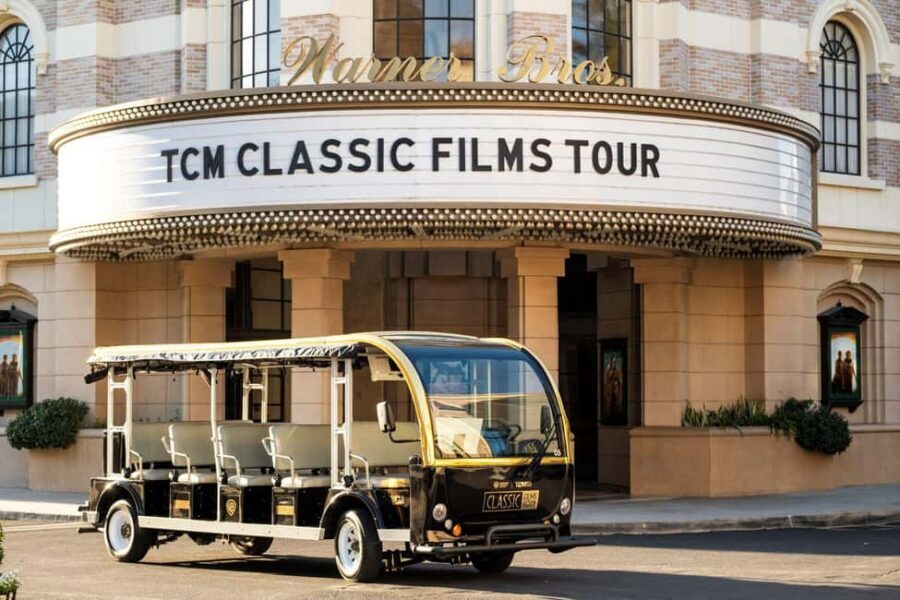
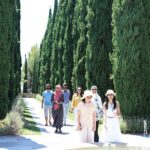
Next comes the serene rose garden, and the detail that makes it interesting is the backstory: it was once Jack Warner’s tennis court. That single fact changes the mood. You stop thinking of it as just a pretty courtyard and start imagining early studio life—where business, recreation, and talent all overlapped.
This garden is also described as surrounded by talent dressing rooms, which gives the space a studio-working feel. So even though it’s a calm area, it’s not removed from the action. You’re still in the ecosystem where performers prepared for work.
If your goal is to get photos, this is also one of the best natural-light spots on the tour. Just remember: photography is limited, and video recording is not permitted.



Eastwood Scoring Stage built in 1929: where movie sound gets its power
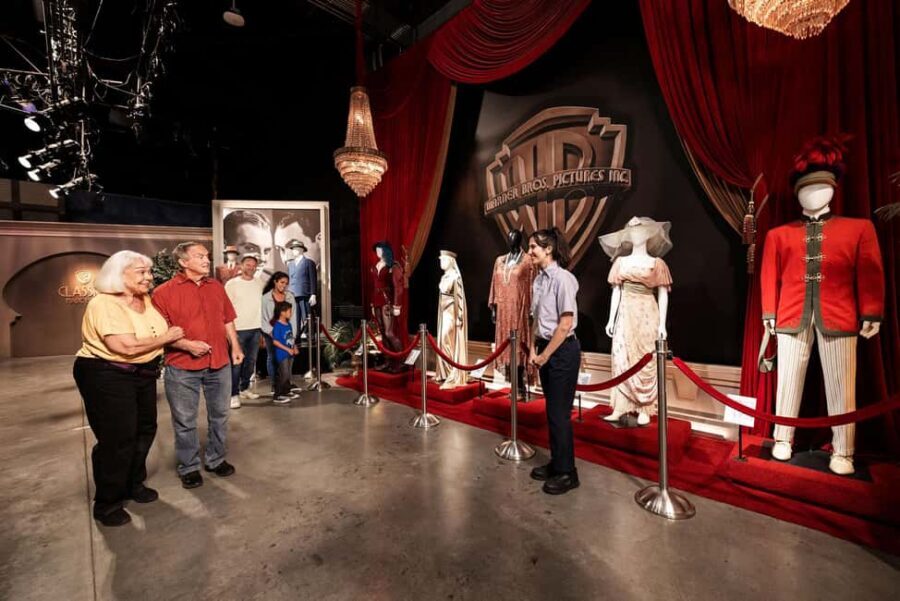
Another major stop is access to the Eastwood Scoring Stage, built in 1929. The value here isn’t just the name. It’s that you’re in a real place built for scoring—music and sound designed to shape emotion frame by frame.
This is a good break for anyone who’s more “film craft” than “actor sightings.” You’ll get a sense of how studios create the finished emotional product, not just the on-screen look.
If you care about movie-making details, you might find yourself paying attention to the idea that scoring stages are engineered for sound. Even without technical explanations, the setting helps you understand why music and effects feel so controlled when they hit the final cut.
Property House: over a half-million props and a few famous showpieces
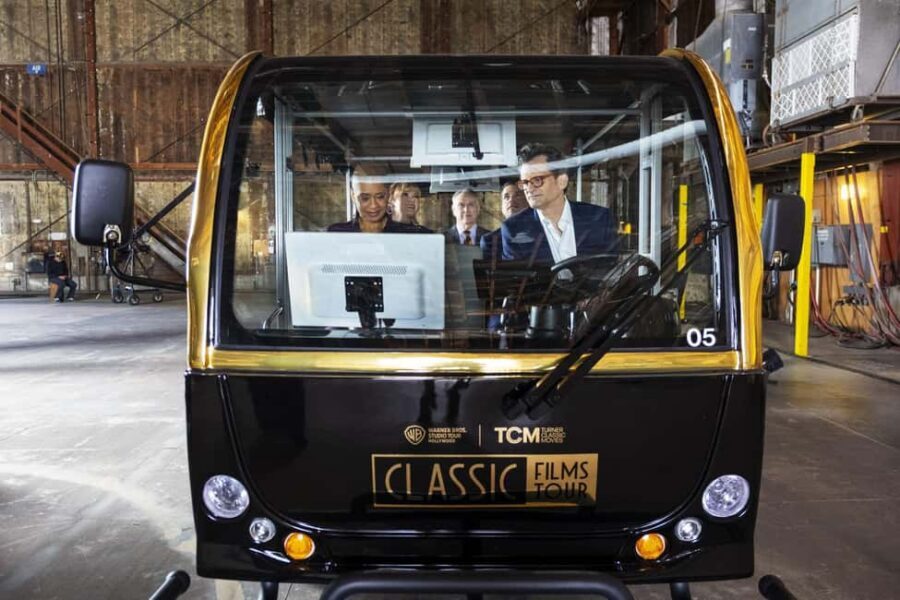
The star stop for most classic-movie fans is the Property House. It houses over a half-million television and movie props, and you get to see them while the tour keeps the focus on recognizable items and costumes.
This is where I’d place your “slow down and browse” energy. It’s not a one-look-and-go stop. The point is to see the scale of the studio’s prop library and to notice how often props carry the story. A chair, a chandelier, a costume—those objects are doing narrative work.
Two specific examples are highlighted: the pirate chair from Captain Blood and the Tiffany’s chandelier from The Letter. Seeing things like that (even at an exhibit-style distance) helps you understand why viewers remember moments so strongly. Props are visual shorthand for genre, wealth, danger, romance—you name it.
If you’re a collector-minded person, this stop will likely feel like browsing an archive where film memory is physically stored.
Self-guided time in Burbank: how to make those 2 hours count
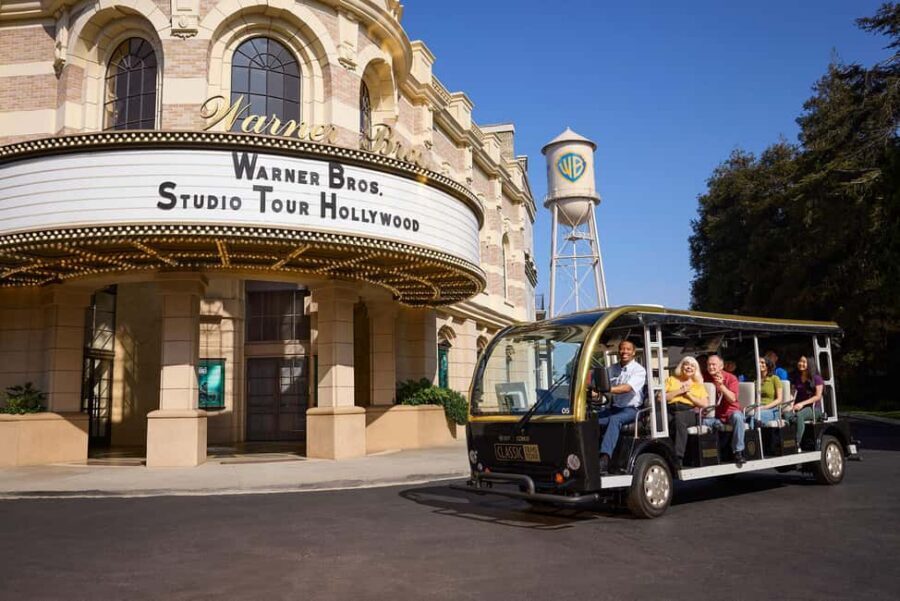
Your self-guided block gives you control. That’s useful because studio spaces can surprise you. Some corners feel like they demand a pause; others move quickly. With self-guided time, you can match your pace to your interests.
Here’s how I recommend using it:
- Start with the “must-see” locations first, so you don’t end up rushing the stops that actually matter to you.
- Then return to the areas that have the most visual details—especially the Property House—because it’s the kind of place where the second look is often better than the first.
Also, if you’re planning your day around photos, keep the rules in mind: photography is limited, and video filming isn’t permitted. You’ll have a better experience if you aim for a few key shots rather than trying to capture everything.
Price and value at $99 per person
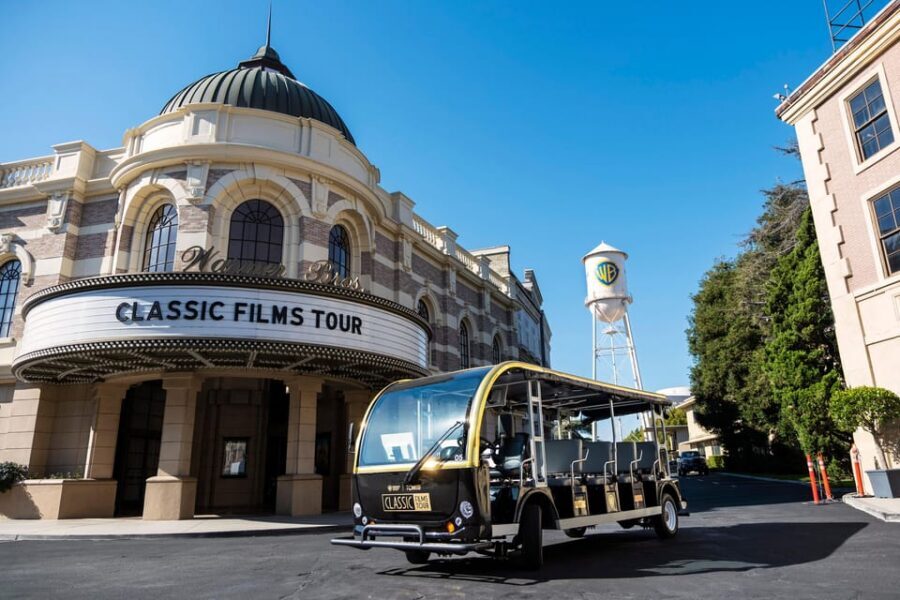
At $99 per person for a 3.5-hour tour, this isn’t the cheapest studio activity, but it’s also not priced like a private extravagance. The value comes from the mix of access plus specificity.
You’re not just walking past a few exterior facades. You get:
- a guided portion that frames the classic-film theme,
- access to the Eastwood Scoring Stage,
- a stop inside the Property House with an enormous prop collection,
- and specific, fan-recognizable locations like James Dean’s apartment exterior and the Jack Warner tennis-court rose garden.
So what you’re paying for is focus. The tour is built around places with storytelling built in, not just generic “studio tour stuff.” If you’re the type of movie fan who cares about props, sound, and studio craft, the $99 makes sense as an entry ticket to the working-details side of Hollywood.
What to bring and what to know before you go
This tour is straightforward, but you do need to be ready with the basics.
Bring:
- a passport or ID card
- your driver’s license
What to expect on-site:
- Personal belongings may be subject to a search.
- Your mobile voucher is your ticket for entry, so you can skip the standard line-up hassle.
- Video recording isn’t allowed, and photography is limited.
One more practical angle: this activity isn’t set up like a kid playground. It’s not suitable for children under 5. If you’re traveling with little ones, plan accordingly.
Who this tour fits best (and who might want something else)
This is a strong fit if you love classic film and you like seeing the studio world behind the screen. It’s also a great match for people who enjoy:
- movie-making craft (especially scoring stages),
- prop and costume culture,
- and “named-location” sightseeing, where stops tie back to specific film-era stories.
You might be less thrilled if you’re looking for a long, inside-everywhere production studio experience with lots of unrestricted filming. The rules are clear, and some of the most famous connections—like James Dean’s—are exterior views.
That said, it’s still a very efficient way to spend half a day in Burbank with a classic-film lens and a couple of truly memorable physical stops.
Should you book the Burbank TCM Classic Films Tour?
If your goal is to see Warner Bros. with a classic-movie focus and you want access to the Eastwood Scoring Stage plus the Property House without turning it into an all-day project, this is an easy yes. The tour’s strongest points are the specificity: James Dean’s apartment exterior, the rose garden tied to Jack Warner’s tennis court, and the half-million-prop scale of the Property House.
On the other hand, if you really need lots of video, unrestricted filming, or long, end-to-end roaming time, you’ll probably feel constrained. The experience is designed for viewing and context, not content creation.
FAQ
How long is the TCM Classic Films Tour?
The tour duration is listed as 3.5 hours. Starting times vary, so you’ll need to check availability for the exact slot.
Where does the tour start and end?
The tour starts and ends at 3400 Warner Blvd.
Is the tour guided or self-guided?
It includes a guided tour (about 1.5 hours) and self-guided time (about 2 hours).
What does the tour include?
Included are a guided tour of Warner Bros. Studio, access to the Eastwood Scoring Stage, a visit to the Property House, and viewing of iconic movie props and costumes.
What are the photography and recording rules?
Photography is limited, and video recording is not permitted.
What do I need to bring for studio entry?
You must bring passport or ID card and a driver’s license. Adults must present a valid government-issued ID for entrance.
Is there parking at the studio?
Yes. Parking is available for a fee at 3400 Warner Blvd.
Is it wheelchair accessible, and is it okay for young children?
The tour is wheelchair accessible. It is not suitable for children under 5 years.