REVIEW · LOS ANGELES
Getty Center: Highlights Tour of Architecture, Gardens & Art
Book on GetYourGuide →Operated by Frances Livings · Bookable on GetYourGuide
You’ll start by riding a tram up. The Getty Center packs big art, clean design, and wide-open viewpoints into a tight route that makes sense fast. You’ll move from the tree-shaded arrival area to a dramatic panoramic moment, then into the museum and back out to calm outdoor space.
I love how the tour connects Richard Meier’s architecture to the feel of the place, from the signature travertine to the idea of urban form meeting nature. I also love the selection of art highlights, including major names like Pontormo, Rembrandt, van Gogh, Monet, and Cézanne, plus outdoor 20th-century sculpture.
One thing to consider: this is not a long, slow museum wander. It runs about 2 hours and isn’t suitable for kids under 16, so plan for a more focused, adult-friendly experience.
In This Review
- Key highlights you’ll care about
- Richard Meier’s Getty: why the building is the main event
- Getting there smart: tram exit meeting point and quick setup
- Arrival plaza to panoramic view: where the orientation clicks
- Inside the museum: select highlights plus the collector’s story
- Outdoor sculpture and the grounds: calm, creative, and watchful
- Price and value: $165 per group can be a bargain, if you plan right
- Who should book this Getty Center highlights tour
- The guiding style: academic clarity, story-led walks
- Should you book this Getty Center highlights tour?
- FAQ
- Where do we meet for the tour?
- How long is the Getty Center highlights tour?
- What languages are offered?
- Is the Getty Center entrance ticket included?
- Do I need to pay for parking?
- Is there a charge for drinks?
- Is this tour wheelchair accessible?
- Is it suitable for children?
Key highlights you’ll care about
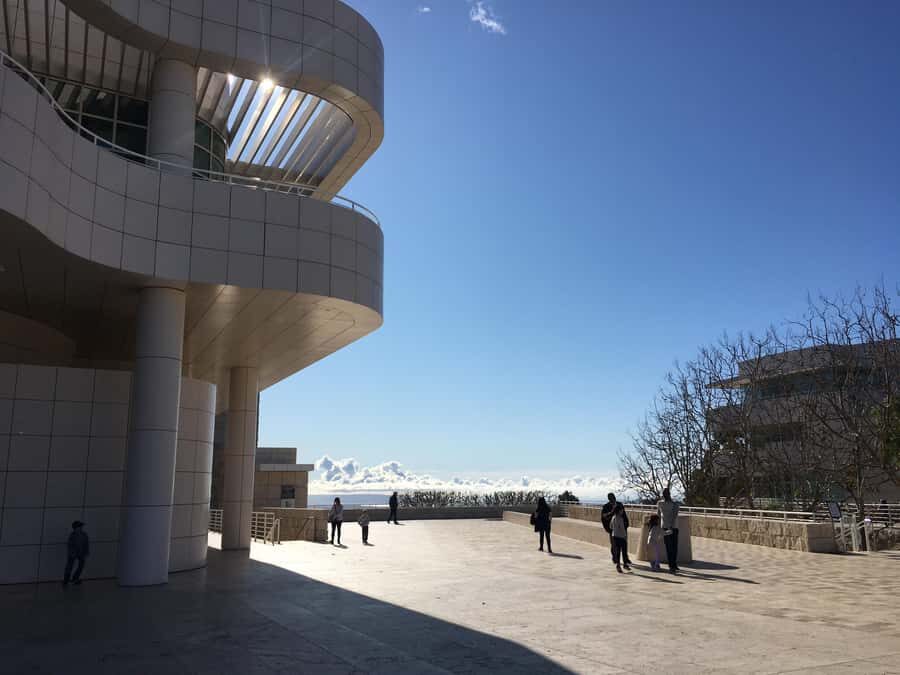
- Richard Meier’s travertine architecture: why the geometry and materials matter when you’re standing in it
- Tram-to-top arrival flow: how to get your bearings quickly at the tree-shaded arrival plaza
- A real look at LA from high above: the route timing that lands you at the best view without wasting time
- Select masterpieces, placed in context: why the tour frames the collection’s collector ambition and conservation mission
- Outdoor sculpture and noticing details: 20th-century works plus flora and some fauna you can spot if you slow down
- Private group pacing: $165 per group up to 10 keeps the experience manageable and personal
Richard Meier’s Getty: why the building is the main event
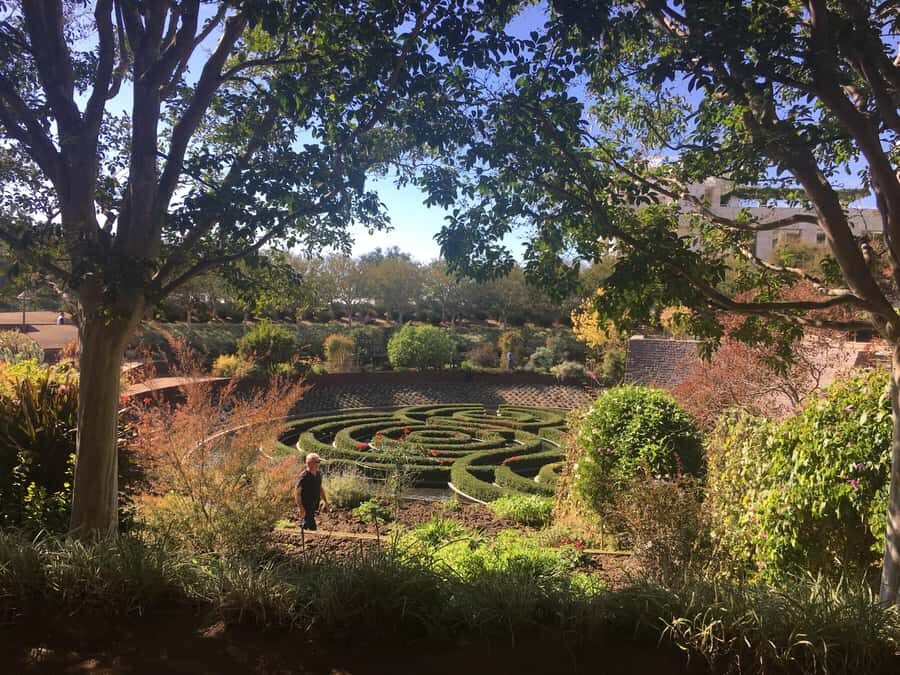
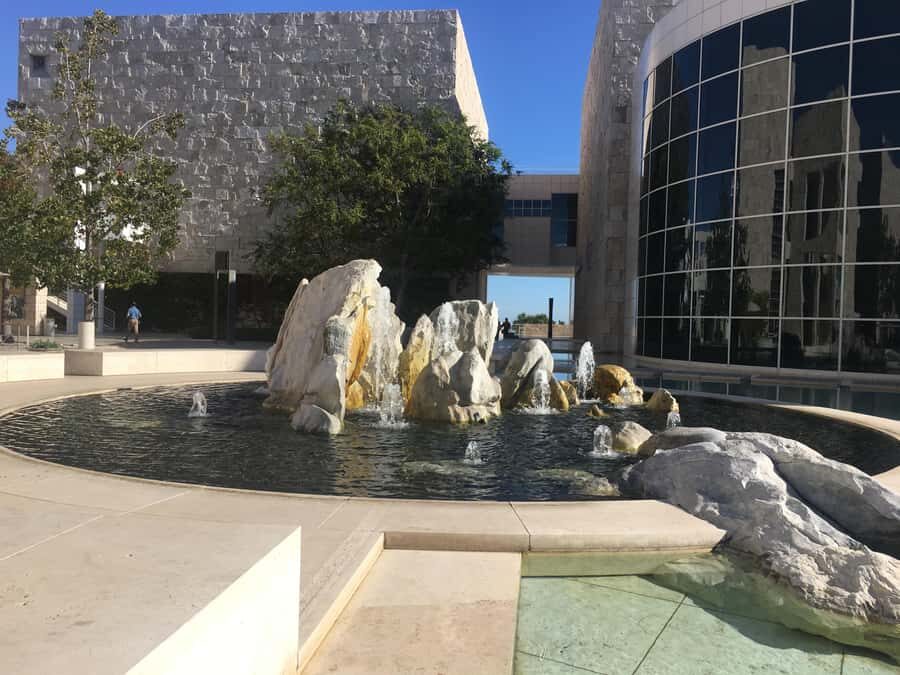
The Getty Center is famous for art. But the architecture is what makes you understand why it works. The museum complex took over a decade and about $1 billion to build, which explains the level of planning you see everywhere.
Standing inside this place, you get the sense that Richard Meier designed with two ideas in mind: urbanity and nature. The buildings feel crisp and controlled, yet they’re set into wide-open outdoor space where light and air do a lot of the talking.
A huge part of that effect is the travertine. The complex uses over a million square feet of it, and you’ll notice the color and texture shift as you move between buildings and views. That’s not just design trivia. It changes how you read the museum—like you’re walking through a sculpture that also functions as shelter and gallery.
You can also read our reviews of more tours and experiences in Los Angeles.



Getting there smart: tram exit meeting point and quick setup
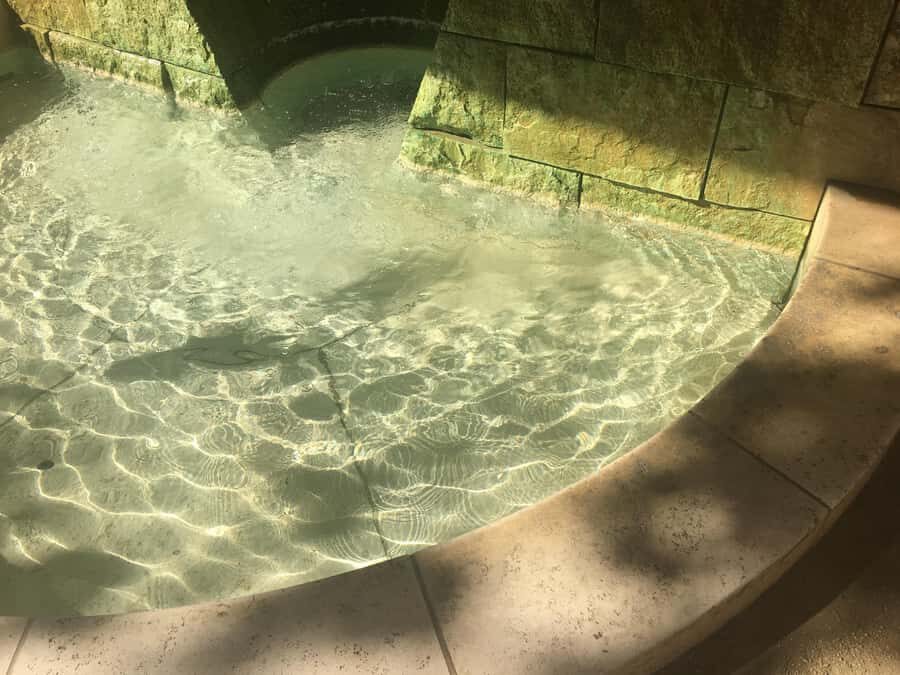
You start at the top of the hill, but you don’t start by climbing. You take a short tram ride up, then meet on the platform right after you exit.
That meeting-point detail matters more than it sounds. If you arrive at the wrong level or wait in the wrong spot, you can lose time before the tour even begins. So when you get off the tram, look for the meeting platform area and stay close to the group space.
This is also where I’d suggest you do a quick practical check before you begin walking. The tour involves getting around the grounds and moving between indoor and outdoor areas, so wear comfortable shoes and plan for sun exposure. The basics are provided in the tour guidance for a reason: bring sunglasses and sunscreen.
Also note: entrance to the Getty Center is free of charge. The tour price covers the guide and experience, not the museum entry itself.
Arrival plaza to panoramic view: where the orientation clicks

The tour begins at the arrival plaza, a tree-shaded space on the hilltop. This is your orientation hub. You’re not rushed straight into paintings. Instead, you get a sense of layout first—what building sits where, how the terraces connect, and which sightlines matter.
From there, the guide points out the architecture and how multiple buildings and art institutes fit into one planned site. You’ll also get geographical context—helpful in a place like Los Angeles, where it’s easy to feel disoriented if you only see fragments of the view.
Then comes the part many people come for: the spectacular panoramic view. The trick is that you’re not just taking a selfie and leaving. The tour’s order helps you look at what you’re seeing with purpose, not randomness. You’ll understand what you’re looking at and why the museum’s placement is such a big part of the experience.
If you’re the kind of person who normally hates wasting time on viewpoints, this route is different. You’re using the view as a way to learn the site and the surroundings before you spend more time inside.
Inside the museum: select highlights plus the collector’s story
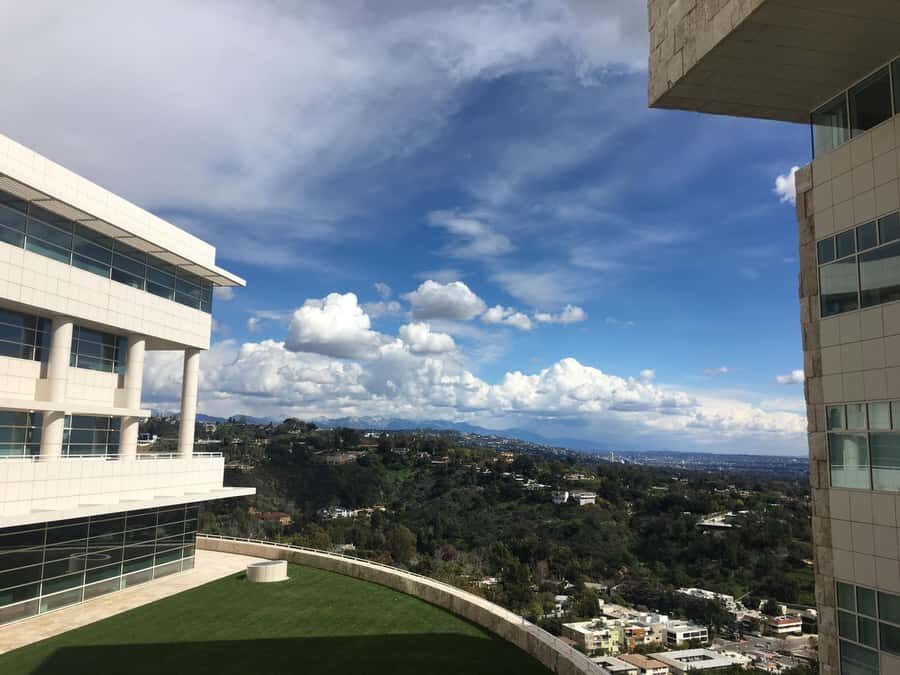
After the architecture and view work, you move into the J. Paul Getty Museum. This is where the tour shifts gears from design to art.
The collection spans a wide stretch of time—works from the 8th through the 21st century—but the tour doesn’t try to cover everything. Instead, you get a focused set of highlights, aimed at giving you an overview of both the artworks and the larger mission behind them.
The guide frames the visit around J. Paul Getty’s ambitions as a collector. That means you’re not only studying individual paintings or sculpture. You’re also hearing how the Getty Trust thinks about policies, scholarship, and conservation—how it functions as a cultural institution rather than just a warehouse of masterpieces.
The specific highlights you’ll be guided through include major names such as Pontormo, Rembrandt, van Gogh, Monet, and Cézanne. These names aren’t random picks. They’re a quick way to sample big moments in art history while still understanding the museum’s logic for how and why it displays what it displays.
Practical note: indoor galleries can be quiet, but you’ll still be moving. Plan on comfortable pacing and listening. This tour is built for an explained walk-through, not for headphones-and-go at your own tempo.
Outdoor sculpture and the grounds: calm, creative, and watchful
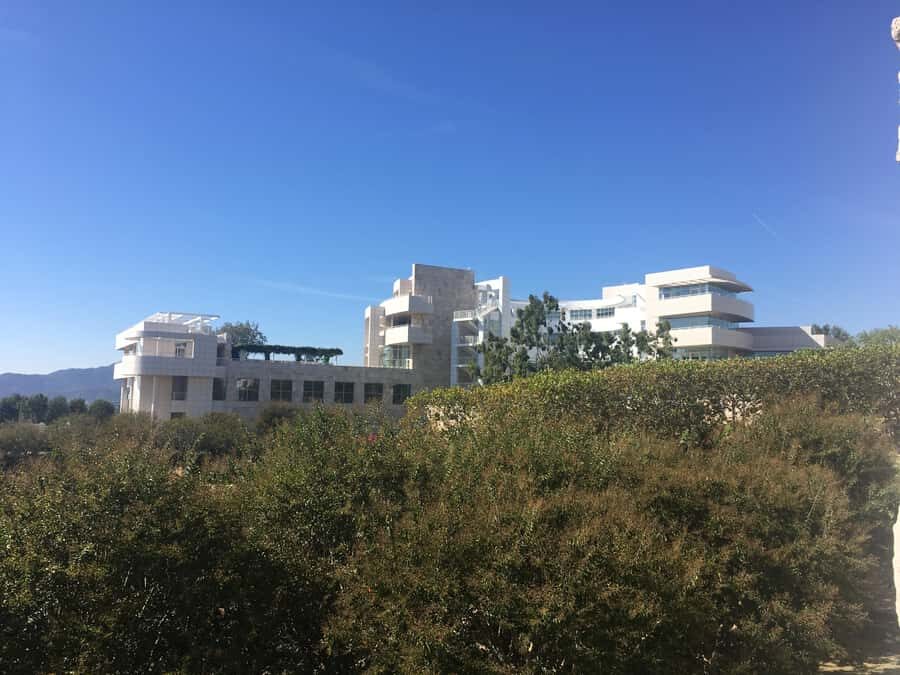
One of the best parts of the Getty Center highlights experience is that it doesn’t stop at the museum doors. Later, you explore the outdoor spaces, where the site becomes a gallery without walls.
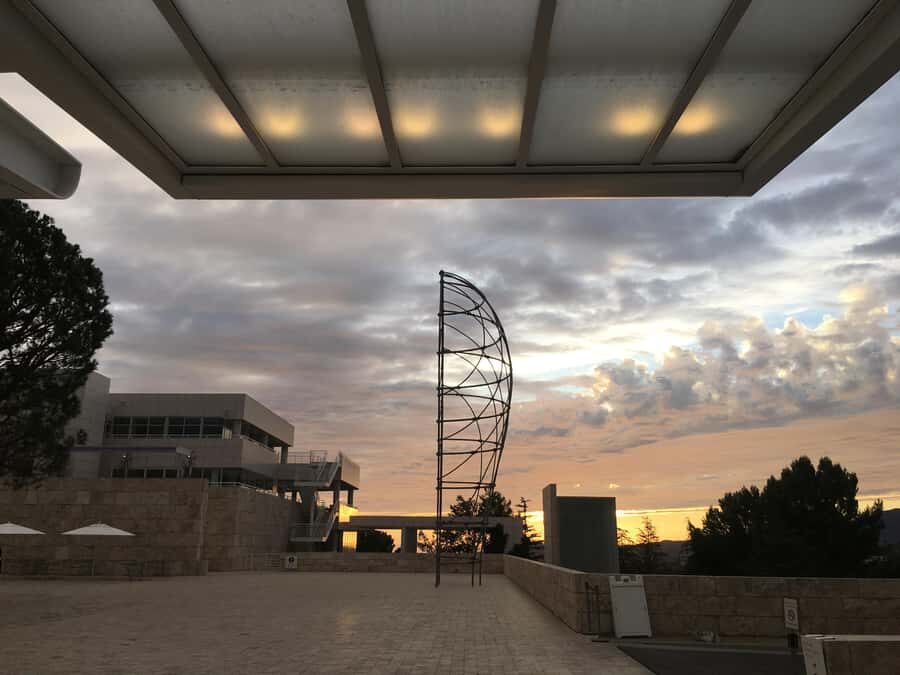
You’ll look at important works of 20th-century sculpture placed across the grounds. Because the objects are outside, you can see them in relation to sky, light, and the clean lines of the architecture. That changes how sculpture lands emotionally. It feels less museum-quiet and more like public art in a carefully designed setting.
Then you shift into the garden side of the tour. You’ll investigate parts of the flora, and the tour also explicitly encourages you to pay attention to fauna and ecosystems. In Southern California, that kind of noticing isn’t hard once someone points you in the right direction.
This outdoor segment is also a nice reset from indoor rooms. If you tend to burn out after too much museum time, the gardens and sculpture give your brain a different kind of input: movement, light, and small details instead of wall text and glass cases.





Price and value: $165 per group can be a bargain, if you plan right

The tour price is $165 per group up to 10, for a duration of about 2 hours. That structure is the big value lever: you’re paying for the guide experience as a group, not per person.
To judge value, you also need to factor in what’s not included. Parking isn’t included, and drinks aren’t included. The entrance ticket to the Getty isn’t included—but here’s the key detail: the Getty Center entrance is free of charge. So you’re mostly paying tour price plus any transportation and food you choose.
Parking is the main likely extra cost. Expect a $25 per vehicle parking fee. If you’re traveling with a car and multiple people, it can still work out well. If you’re going solo and paying for parking anyway, the tour can feel more like a convenience add-on rather than a cheap way to see the museum.
For me, the biggest value is not the art alone. It’s the combination of architecture, view orientation, curated highlights, and garden time in a short, guided package. Two hours is long enough to learn the site and hit key works, but short enough to avoid the fatigue that comes with an unstructured day.
Who should book this Getty Center highlights tour
This tour fits best if you:
- Want a guided, explained experience rather than a self-guided sprint
- Like architecture and art history as linked topics
- Appreciate museums that show you mission and context, not just objects
- Are comfortable with walking outdoors and switching between indoor and outdoor spaces
It’s described as a private group experience and runs with a live guide in German or English. It’s also marked as wheelchair accessible, so you can consider it if you need step-free routing.
What it’s not ideal for: families with younger kids. It isn’t suitable for children under 16, so if you’re traveling with younger children, you’ll need a different plan.
The guiding style: academic clarity, story-led walks
The tour is led by Frances Livings, and the teaching style is built on strong art history training. The guide is bilingual, with a British upbringing and German education, and holds a Ph.D. in art history. That background shows in how the tour talks about materials, institutions, and conservation without turning into a lecture you can’t follow.
I like the balance here: scholarly insight paired with an engaging narrative style. You get concrete explanations about why the Getty Center was built the way it was, why the grounds work as part of the museum experience, and how the collecting mission connects to what you see on the walls.
One practical takeaway: if you care about meaning, not just facts, you’ll probably enjoy this format. The tour is designed for seasoned travelers and art lovers who want educated guidance that still feels approachable.
Should you book this Getty Center highlights tour?
I’d book it if you want a fast, high-impact introduction to the Getty Center that covers architecture, top art highlights, and outdoor sculpture in about two hours. It’s a good fit for couples, small friend groups, and anyone who likes their museum visits organized and explained.
Skip it if you want a long personal museum day where you can wander slowly for hours without a structured route. In that case, you may prefer independent exploring with extra time to linger.
If you do book: plan for sun and bring the basics (shoes, sunglasses, sunscreen). Also, keep an eye on the tram-exit meeting area at the top of the hill. This tour’s quality depends on getting started smoothly and staying together.
FAQ
Where do we meet for the tour?
You meet at the meeting platform at the top of the hill when you exit the tram.
How long is the Getty Center highlights tour?
The tour runs for about 2 hours.
What languages are offered?
The live tour guide is available in German and English.
Is the Getty Center entrance ticket included?
No. The entrance ticket isn’t included in the tour price, but the Getty Center entrance is free of charge.
Do I need to pay for parking?
Parking isn’t included. Parking costs $25 per vehicle.
Is there a charge for drinks?
Drinks aren’t included.
Is this tour wheelchair accessible?
Yes, the tour is wheelchair accessible.
Is it suitable for children?
No. It isn’t suitable for children under 16.