REVIEW · LOS ANGELES
Los Angeles: Arts District Street Art, Graffiti Walking Tour
Book on GetYourGuide →Operated by LA Art Tours · Bookable on GetYourGuide
Street art in LA is easiest to understand when you walk it with someone who actually makes it. This 2-hour Arts District tour gets you seeing the neighborhood as an open-air canvas, with 100+ works and a guide from the local scene. I love that you’re led by a real artist longtime member of the Arts District community, and I also love the mix of tiny tags through building-sized murals. One heads-up: the tour experience can depend a lot on the guide’s style, and timing can be imperfect on some days.
You’ll cover major mural zones and quieter side streets, with stops like ArtShare, The Container Yard, and the American Hotel. Along the way, you’ll hear how letters, colors, and placement connect to local culture and to the artists who shaped the area. If you’re expecting only big, classic graffiti photos at every turn, you may find more variety in the kinds of pieces you see than you hoped for.
In This Review
- Key points before you go
- Finding your guide at Colyton and Palmetto
- How the 2-hour walk is built to teach you
- ArtShare and The Container Yard: why these anchors matter
- Reading walls: from building-sized murals to small marks
- Meet the artists behind the art
- The American Hotel, Joel Bloom’s spot, and Al’s Bar site
- You’ll leave with more than photos
- Sunday add-on: spray can and stencil workshop for your own style
- Price and value: what $20 gets you in LA street art
- Who this tour fits best
- Photo and comfort tips that make the tour easier
- Should you book this Arts District street art tour?
- FAQ
- Where does the tour start?
- How long is the Arts District street art tour?
- How much does it cost?
- What will we see during the tour?
- Does the tour include stops beyond street murals?
- Who guides the tour?
- Is the tour wheelchair accessible?
- What should I bring?
- Is there a Sunday workshop add-on?
- Are meals or transportation included?
Key points before you go
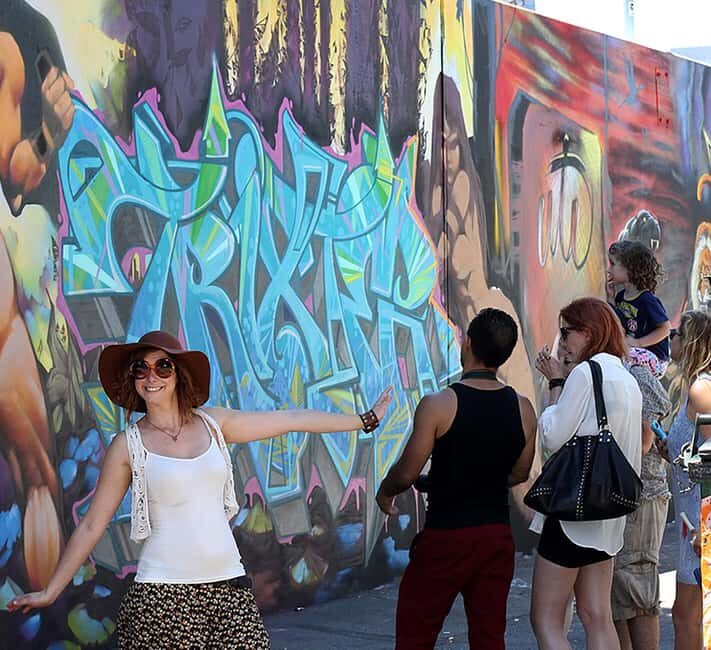
- Meet real street artists at the corner of Colyton and Palmetto on the green benches, then start walking immediately.
- See over 100 separate works in just two hours, from building-scale murals to small tags and yarn-style work.
- Expect technique talk, not just names: you’ll learn how street artists think about style and execution.
- Hit iconic anchor spots like ArtShare, The Container Yard, Arts District Co-op, and the American Hotel.
- Learn how the community works through stories about collaborators, friends, and rivals.
- Sunday has an optional hands-on add-on for spray can and stencil painting, including stenciling and painting on clothing.
Finding your guide at Colyton and Palmetto
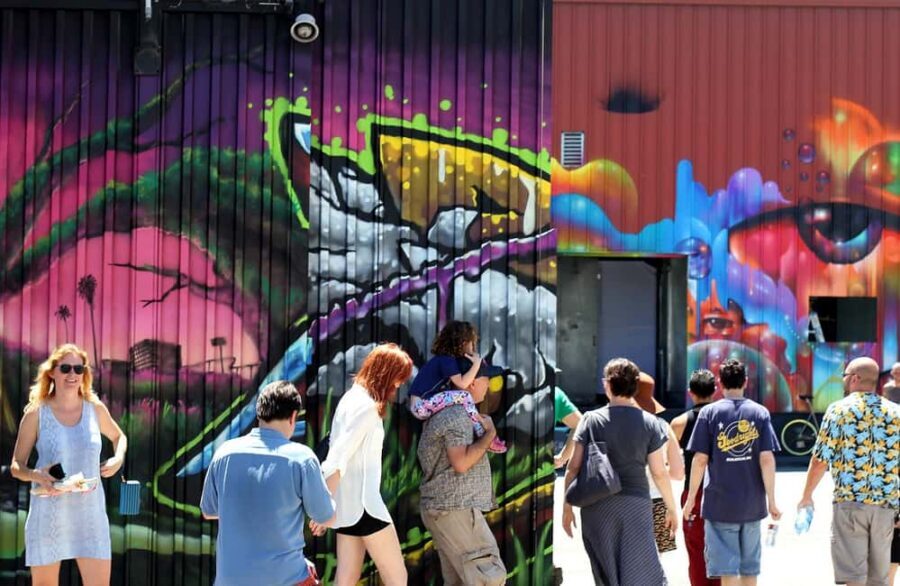
Your tour starts at 527 Colyton St, but the actual meetup is simpler than that: stand at the green benches on the corner of Colyton and Palmetto. That corner matters because the area has a lot of walls and lots of foot traffic, and you’ll want to be in the right place before the group moves out.
Wear shoes you don’t mind scuffing. You’ll be on sidewalks and along streets where the best art is often just a little off the main line. Bring a camera, plus water and sunscreen, because Downtown LA sun can add up fast even when you feel like you’re moving at a good pace.
One more practical note: the info says not to bother tenants at the building where you meet. It’s a small courtesy that also keeps the start smooth, especially if you arrive a few minutes early.
You can also read our reviews of more walking tours in Los Angeles


How the 2-hour walk is built to teach you

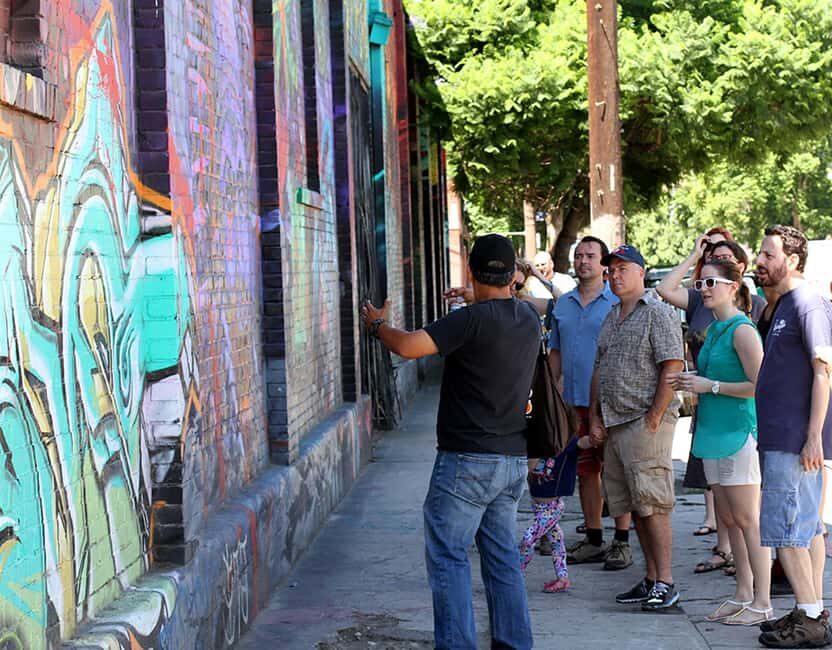
This is a walking tour designed for 2 hours, so you’ll get plenty of stops without the day disappearing. The format usually works like this: you look at a cluster of art, your artist-guide frames what you’re seeing, then you move on to the next wall with a better lens.
What makes it work is that you’re not only collecting images. You’re learning why the art looks the way it does—technique, placement, and the history of the neighborhood’s creative culture. That matters because street art can feel like random decoration if you don’t know the “rules” artists are playing with, even when they’re breaking them.
Also, the guides are local street artists. That means you’ll hear the story straight from someone who lives in and contributes to the scene, including how crews collaborate and how rivalries shape the work. It turns the walk into more than sightseeing.
ArtShare and The Container Yard: why these anchors matter
You’ll visit iconic hubs such as ArtShare and The Container Yard, plus other well-known Arts District sites like Arts District Co-op. Even if you’ve seen photos online, these stops are valuable because they give the tour a sense of place, not just a route.
A good tour guide doesn’t treat murals like museum pieces. They explain what makes these spots important—who uses them, how they fit into the community, and why artists keep returning to certain walls and corners. On this walk, those explanations are the connective tissue between the art you see and the LA creative ecosystem behind it.
You’ll also get a sense for the rhythm of the district: art isn’t only on a few postcard walls. It’s integrated into the neighborhood’s day-to-day texture, and your guide helps you notice the differences between loud, public work and quieter pieces you might otherwise miss.
Reading walls: from building-sized murals to small marks
One of the biggest strengths of this tour is the range of artwork types you’ll encounter. The tour is built around seeing over 100 individual works, including building-sized murals, larger statement pieces, and smaller details like tags. You may also see examples of styles described in the tour materials such as yarn-style installations and stencil work.
Here’s why that range is worth your time: street art literacy isn’t just about spotting famous murals. It’s about understanding how artists build meaning through scale, repetition, and style choices. Tiny marks can be part of a larger conversation. A bigger mural can be a milestone. The guide’s job is to help you connect the dots.
A quick reality check from the tour’s variety: if your main goal is classic, large, spray-paint-heavy graffiti visuals every step, you might find that the walk includes more letterwork, tags, and smaller pieces than you expected. That doesn’t mean you’ll see less quality. It just means you’ll be asked to look more carefully, and to read street art in multiple sizes.
Meet the artists behind the art
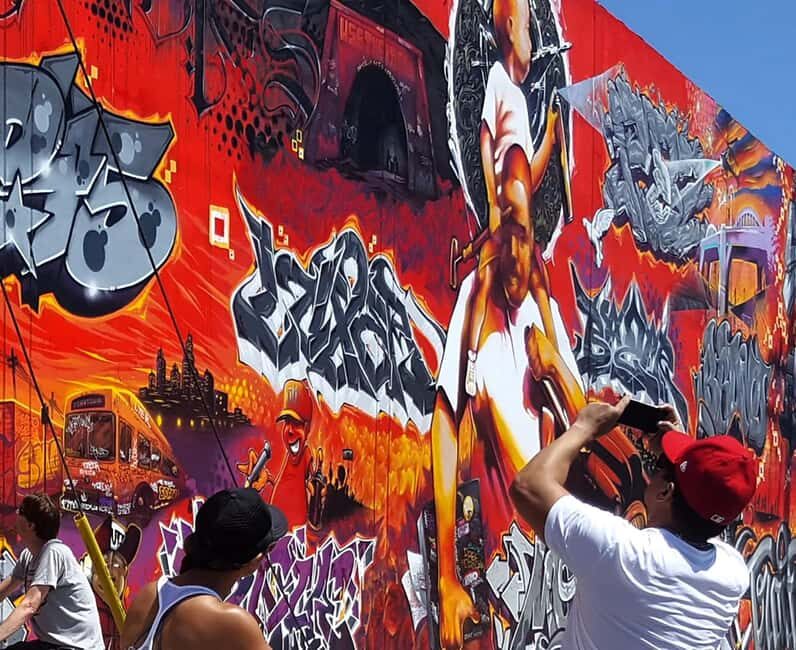
The tour leans hard on being led by an artist-guide who’s a longtime member of the Arts District community. That’s a key difference from a standard sightseeing walk, because you’ll hear explanations that come from practice, not just research.
Your guide will talk about urban art history and technique as you view the works—local masters and artists with international recognition are part of the mix. You’ll also hear stories about how artists collaborate or compete, and how crews influence what gets made and where it gets seen.
Some guides are better at balancing art discussion with general conversation than others. For example, one guide experience described a late start and a tendency to talk mostly about himself. It’s a reminder that you should pick the right tour mindset: you’re coming for the art first, and the best moments happen when the group stays focused on the walls.



The American Hotel, Joel Bloom’s spot, and Al’s Bar site
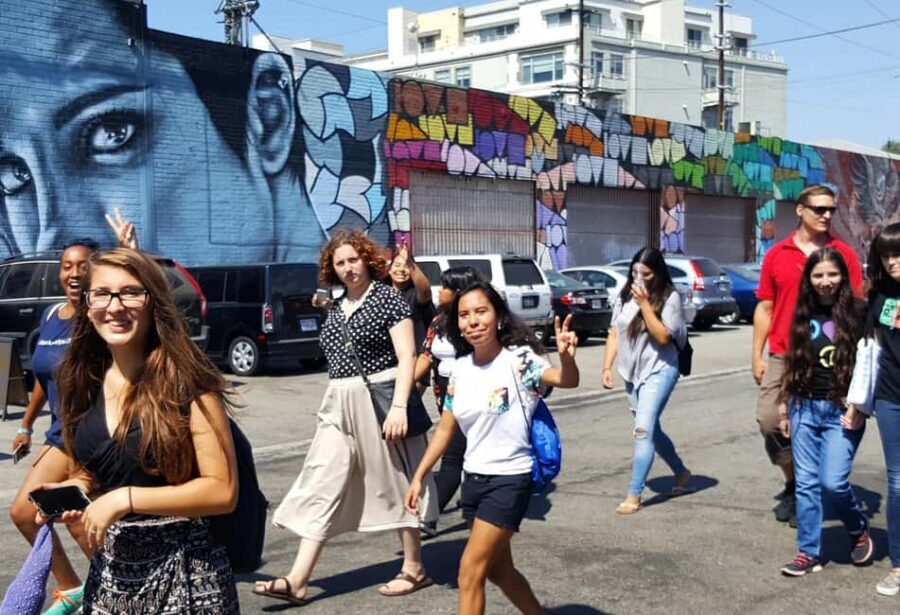
The itinerary includes stops that feel like landmarks to street art people, not just to architecture fans. You’ll visit the American Hotel, Joel Bloom’s spot, and the former site of Al’s Bar.
These kinds of stops are useful because they show how street art sits in LA’s changing physical story. A former site, for instance, gives you a chance to hear how the scene remembers what was there, even when the building footprint changes. It’s also where your guide’s historical context becomes practical—suddenly the murals don’t feel random. They feel like a timeline.
On a walking tour, these points work as mental checkpoints. You’ll realize you’re not just collecting photos. You’re tracing how the district’s identity formed, and how artists kept responding to what was happening around them.
You’ll leave with more than photos
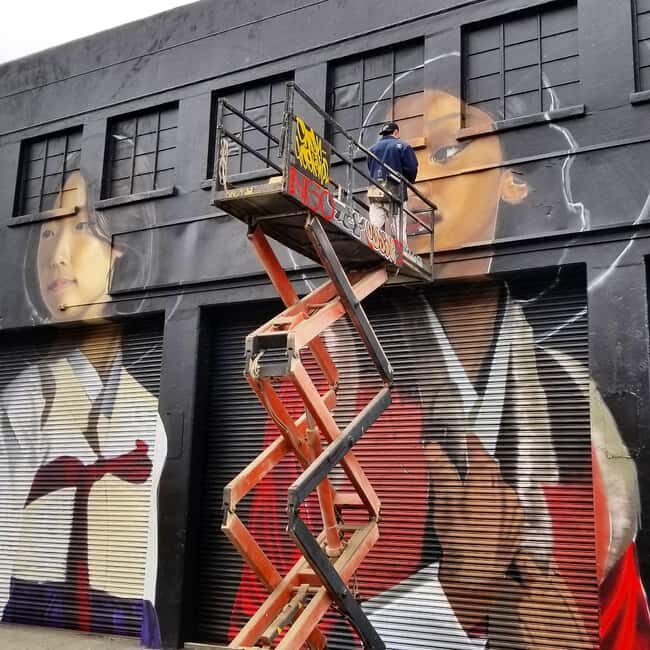
You’ll probably end the tour with a camera full of images, but the goal is to leave with a better way to look. When a working street artist points out technique—how letters are built, how color or layout communicates style, how artists think about visibility—you start noticing things you would normally skip.
And because the tour covers both major mural walls and smaller pieces you’d likely overlook, you get practice in street art reading. That turns your future walks into something more rewarding. You stop treating street art like background noise.
One more plus: the tour calls out that you’ll start and finish back at the meetup point on Colyton. That keeps the day tidy and helps you plan dinner or a quick drink nearby afterward.
Sunday add-on: spray can and stencil workshop for your own style
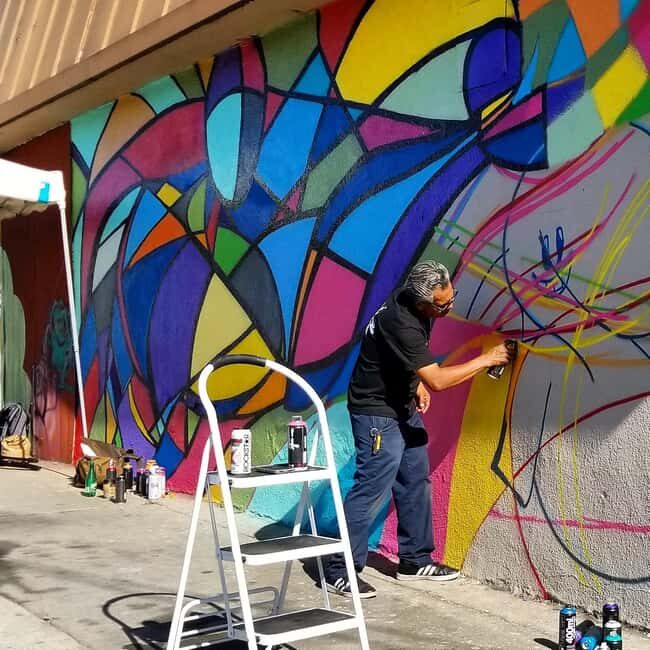
If you’re doing this on a Sunday, there’s an optional workshop add-on for spray can and stencil painting. This is hands-on, which is a different kind of value than just looking.
The workshop includes stencil cutting and spray can painting instruction, with materials provided. You can also bring clothing items such as a t-shirt, sweatshirt, pants, or a hat that you want to transform into your own graff fashion. It’s a fun way to understand how stencil shapes and spray techniques translate into something you can actually wear.
If you’re the type who learns best by doing, this add-on can make the whole tour feel more meaningful. You’ll see the walls differently because you’ve tried the process, even briefly.
Price and value: what $20 gets you in LA street art
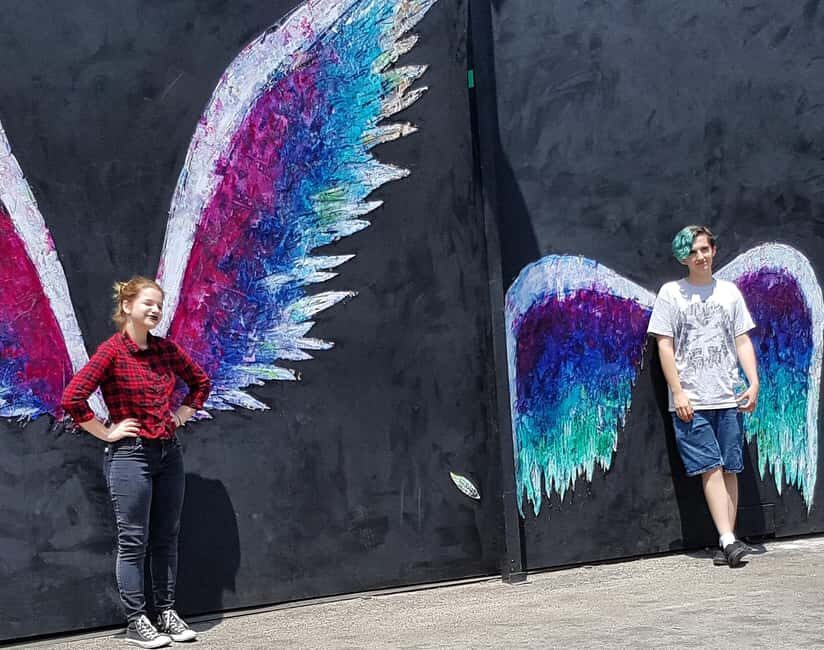
At $20 per person for a 2-hour guided walk, the value comes from three things: time, access, and interpretation. You’re paying for a local artist-guide, not just directions. That guide role is what turns scattered murals into a coherent story you can follow.
The tour also stacks the visuals efficiently. Seeing 100+ individual works in a short window means you’re maximizing your time in the Arts District without needing to map out every stop yourself. And because street art changes over time, having someone point out what you’re looking at today can be more helpful than chasing a list of famous murals.
One cost to plan for: meals and drinks aren’t included, and you need to get yourself to the starting point. That’s normal for a neighborhood walk, but it’s worth thinking about so you can avoid getting hungry mid-tour.
Who this tour fits best
This tour is a great match if you:
- Love city art and want the community context, not just pretty walls
- Enjoy walking with a plan and learning as you go
- Want to see the Arts District in a concentrated 2-hour window
- Prefer an artist-guide perspective over a purely historical lecture
It may be less satisfying if you want:
- Only large, high-visibility graffiti scenes at every stop
- A low-walk, sit-down experience (this is built to move)
- A tour focused on museums, indoor exhibits, or architecture
The good news is that the tour is listed as wheelchair accessible, so the experience isn’t limited to one mobility type. Still, you’ll want to consider comfort and endurance for a full 2-hour walk.
Photo and comfort tips that make the tour easier
Even with a great guide, your results depend on how you show up. Bring a camera if you want to capture details, especially the smaller tags and stencil-like elements. Comfortable shoes matter because the best art isn’t always on the flattest, easiest path.
Also, plan for sun and heat. Sunscreen and water are specifically recommended, and I agree with that. If you take photos for a while at each stop, it’s easy to forget that LA sun is doing real work.
Should you book this Arts District street art tour?
If you want to see the Arts District with eyes that are trained to notice, this tour is a strong bet. The combination of artist-guide storytelling plus a fast-hit route that covers 100+ works makes it a good use of a half-day in Downtown LA.
Book it if you’ll enjoy learning the meaning behind tags, murals, stencils, and the spaces where street art communities gather. Skip it only if your expectations are narrow and you want one style of graffiti in large, constant bursts.
If you’re going on a Sunday and you have even a small interest in trying spray and stencils, the add-on is the kind of extra that can turn this from a photo stop into a skill you actually leave with.
FAQ
Where does the tour start?
The tour meets at the green benches on the corner of Colyton and Palmetto. The address 527 Colyton St is for mapping purposes.
How long is the Arts District street art tour?
It lasts 2 hours.
How much does it cost?
The price is $20 per person.
What will we see during the tour?
You’ll see murals, street art, and graffiti across the Arts District, with visits to iconic spots like ArtShare and The Container Yard, plus more.
Does the tour include stops beyond street murals?
Yes. The tour includes visits to locations such as ArtShare, The Container Yard, Arts District Co-op, the American Hotel, Joel Bloom’s spot, and the former site of Al’s Bar.
Who guides the tour?
A local street artist guide leads the walk. The guides are described as real artists and longtime members of the Arts District community.
Is the tour wheelchair accessible?
Yes, it is listed as wheelchair accessible.
What should I bring?
You should bring comfortable shoes, a camera, sunscreen, and water.
Is there a Sunday workshop add-on?
Yes. On Sundays there is an optional Spray Can and Stencil Painting Workshop with stencil cutting and spray can painting, and materials are provided. You can also bring clothing items to decorate.
Are meals or transportation included?
No. Meals and drinks, and transportation to and from the starting point are not included.