REVIEW · LOS ANGELES
Los Angeles: Heal The Bay Aquarium in Santa Monica
Book on GetYourGuide →Operated by Heal the Bay Aquarium · Bookable on GetYourGuide
Small aquarium, big hands-on learning. I love the touch tanks where you can feel marine life, and I also like the education programs that connect the animals to real ocean conservation. The one catch is the venue is compact, so you may wrap up faster than you hoped.
At just $10 per person (with kids 12 and under free with an adult), it’s a low-stakes way to try an LA aquarium without committing to a full half-day. You can also pair it with a quick Santa Monica ocean walk, since the Pacific is right there.
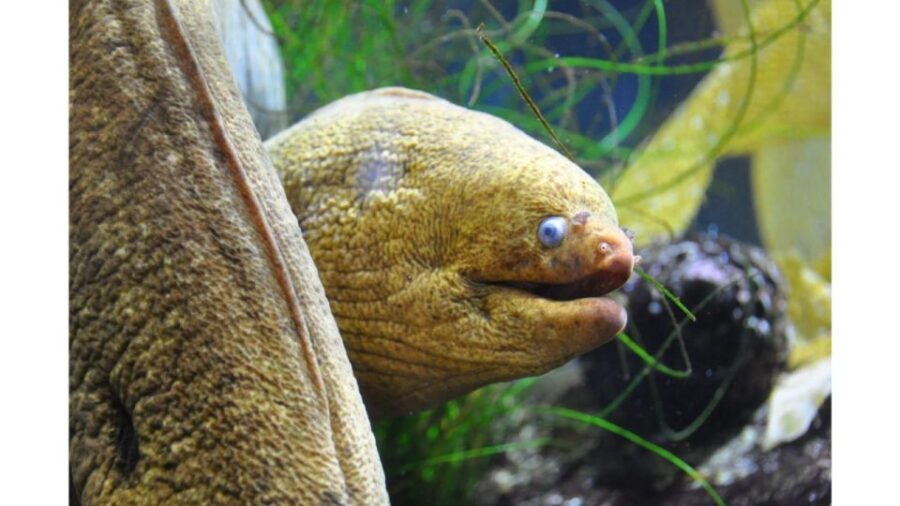
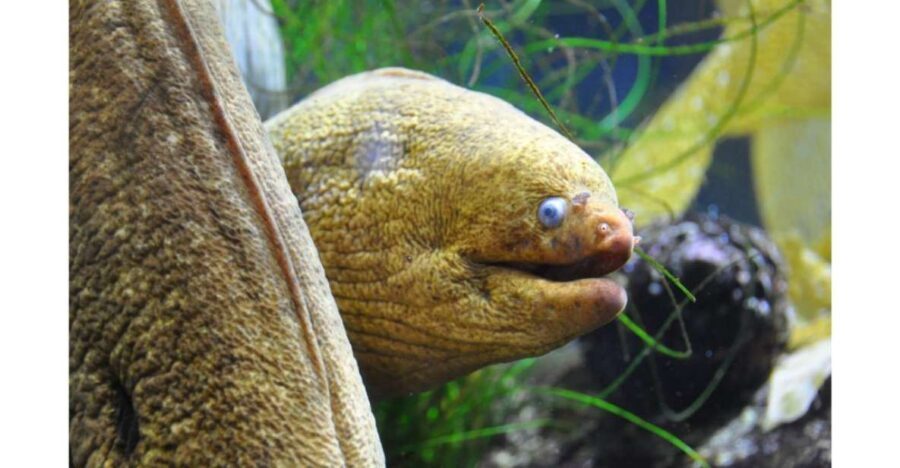
If you catch an activity moment, it can be extra fun; one reviewer specifically mentioned seeing the eels get fed. Just note that some displays can feel limited in number and lighting compared with bigger aquarium complexes.
In This Review
- Key things to know before you go
- Heal The Bay Aquarium in Santa Monica: a simple LA plan that works
- What you actually do there: touch tanks, feeding moments, and getting close
- Pacific Ocean life on display: kelp forests and why the theme matters
- Interactive exhibits and lighting reality checks
- Staff education and conservation messaging: how to get more out of your visit
- Pacific Ocean views: turn the aquarium into a real Santa Monica break
- Price and value: is $10 worth it?
- How long should you plan for?
- Who this aquarium is best for (and who should think twice)
- Should you book Heal The Bay Aquarium in Santa Monica?
- FAQ
- How much does Heal The Bay Aquarium cost?
- How long is the experience?
- Are children allowed, and do they pay?
- What’s the best part of the aquarium?
- Do I need to bring food and drinks?
- Is transportation included?
- What language is the host or greeter?
- Can I cancel if my plans change?
Key things to know before you go
- Touch tanks with real contact: Expect hands-on learning with cool, slippery sea creatures.
- Pacific-focused exhibits: The theme stays anchored to Pacific Ocean ecosystems and species.
- Conservation education: You’re not just looking at tanks; you’re learning why protection matters.
- A small footprint: Plan your time with the possibility you’ll finish quickly.
- Great for families on a budget: Kids can attend free (with an adult), making it a smart value stop.
- Staff-led energy: Guides are described as lovely and informative, with a friendly vibe.
Heal The Bay Aquarium in Santa Monica: a simple LA plan that works

Heal The Bay Aquarium is the kind of stop that fits neatly into an ordinary day. You can treat it as a quick reset from city noise: walk in, spend time with the animals and touch tanks, then head back outside for Santa Monica’s ocean air.
The vibe is also easy to understand from the start. This isn’t a mega-attraction that tries to fill your day with dozens of separate zones. It’s an aquarium built around one strong idea: hands-on learning plus conservation education. That makes it feel approachable, especially if you’re visiting with kids or you just want something practical and meaningful.
At $10, it’s not priced like a giant theme-style aquarium. That matters because aquarium visits can get expensive fast once you add snacks, transit, and parking. Here, you’re mostly paying for admission only, and you can decide how long you want to stay.
You can also read our reviews of more tours and experiences in Los Angeles.



What you actually do there: touch tanks, feeding moments, and getting close
The biggest reason to choose Heal The Bay Aquarium is what you’re allowed to do. The highlights aren’t about standing far away behind thick glass. They’re about getting up close through hands-on touch tanks.
In plain terms, you can expect to feel marine life. The experience is designed to bridge your curiosity with the real animals, so the interaction isn’t random. The touch tanks are meant to teach you what these creatures are like and why they belong in healthy ocean ecosystems.
There’s also a chance you’ll catch live animal moments. One review mentioned seeing the eels get fed, and that’s exactly the kind of short, memorable highlight that makes a smaller aquarium feel more alive. You can’t count on any specific feeding time from the info given, but it’s reasonable to assume staff activities may happen during your visit.
A practical tip: keep your expectations flexible. If you arrive during calmer periods, the touch tanks may be your main focus. If there’s a feeding or staff explanation happening, let it steer you for a few minutes. That’s where the experience tends to become more than just a walk-through.
Pacific Ocean life on display: kelp forests and why the theme matters
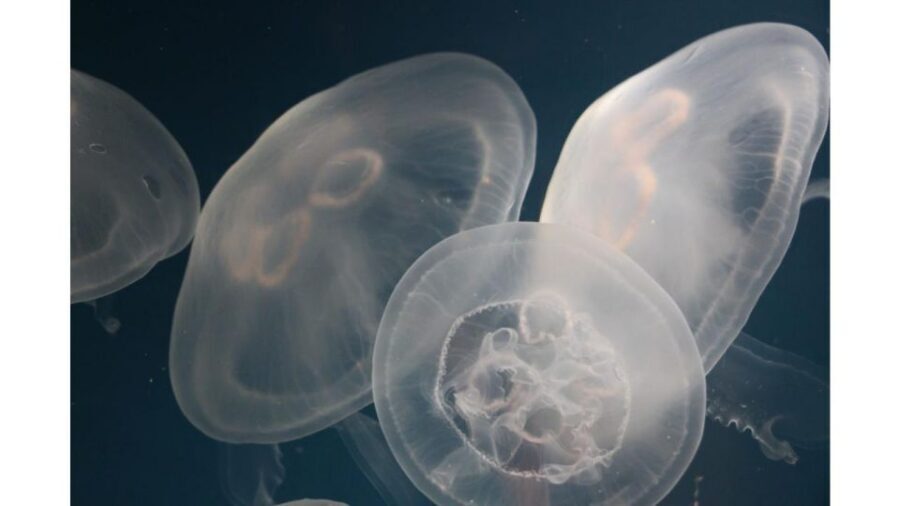
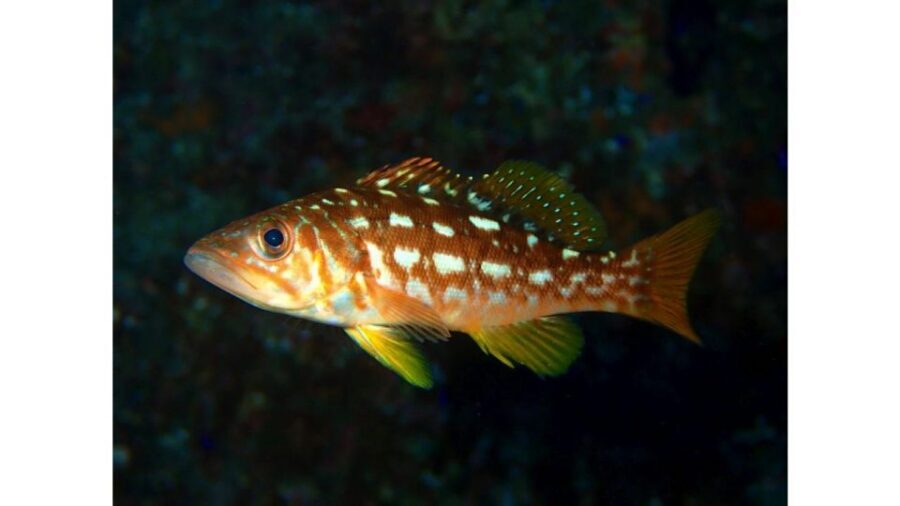
The aquarium’s exhibits are aimed at Pacific Ocean marine life, with displays meant to show different ecosystems and how sea creatures relate to their environment. The information you’ll encounter points toward recognizable Pacific habitats, including kelp forests.
Why this matters: when an aquarium is focused, you can connect the animals to a real region instead of treating every tank like a separate world. You’re learning a consistent story about life in the Pacific—what lives there, what it needs, and what changes when the ocean is stressed.
The overall educational tone is built around curiosity. You’ll see animals presented as living parts of a system, not just individual oddities. That’s a major difference between an aquarium that feels like a slideshow and one that teaches you to look with purpose.
If you’re the type who enjoys the science-but-not-too-serious approach, this is the sweet spot. It’s not trying to overwhelm you with technical details, but it also doesn’t feel purely decorative.
Interactive exhibits and lighting reality checks
Interactive exhibits are part of the pitch, and you should expect them to be a core component of your visit. The aquarium’s hands-on approach is the main draw, and the touch tanks give you a direct way to experience the animals.
That said, not every piece of the presentation is going to feel perfectly optimized. One review flagged average presentation quality, with comments about limited number of aquariums and lighting that could be better for seeing fish more clearly. Another reviewer felt it was very small and took only about 15 minutes to look around.
So here’s the honest way to plan: treat this as a short, interactive stop rather than a long aquarium marathon. If you need constant new tanks around every corner, you might find the experience finishes faster than you’d like.
On the positive side, staff-led guidance can fill those gaps. Even if the number of displays is limited, a good explanation helps the tanks feel fuller because you’re learning how to “read” what you’re seeing.
Staff education and conservation messaging: how to get more out of your visit
A visit to Heal The Bay Aquarium is built to do two jobs at once: teach you what’s in the ocean and nudge you toward ocean care. The aquarium doesn’t only focus on display tanks. It also highlights the idea of environmental stewardship through education and a conservation mindset.
That shows up in the way the experience is described: programs are meant to inspire conservation awareness, and the aquarium’s broader commitment includes research, conservation, and advocacy. In other words, the place is trying to connect your moment of curiosity to a bigger picture—what protects marine life, and what changes when people take action.
What you can do to make the most of it:
- Slow down during any staff explanations.
- Ask yourself what each animal implies about the ocean health theme.
- If you see stories about solutions or success, treat them as prompts. They’re there to help you reflect on your role, not just to inform.
You’ll likely leave with a stronger sense that ocean conservation isn’t a distant concept. It’s practical, local, and connected to everyday choices. That’s the value you’re paying for beyond the touch tanks.






Pacific Ocean views: turn the aquarium into a real Santa Monica break
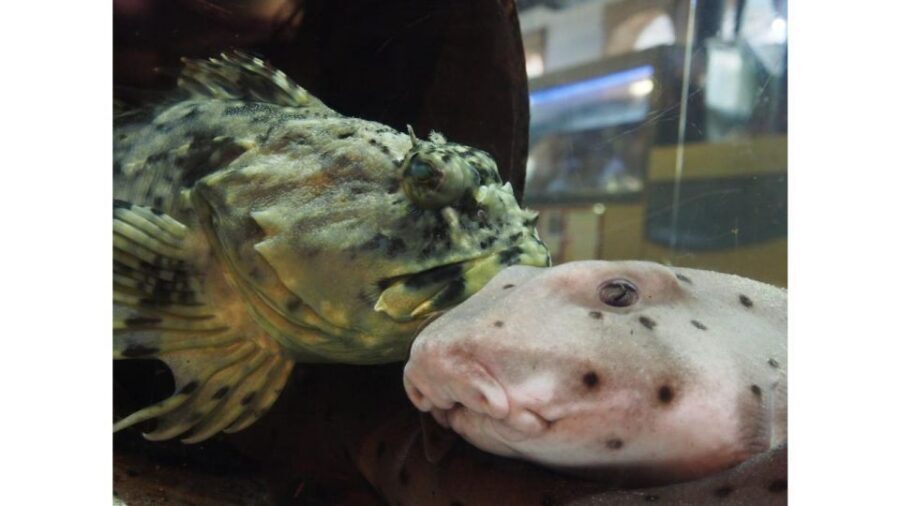
Heal The Bay Aquarium is in Santa Monica, and the highlights explicitly point you toward the Pacific Ocean experience. Even if the aquarium itself is the main event, you’re in a location where a quick ocean walk makes sense.
This is a simple pairing that keeps the day feeling complete. You get hands-on learning indoors, then you step outside for open-air ocean views. For many people, that contrast makes the conservation message hit harder: you see the ocean right after learning about the life in it.
If you’re planning a broader day in Los Angeles, this can also work well as an “anchor” activity. Spend your energy on the interactive learning, then keep the rest of the day flexible.
Price and value: is $10 worth it?
Let’s talk value honestly, because reviews point to a mixed outcome depending on expectations.
Admission is $10 per person, and kids 12 and under are free with an adult. That’s a low barrier. If your goal is a short, interactive marine-life experience with education built in, the price looks fair.
Where value can wobble:
- The aquarium is described as very small.
- Some people say they were done in about 15 minutes.
- There are mentions of limited number of aquariums and lighting that might not make everything pop.
So how do you judge whether you’ll feel like you got your money’s worth? Start with time expectations. If you’re looking for a long, all-day aquarium crawl, you may feel underfed. If you’re hoping for touch tanks, staff education, and a meaningful conservation angle, you’ll likely feel the price matches what you came for.
Also remember this is admission only. Food and drinks aren’t included, so if you’re there with kids, plan on your usual snack-and-water routine. If you do that, you’ll keep the cost predictable.
How long should you plan for?
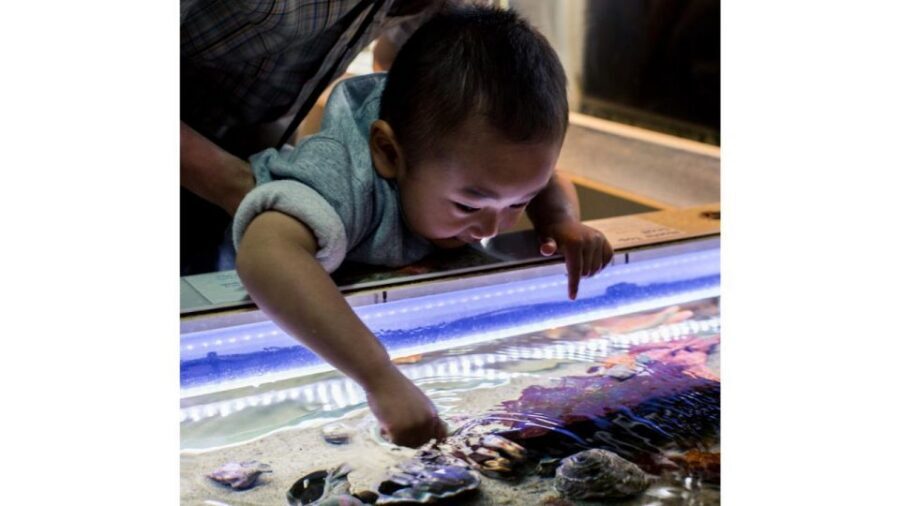
The activity is listed as 1 day, but that doesn’t mean you need to spend all day inside. Since the venue is small, I’d plan it like a short outing.
For many visitors, the sweet spot is about 30 to 60 minutes: enough time to see the exhibits, do the touch tanks, and catch any staff explanations or feeding moments if they’re happening. If you move fast, you might finish sooner. If you slow down for education programs, you may take your time.
A smart strategy: arrive ready to learn. If you’re tempted to rush because it’s small, you might miss the part that makes it more than a quick walk-through.
Who this aquarium is best for (and who should think twice)
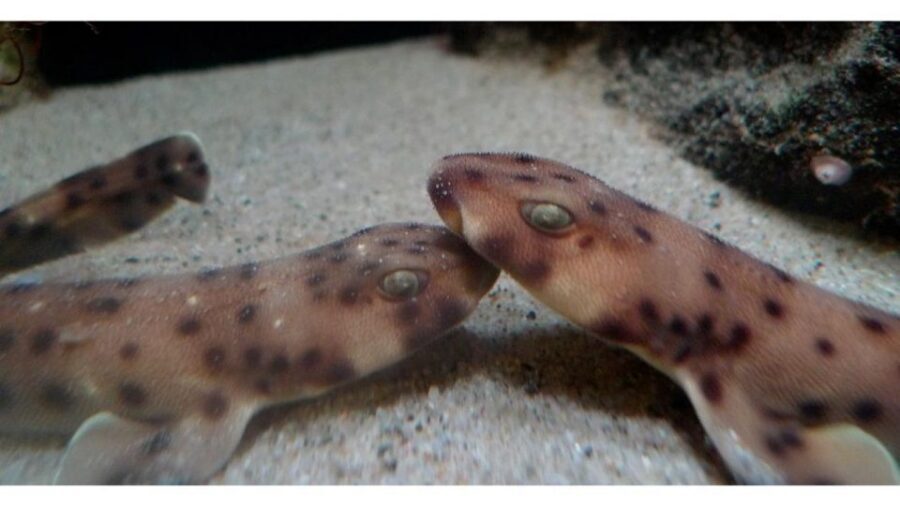
This is a strong fit for:
- Families with kids who enjoy hands-on experiences
- Budget-minded visitors who still want education, not just sightseeing
- People who care about ocean conservation and want a simple way to connect the idea to real animals
- Anyone in Santa Monica looking for a short, meaningful indoor stop
You might want a different kind of aquarium if:
- You need a huge variety of tanks to keep you engaged for hours
- You prefer the kind of lighting and presentation that makes every fish easy to see from a distance
- You’re expecting a large-scale production more than a small conservation-centered venue
The good news is that even with a smaller size, the touch tanks can give a high impact-per-minute experience. That’s the tradeoff: fewer exhibits, more hands-on contact.
Should you book Heal The Bay Aquarium in Santa Monica?
Book it if you want a hands-on, conservation-minded aquarium visit in Santa Monica at a low cost. The touch tanks are the main reason to go, and the educational framing is likely to leave you feeling like the visit meant something.
Skip or adjust expectations if you’re hunting for a long, big-attraction day. This place is small, and not everyone needs the reminder that you might be done quickly. If you’re okay treating it as a compact, interactive stop plus a Pacific stroll, you’ll probably enjoy it a lot.
If you’re uncertain, aim to pair it with something outdoors. That way, even if you finish early inside, your day still feels full.
FAQ
How much does Heal The Bay Aquarium cost?
Admission is $10 per person.
How long is the experience?
It’s listed as a 1-day activity, and you can check availability to see starting times.
Are children allowed, and do they pay?
Children 12 and under are free, but they must be accompanied by an adult.
What’s the best part of the aquarium?
The biggest draw is the hands-on touch tanks where you can touch various marine life.
Do I need to bring food and drinks?
Food and drinks are not included, so you should plan to bring your own or buy it elsewhere.
Is transportation included?
Hotel pickup and drop-off are not included.
What language is the host or greeter?
The host or greeter is English.
Can I cancel if my plans change?
Yes. You can cancel up to 24 hours in advance for a full refund.