REVIEW · LOS ANGELES
Manson Family Murders Funeral Limo Tour in LA
Book on Viator →Operated by Grave Line Tours · Bookable on Viator
A limo ride through LA’s darkest clues. This 3-hour Manson Family Murders funeral-limo style tour in Hollywood connects the case to real, modern-day locations, with guides like Ansley and Blaze adding context instead of turning it into shock value. You’ll also get a phone-friendly way to follow along with visual background materials.
I like the way the guide’s approach is framed around historical context, which helps you understand how a widely misunderstood story took shape in 1960s Hollywood. I also like the practical setup: a small group (up to 8), a classic limo, and an efficient route that lets you see multiple key sites without stressing over driving or parking.
One drawback to weigh: this is still an extreme true-crime topic. If you’re sensitive to disturbing subject matter, this tour may be too much, even though it’s presented with care and respect.
In This Review
- Key things I’d clock before booking
- Why a funeral-style limo works for this kind of LA tour
- Getting there: the 10:00 am Hollywood meetup and how to prep
- Stop 1: the Tate/Polanski cottage site and what the guide should clarify
- Stop 2: the LaBianca house site and why locations matter
- Stop 3: Spahn Movie Ranch in the state park and the Hollywood connection
- Stop 4: the Dennis Wilson connection and summer 1969 context
- How the guide’s style shapes your understanding (Ansley, Blaze, and the small-group edge)
- Price and value: is $93.08 a fair deal for 3 hours?
- Who should book this tour (and who should skip it)
- Should you book the Manson Family Murders Funeral Limo Tour?
- FAQ
- How long is the Manson Family Murders funeral limo tour?
- Where does the tour start and where does it end?
- What time does the tour begin?
- How much does it cost per person?
- Is the tour offered in English?
- What is included in the tour?
- Are snacks included?
- What is the group size limit?
- Can I cancel for a full refund?
Key things I’d clock before booking
- Small-group ride (max 8) means you’re more likely to hear the guide clearly and ask questions.
- Classic limo format turns a scattered set of locations into one smooth, story-driven route.
- Phone visual background materials are provided for passengers with smartphones and data access.
- Era music and interview-style audio help set the mood without making the content feel like entertainment.
- Four major stop types (crime sites + Spahn Ranch + era connections) give the tour a clear storyline.
- Mid-tour coffee and light snacks are available for a needed reset.
Why a funeral-style limo works for this kind of LA tour
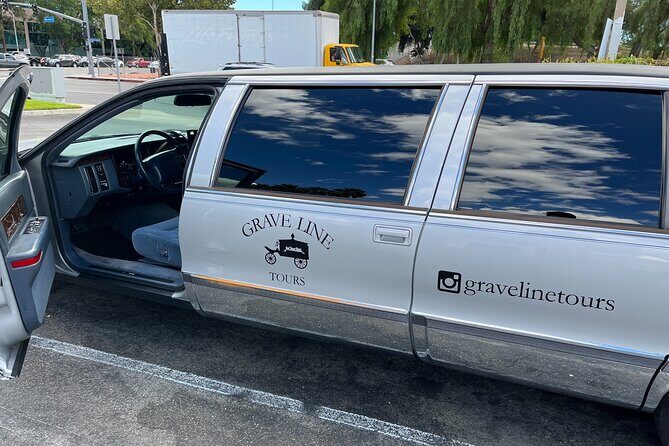
Los Angeles is huge, and true-crime sites aren’t all clustered like a museum. That’s why I think the limo format matters: it lets you move between key spots quickly while staying in one experience flow. You’re not bouncing between rideshares all afternoon.
The vibe is also purposeful. The funeral-limo theme signals that you’re dealing with victims, not a gimmick. In practice, the guide uses context and era atmosphere so you can connect names, timelines, and places without sensational retelling.
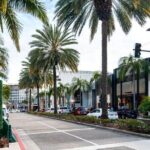
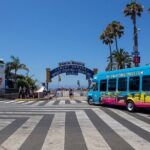
The best part is that you get LA views during the drive, not just stop-and-go sightseeing. The ride gives you a bigger sense of the city’s layout around Hollywood, which helps when you’re trying to make sense of where the story unfolded.
You can also read our reviews of more tours and experiences in Los Angeles.
Getting there: the 10:00 am Hollywood meetup and how to prep
You start at Ovation Hollywood, 6801 Hollywood Blvd, and the tour ends back at the same meeting point. It begins at 10:00 am and runs about 3 hours.
This timing can work well if you want one focused activity early, then freedom for the rest of the day. Start with the tour, then you’ll know which neighborhoods and nearby landmarks you’re looking at afterward.
A few practical notes that help you enjoy it more:
- It’s near public transportation, so you’re not forced into a car-only plan.
- You’ll want to bring a charged smartphone if you plan to use the provided visual background materials (they require data access).
- The tour requires good weather, and if it’s canceled for poor weather you’ll be offered a different date or a full refund.
Also, plan for the route to include tight turns and stops typical of Hollywood. If you’re prone to feeling rushed, show up a few minutes early so you can settle in before the drive begins.
Stop 1: the Tate/Polanski cottage site and what the guide should clarify
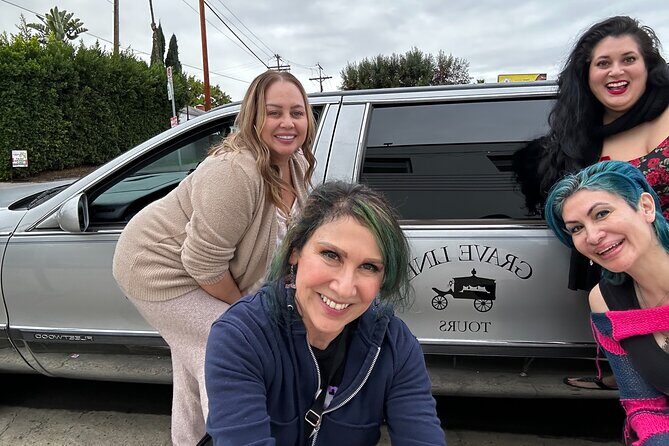
The first stop focuses on the area where the Tate/Polanski cottage stood. For many people, this case is attached to famous names, but the real value here is the guide’s effort to set the location inside a timeline you can actually picture.
At this stop, you should pay attention to how the guide ties together questions like: where the story happened, how that neighborhood looked then versus now, and how investigators later tried to piece together what it meant. That’s where context turns the case from headlines into something you can understand.
One thing to keep in mind: you’ll be dealing with a case involving five innocent souls. This tour may include disturbing framing, even when it’s handled respectfully. If you’re trying to stay emotionally steady, this is the stop where you’ll likely feel it most.
What you’ll gain is place-based understanding. Instead of reading about the case in the abstract, you get a real-world reference point that makes the rest of the route make more sense.
Stop 2: the LaBianca house site and why locations matter
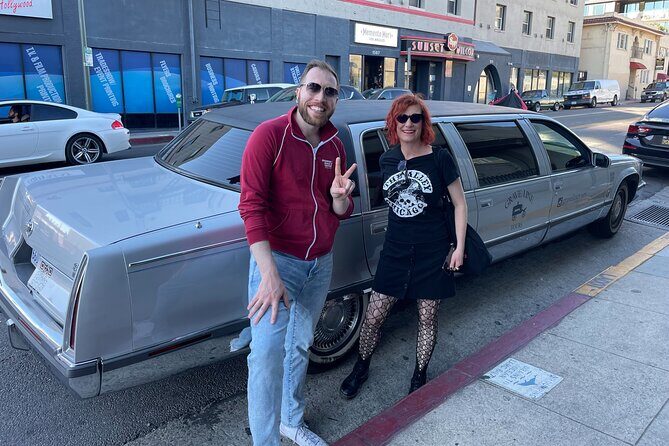
The second major stop visits the house where the LaBiancas were killed by the Manson family. This location-focused approach is important because it shows how the case wasn’t just a single event in one place—it was a chain of actions across specific properties.
This is the point where I’d listen closely for the difference between what’s known, what’s argued, and what became part of later theories. A well-run guide doesn’t just list facts; they help you understand why people interpreted evidence differently over the decades.
You’ll likely also notice how the tour avoids turning victims into trivia. Even if you arrive with curiosity about the story, you’ll be guided to keep the human stakes in view while you learn.
A possible drawback here is emotional strain. This stop is explicitly about violent deaths, and the tour isn’t designed for a casual detour. If you have a low tolerance for heavy subject matter, you’ll want to think twice before booking.
Stop 3: Spahn Movie Ranch in the state park and the Hollywood connection
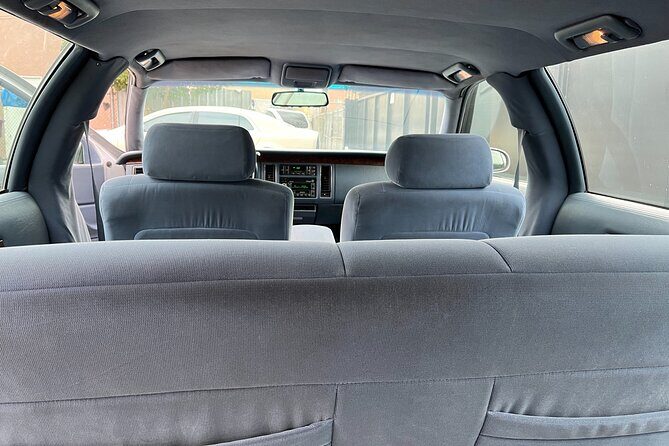
Next, the tour heads to a state park where the old Spahn Movie Ranch—and home to the Family—once existed. This stop is where the tour becomes more than a crime-location circuit. It helps explain how Hollywood’s shadows could overlap with fringe reality.
Spahn Ranch is a key piece of the puzzle because it connects the story to the movie-industry ecosystem that surrounded 1960s Los Angeles. The big takeaway I’d want you to leave with is that environments shape behavior. The guide’s context should help you see how place, publicity, and illusion all tangled together.
There’s also a practical advantage. When you’re standing in a modern outdoor area that preserves echoes of the past, the story becomes easier to visualize. You’re not only absorbing details—you’re connecting them to an actual setting you can observe.
The tradeoff is pacing. Outdoor stops can feel longer if you’re already emotionally taxed, so I suggest you bring patience and take breaks where you can. If you start to feel overwhelmed, take a breath and focus on the basics: timeline, names, and why the ranch mattered.

Stop 4: the Dennis Wilson connection and summer 1969 context
The final stop looks at where Manson used to spend hedonistic nights out with Beach Boy Dennis Wilson in the summer of 1969. This is one of the most talked-about crossovers, and it’s also where context becomes crucial.
A guide should help you separate the cultural magnetism of that era from the reality of what followed. The point isn’t to glamorize the scene—it’s to show how proximity to celebrity can distort perceptions and escalate consequences.
This stop also highlights a pattern you’ll likely notice across the tour: the story is presented as more than crime facts. It’s about social dynamics—how certain circles worked, how rumors spread, and why the case became so widely misunderstood.
If you enjoy music-history angles, this part tends to land well. The tour often uses era music and interview-style audio cues, which can help you feel the time period instead of just hearing about it.
It’s also the last emotional stretch, so take it slowly. Even if you came for true crime, the Dennis Wilson connection is the kind of detail that can make the case feel larger than life—so let the guide bring it back to grounded context.
How the guide’s style shapes your understanding (Ansley, Blaze, and the small-group edge)
Across the tour, the biggest difference maker is how the guide frames what you’re seeing. The approach here is context-driven and respectful, designed to avoid sensational retelling. That matters because Manson-related media often swings between extremes: tabloid spectacle on one side, moral lessons without nuance on the other.
Guides like Ansley and Blaze are praised for holding attention and handling questions with patience. That helps a lot in a small group setting where you can actually hear the story and not just follow a script.
One detail that seems to elevate the experience: the ride uses era music and interviews timed to the places you’re passing. That’s not just ambiance. It helps you mentally place yourself in the period, so names and dates start to stick.
I also like the way the tour feels structured for learning. You’re not left to guess why each stop exists. If you’re into social history or criminology, you’ll probably appreciate the guide’s habit of connecting the locations to cultural context and investigative theories.
And yes, being in a vehicle with a guide means you get LA geography too. You’ll see more of the city than if you were trying to DIY these stops one by one.
Price and value: is $93.08 a fair deal for 3 hours?
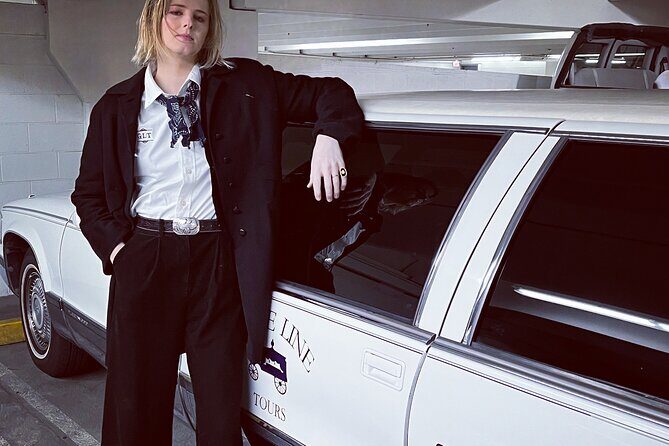
At $93.08 per person for about 3 hours, you’re paying for a specific combo: guided story + limo transportation + multiple key location stops. In Los Angeles, that mix can be hard to replicate cheaply, especially when parking and navigation start eating your time.
You’re also not just getting a driver. The tour includes visual background materials for passengers with smartphones and data access. While it’s not a full museum-style package, it’s a smart add-on for keeping you oriented as the story moves between locations.
Then there’s the small-group factor (max 8). If the tour ran as a big bus crowd, your chances of hearing details and asking questions would drop. Here, the format supports a more attentive experience.
On the downside, there’s no included meal, and snacks aren’t part of the price. You do get an opportunity to buy coffee and light snacks halfway through, which is a nice reset if you’re listening closely and need a brief break.
My bottom line on value: this price makes sense if you want a guided, place-based story that’s harder to stitch together on your own. If you prefer light sightseeing or you strongly dislike true-crime themes, then value becomes personal. Comfort matters.
Who should book this tour (and who should skip it)
This is a good fit if you’re interested in social history, criminology, or how cultural scenes intersect with real-world harm. The tour’s focus on specific sites helps you turn a complicated case into something you can map.
It’s also a solid pick if you want a guided ride rather than walking through multiple LA neighborhoods on your own. The limo format helps you get the city’s layout while you learn.
I’d steer you away from booking if you’re sensitive to extreme subject matter or if you know you get emotionally upset by disturbing content. Even with a respectful approach, the subject is unavoidable, and the stops are explicitly tied to violence.
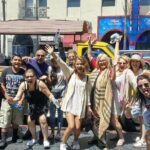
If you’re traveling with friends who enjoy discussion, the small group size can be fun because you can process details as you go. If you’re solo, it can be equally good because the guide’s pacing and question time can help you avoid feeling lost.
If you’re the type who likes to understand why cases become cultural references, not just what happened, you’ll likely appreciate how the tour builds context stop by stop.
Should you book the Manson Family Murders Funeral Limo Tour?
If you want a focused, guided LA experience that connects real locations to a difficult chapter of cultural history, I think this tour is worth considering. You get a classic limo ride, a small group, and a guide-led approach that aims for context over spectacle.
Book it if:
- You like place-based storytelling and want to see multiple key sites in one outing.
- You enjoy era mood-setting with music and interview-style audio cues.
- You’re comfortable with an intense true-crime topic presented respectfully.
Skip it if:
- You’re easily shaken by violent crime content.
- You’re looking for a light, casual sightseeing day.
- You don’t want any part of the experience tied directly to the victims’ deaths.
Finally, I’d recommend planning ahead. This kind of tour tends to get scheduled in advance (about a month out on average), so reserving early helps lock in the time that works for your LA schedule.
FAQ
How long is the Manson Family Murders funeral limo tour?
It runs for about 3 hours.
Where does the tour start and where does it end?
It starts at Ovation Hollywood, 6801 Hollywood Blvd, Hollywood, CA 90028, and it ends back at the same meeting point.
What time does the tour begin?
The start time is 10:00 am.
How much does it cost per person?
The price is $93.08 per person.
Is the tour offered in English?
Yes, it is offered in English.
What is included in the tour?
You get access to visual background materials for passengers with smartphones that have data access.
Are snacks included?
No. Snacks are not included, but there is an opportunity to purchase coffee and light snacks halfway through the tour.
What is the group size limit?
The tour has a maximum of 8 travelers.
Can I cancel for a full refund?
Yes. You can cancel up to 24 hours in advance for a full refund. If you cancel less than 24 hours before the start time, the amount paid is not refunded.