REVIEW · LOS ANGELES
Demystifying Art at The Getty – One-Hour
Book on Viator →Operated by Quick Culture · Bookable on Viator
Stepping into The Getty can feel like a lot, fast. This one-hour private tour helps you understand what you’re seeing with clear, story-driven explanations, while still leaving time to look for yourself. I especially like the private small-group format (up to 6) and the way the guide turns famous works into everyday questions. One thing to watch: food isn’t included, so plan your snack or meal breaks around museum dining.
You’ll meet your guide at the departure tram level at 1200 Getty Center Dr, which is a smart start point because it gets you oriented before you wander. Guides like Sasha, Ellen, and Menna have been praised for connecting art to history without talking down to anyone, which is exactly what you want when you’re visiting for the first time or you’re not sure where to start. The tour is also designed to work for real life—wheelchairs and strollers are welcome, and service animals are allowed.
Even if you’re just doing a tight museum window, this tour focuses on the highlights and the “why” behind them: the symbolism, the style choices, and the social context that shaped what artists made. If you’re hoping for a full-blown, everything-in-one-day museum takeover, you may want extra time after the tour—but for a single hour, it’s an efficient way to get your bearings and start seeing patterns.
In This Review
- Key highlights worth planning around
- Meet at the tram level and save your energy
- The Getty Center experience: architecture, gardens, and big views
- Your one-hour route: how the guide turns highlights into meaning
- What to look for while you follow the guide
- Da Vinci to Van Gogh: art stories that connect to real life
- The symbolism lessons: nudity, Virgin Mary colors, and royal influence
- Why these themes are valuable
- Dutch painting clues: dead bugs, wilted flowers, and skulls
- Impressionism in one hour: why the brushwork looks blurry
- What changes with the longer version of this art tour
- Value check: is $175 per group a smart spend?
- Who should book this one-hour Getty Center art experience?
- Should you book the one-hour Demystifying Art at The Getty?
- FAQ
- How long is the one-hour tour?
- Where do I meet the guide?
- Is parking included in the tour price?
- Is food included?
- Is this tour private?
- Can I bring a stroller or wheelchair?
- What’s included for group listening?
- When will I receive confirmation, and is cancellation free?
Key highlights worth planning around

- Meet at the departure tram level so you start oriented, not lost.
- Private up to 6 people means your pace and interests can actually matter.
- Art explanations built around symbols like still-life skulls, bugs, and flower arrangements.
- Renaissance + Dutch + Impressionism themes help you compare styles instead of just collecting facts.
- Optional UV-sanitized listening devices when your group size is 6+ or by request.
- Parking costs extra at the Getty, so budget for your car plan early.
Meet at the tram level and save your energy
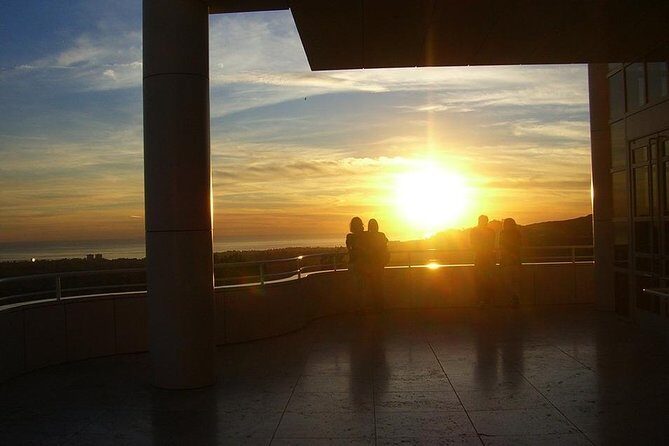
The tour starts at 1200 Getty Center Dr, at the departure tram level. That may sound minor, but it helps a lot. The Getty Center isn’t one straight hallway of rooms—you’re moving through a designed campus of galleries—so starting at a transit node gets you into motion quickly and avoids wasting your first minutes figuring out where to go.
Before you go in, take advantage of the on-site basics that make a museum visit smoother. The Getty Center has coat check and phone charging stations, and there’s convenient ride-share drop off. If you’re arriving by public transit, you’re close to it, too—so you’re not locked into one arrival plan.
One practical catch: the tour does not include parking. The Getty charges a per-car parking fee, listed as $25 (or $20 after 3:00 PM). If you’re driving, I’d treat that as part of your real total cost and plan your arrival time accordingly.
You can also read our reviews of more tours and experiences in Los Angeles.



The Getty Center experience: architecture, gardens, and big views
A big reason people love the Getty Center is that it’s not only about rooms full of art. The place itself is a draw. In particular, the building design gets real praise, and at least one guide-led experience highlighted how the site delivers strong views over Los Angeles and out toward the ocean.
And yes, the gardens matter. You’ll likely notice them as you move around the campus, and the garden setting is frequently described as gorgeous. That’s useful because it changes your rhythm: even if the art is heavy (and it can be), you get a visual breath between galleries.
For you, that means the one-hour tour can work in two ways:
- It gives you structure so you don’t end up just drifting.
- It also builds in enough time to enjoy the surroundings rather than sprinting only for paintings.
Your one-hour route: how the guide turns highlights into meaning

This tour is built for people who want the best parts of the Getty Center without having to become an art expert overnight. The guiding idea is simple: instead of treating paintings as isolated masterpieces, you walk through them with explanations that connect style, symbolism, and historical context.
In a short session, the biggest value is what the guide chooses to emphasize. The art isn’t just named. It’s decoded. That includes classic artists and famous categories, plus the deeper “what does it mean?” behind the images.
You can also expect the tour to feel interactive and question-friendly. Several guide experiences described a lively approach—asking you what you’re curious about, pointing out what to notice, and then giving you just enough background so you can see more on your own during any remaining free time.
What to look for while you follow the guide
Even with a guide, your eyes still do the work. When you’re in front of a piece, try this:
- Start by identifying the subject (portrait, religious scene, still life, landscape, etc.).
- Then look for the details that feel odd or out of place.
- Finally, listen for how the guide explains symbolism or technique choices.
That’s where the tour’s storytelling approach pays off, because you’re learning a way to look, not just memorizing dates.
Da Vinci to Van Gogh: art stories that connect to real life
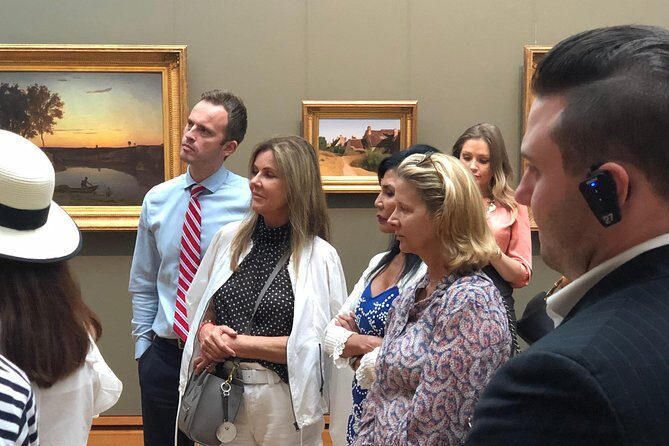
The tour’s highlight themes cover major figures and a range of art styles, including Da Vinci, Rembrandt, Monet, and Van Gogh. The point isn’t to turn you into a textbook reader. It’s to show how artists shaped history and how their choices still connect to everyday life.
Here’s what that usually means in practice on a tight route:
- You’ll understand why certain works were made and what audiences expected.
- You’ll get context about how styles changed over time.
- You’ll learn what makes a movement recognizable so you can spot it even when you move on without the guide.
If you’re visiting with a friend, partner, or family member who isn’t sure they care about art, this format helps. The stories act like training wheels: you still do the walking and looking, but you’re not stuck staring at labels.






The symbolism lessons: nudity, Virgin Mary colors, and royal influence
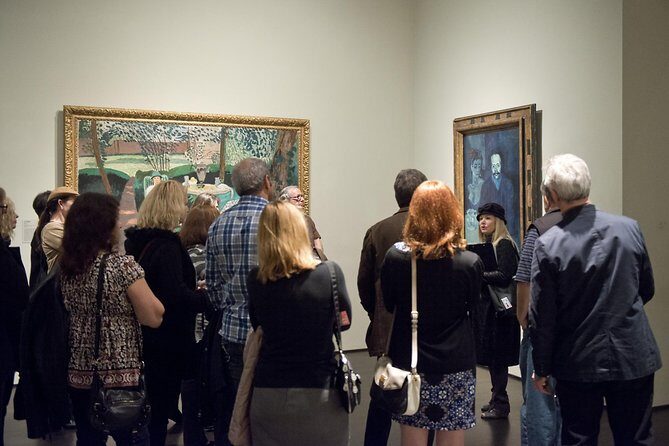
One of the tour themes focuses on how Renaissance art uses bodies and symbolism in ways that can feel surprising at first. In particular, it covers why there are so many nudes in Renaissance art—and how that relates to the culture that produced them.
It also touches a specific pattern you might notice before you even hear the explanation: the Virgin Mary painted in certain color choices (red, blue, or both). In religious art, color often carries meaning, and the guide approach helps you see that meaning instead of treating it as decoration.
Then the tour shifts to how real-world power shows up in art and design. The tour description includes how Louis XIV, Louis XV, and Louis XVI influenced fashion and furniture. That matters because it nudges you to see the Getty as more than paintings behind glass. It’s also about how elite life shaped objects, taste, and visual culture.
Why these themes are valuable
In an hour, you don’t need encyclopedic coverage. You need a few strong frameworks. These themes give you frameworks you can carry forward:
- Bodies can be about more than sensuality.
- Color choices are rarely random.
- Royal courts shaped the look of daily life.
Once you have those frameworks, you’ll notice more when you keep exploring on your own.
Dutch painting clues: dead bugs, wilted flowers, and skulls
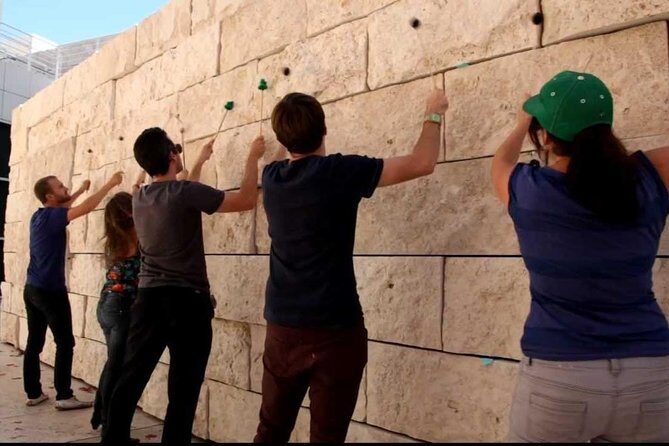
If you’ve ever wondered why a still life looks like it contains objects that shouldn’t belong together, you’re not alone. The tour explanation includes examples like dead bugs, wilted flowers, and skulls in Dutch paintings.
That can sound dark, but it’s actually one of the most useful “demystifying” tools in art. Still-life details often point to ideas about mortality, time, decay, and the fragility of beauty. The guide helps you interpret those details so your reaction goes from confusion to recognition.
Practical tip: when you see a skull or a dried plant, don’t rush past it. Pause for a second and ask yourself:
- What does this detail represent?
- Is it emphasizing beauty, decay, or both?
- How does the arrangement push your eyes around the image?
With the guide’s cues, you’ll start answering those questions without needing a second pass.
Impressionism in one hour: why the brushwork looks blurry
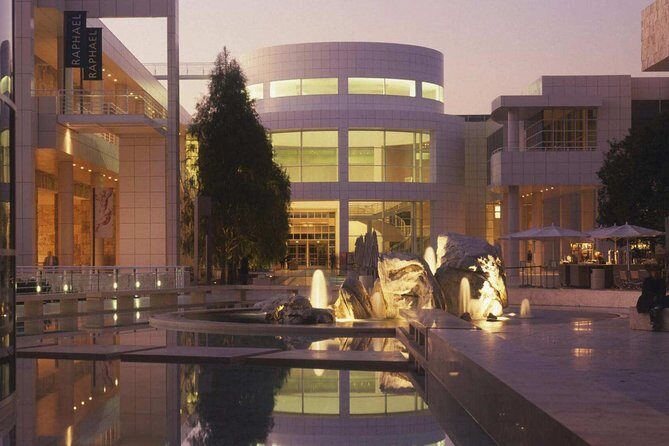
Another theme in the tour focuses on Impressionism and why it can look blurry if you’re expecting crisp realism. This is one of the best examples of how a guide can save your time and your mood.
Instead of you trying to force yourself to “like” a style, the guide explains what the style is trying to do. You learn what to notice—light effects, texture, and the overall visual impression—rather than judging it by a single detail.
If you’re walking through the Getty feeling like you have to catch up on art history, this part is a relief. It reframes the art so you can enjoy it on the terms the artists used.
What changes with the longer version of this art tour
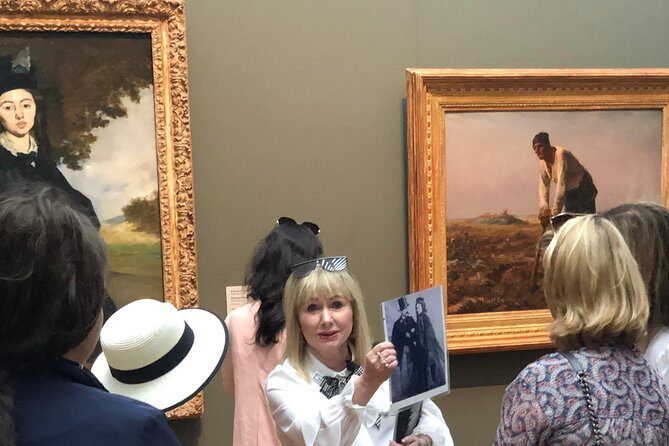
You’ll also see references to a longer version of the same overall concept, which adds more time and more stops. In that longer description, the tour includes the Decorative Arts Pavilion, with items connected to kings and Marie Antoinette, plus an option to concentrate on a specific art period.
For you, the practical takeaway is this: the one-hour format is best for a highlights run and a set of guiding interpretations. If you’re the type who wants to linger, compare, and go deeper into decorative arts, you’ll probably want additional time beyond the tour.
And if you’re visiting mainly for one focus—Renaissance, Dutch still life, Impressionism, or royal-era design—the longer format’s “choose your period” idea may fit you even better than a one-hour sampler.
Value check: is $175 per group a smart spend?
The price is $175 per group up to 6, and that matters more than the dollar amount by itself. Divide it up and the cost per person gets much easier to justify, especially if you’re traveling with family or friends who will actually talk during the walk instead of tuning out.
You’re paying for three things:
- A guide who chooses the most meaningful highlights for a short visit.
- Explanation that helps you look better once you reach each gallery.
- A private experience, which reduces the chance you spend your hour tracking people instead of art.
A couple of costs are not included, and it’s important to factor them in:
- Parking fees are extra.
- Food and snacks are not included.
Also note: the Getty parking fee is specific and time-based, so your timing can change your total. If you’re driving, arriving earlier can keep the parking at the higher schedule too, but at least you’ll know what to expect. (You can decide what works best for your day.)
If you’re a first-timer, or you’re visiting with someone who feels overwhelmed by museums, I’d call this a strong value. If you already know the Getty well and you mostly want solitude, you might not need a guide for just one hour.
Who should book this one-hour Getty Center art experience?
This tour is set up for a wide range of people. Wheelchairs and strollers are welcome, and service animals are allowed. The tour is offered in English, and it’s described as suitable for most travelers.
Families can work well here because the guide style can keep teens and kids engaged, with plenty of talking points and active looking. For anyone traveling with children, the rule is straightforward: all children must be accompanied by an adult.
This also fits well for couples and solo visitors who want a planned route without committing to a half-day. If you want structure but still plan to wander afterward, this is a good “starter kit.”
Should you book the one-hour Demystifying Art at The Getty?
I’d book it if you want a guided highlights pass that helps you understand what you’re looking at—especially if you’re the kind of person who wonders why artists painted what they painted. The tour’s strong suit is interpretation: symbols in Dutch still life, patterns in religious painting, and the logic behind Impressionism’s visual style.
I wouldn’t book it (or I’d pair it with extra time) if your goal is to fully exhaust the museum. One hour is enough for direction and a handful of big ideas, not enough to see everything deeply. Also plan for your day’s food, since nothing is included.
If you do book, come with two or three things you’re curious about—maybe one art period, maybe one theme like symbolism or royal design. Then you’ll get more out of the hour, and you’ll keep noticing even after the tour ends.
FAQ
How long is the one-hour tour?
It runs for about 1 hour.
Where do I meet the guide?
Meet at 1200 Getty Center Dr, Los Angeles, CA 90049, at the departure tram level.
Is parking included in the tour price?
No. The Getty parking fee is extra, listed as $25 per car ($20 after 3:00 PM).
Is food included?
No. Food and snacks are not included. The tour notes there are many dining options nearby.
Is this tour private?
Yes. It’s a private activity, meaning only your group participates.
Can I bring a stroller or wheelchair?
Yes. Wheelchairs and strollers are welcome.
What’s included for group listening?
UV-sanitized listening devices are provided when there are 6+ people or on special request.
When will I receive confirmation, and is cancellation free?
Confirmation is received within 48 hours of booking, subject to availability. Free cancellation is available up to 24 hours in advance for a full refund.