REVIEW · LOS ANGELES
Black History Tours of South LA (Guided Van Tour) – Crenshaw
Book on Viator →Operated by A Great Day in South LA · Bookable on Viator
South LA tells its story from the street. That’s what makes this guided van tour such a smart way to understand Crenshaw and nearby neighborhoods in just a few hours. I like that the route ties together art, architecture, and community landmarks, and I also like the way your guide connects the places you pass with the bigger story of Los Angeles.
One thing to consider: you’re mostly cruising by car. If you’re hoping for lots of long walks or museum time, this format may feel a bit more like seeing the “why” behind neighborhoods than getting out and exploring on foot.
In This Review
- Quick hits
- Crenshaw to View Park: the route you can actually finish in one day
- Meeting at 3860 Crenshaw Blvd and the small-group vibe
- Crenshaw Boulevard: historic organizations you spot fast
- Leimert Park Village: the Black Greenwich Village idea
- West Adams: historic homes and the people behind them
- Historic Central Avenue Corridor: jazz district context from the car
- View Park: grand architecture and city views
- Why this tour feels worth $69: education tied to what you can see
- Who should book this Black History van tour in South LA
- Weather and comfort: plan around the van and the street
- Should you book the Crenshaw Black History Tours of South LA?
- FAQ
- How long is the guided van tour?
- What does the tour cost?
- Where does the tour start?
- How many people are in the group?
- Is confirmation sent after booking?
- Is the tour near public transportation?
- Are service animals allowed?
- What if the weather is bad?
Quick hits
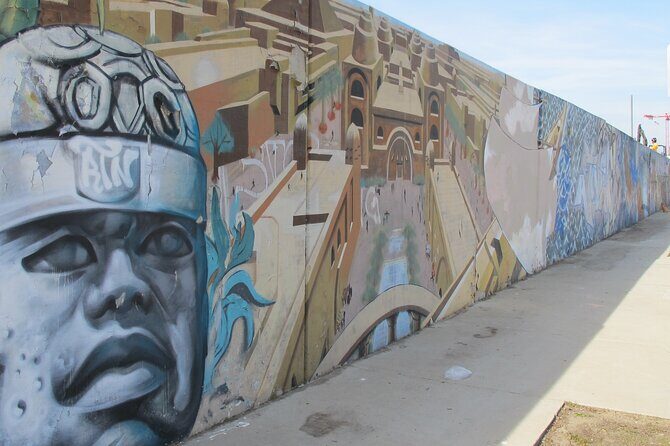
- Crenshaw Boulevard cruising for historic buildings and organizations tied to Black Los Angeles
- Leimert Park Village and the story behind Black Greenwich Village
- West Adams historic homes plus context on influential Black Angelenos
- Historic Central Avenue Corridor with a peek at the jazz district
- View Park for grand architecture and city views from the hill
Crenshaw to View Park: the route you can actually finish in one day
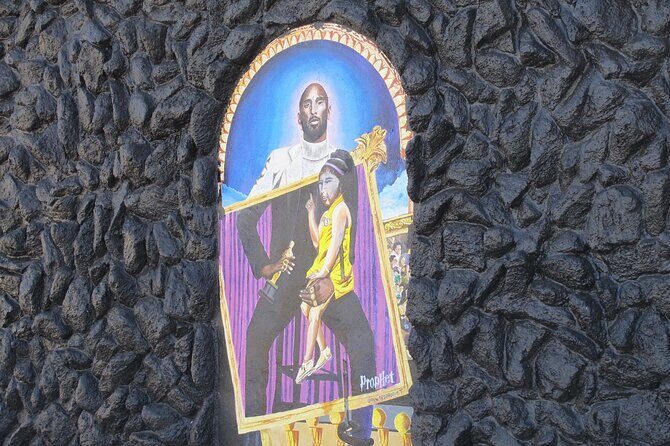
This is a 4-hour guided van tour built for people who want meaning, not just miles. You get to move through several South Los Angeles neighborhoods—Crenshaw/Baldwin Hills, Leimert Park, View Park, West Adams, and Central Avenue—without the headache of driving, parking, and piecing together routes on your own.
The big win is how the tour links what you see to what you’re learning. The stops are chosen so you’re not just looking at pretty streets or historic-looking buildings. You’re getting the neighborhood-level story behind them: community institutions, cultural landmarks, and the people connected to the city’s Black legacy.
And yes, it’s also a practical value. At $69 for about four hours, you’re paying for guided interpretation and local context—especially helpful in areas where the history is visible but not always explained clearly if you’re just passing through.
You can also read our reviews of more guided tours in Los Angeles


Meeting at 3860 Crenshaw Blvd and the small-group vibe
The tour starts at 3860 Crenshaw Blvd, Los Angeles, CA 90008, and it ends back at the meeting point. That loop matters more than it sounds. You don’t have to figure out “then what?” once the tour ends—your day stays simple.
You’ll also appreciate the maximum group size of 3 travelers. Smaller groups usually mean less noise, more questions, and a more personal pace. It’s a nice match for a subject like Black history, where details matter and you may want follow-ups when something sparks your curiosity.
A couple practical notes from the format:
- You’ll be in a van, so you should dress comfortably and be ready for street-level visibility from a moving vehicle.
- The tour is near public transportation, which is useful if you don’t want to deal with all parking logistics.
Crenshaw Boulevard: historic organizations you spot fast
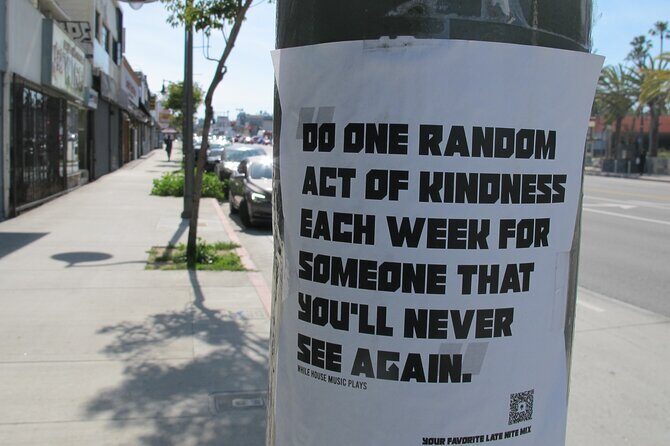
The tour begins with a cruising stretch of Crenshaw Blvd, where you’ll look for historic buildings and organizations at the heart of Black Los Angeles. This is the kind of stop where the guide’s job is essential. From the sidewalk, some institutions are easy to overlook, even if they’re visually present. From the passenger seat with context, they start to make sense.
Why this works: Crenshaw is one of those corridors where you can feel the layers of the city. Seeing it as a connected story—rather than disconnected landmarks—helps you understand why certain neighborhoods developed the way they did and how community spaces helped shape everyday life.
What to expect here:
- Slower, interpretive cruising rather than stop-and-go.
- Mentally “tagging” buildings as you learn what to pay attention to later.
If you’re the type who likes to understand the “systems” behind a neighborhood—not just the aesthetics—this first leg sets you up well for the rest of the route.
Leimert Park Village: the Black Greenwich Village idea
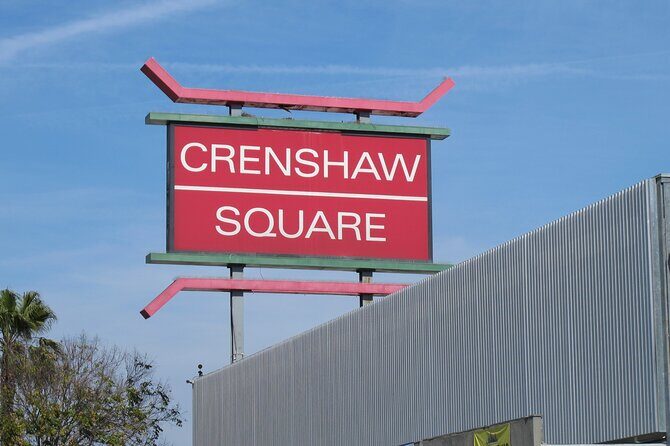
Next up is Leimert Park Village, where you’ll cruise by the area described as the Black Greenwich Village. Even if you don’t know that reference going in, the phrase points you to the right mindset: this is a place associated with cultural expression, community identity, and the arts.
Leimert Park is a strong stop because it changes the tone from institutions and corridors to creativity and neighborhood character. Instead of only asking what the city looked like, you’re asked what the neighborhood did—how it supported culture, art, and social life.
What I love about this kind of stop is that it nudges you to see “ordinary streets” differently. You start noticing how a village-style area can operate like a center—where people gather, create, and connect. That’s often the missing piece in one-off photo trips.
A practical consideration: this segment is still a van experience. If your plan is to take lots of detailed photos, bring your phone settings ready and aim for the moments the guide points out key streets or facades.
West Adams: historic homes and the people behind them
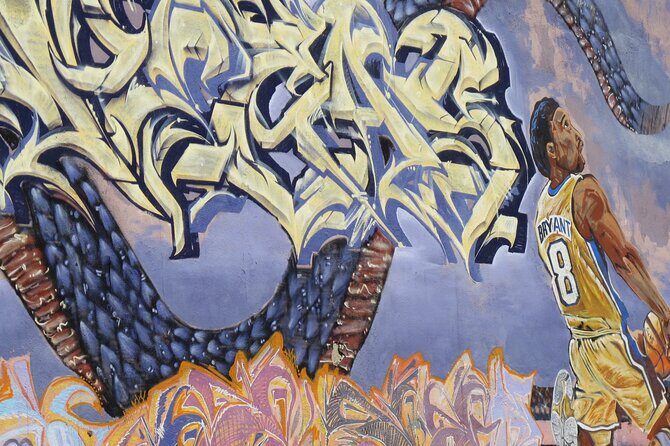
Then the tour moves through Historic West Adams, with a focus on historic homes and the history of influential Black Angelenos. This section is the architectural counterpoint to the cultural focus of Leimert Park. You’re looking at streetscapes and housing forms, but the guide ties them back to people and their influence.
Why this matters for you: architecture can look like background noise if nobody explains it. Here, it becomes part of the story—how communities lived, built, and developed, and how influential figures shaped the broader city narrative.
What you’ll get out of West Adams depends on your travel style:
- If you enjoy city history and want to connect names and legacies to real places, you’ll likely feel this stop the most.
- If you mainly want photo ops, you’ll still enjoy the look of the homes, but the payoff is bigger if you’re open to interpretation.
You can also read our reviews of more historical tours in Los Angeles


Historic Central Avenue Corridor: jazz district context from the car
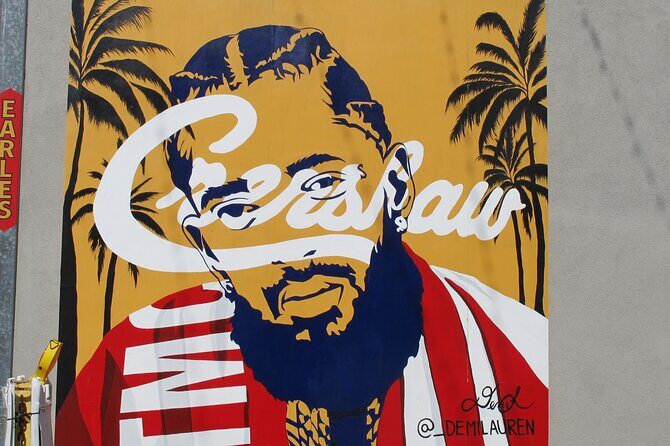
After that, you’ll cruise down the Historic Central Avenue Corridor for a glimpse into historic places and stories about the jazz district. Central Avenue is one of the easiest names in Los Angeles to associate with music—but the tour’s value is in giving you a guided way to understand what that music represented and why the corridor mattered.
This is a strong example of how the tour balances “place” and “meaning.” You’re not just hearing that jazz happened here. You’re likely picking up how the neighborhood connected culture to community life and how the city’s identity developed in conversation with Black artists and audiences.
If you like stepping into Los Angeles through sound—what you hear in movies, what you’ve read in books, what you already feel in the city—this part helps connect the dots. And even if you’re not a jazz superfan, it’s still a useful cultural lens because the guide frames the jazz district as more than entertainment.
View Park: grand architecture and city views
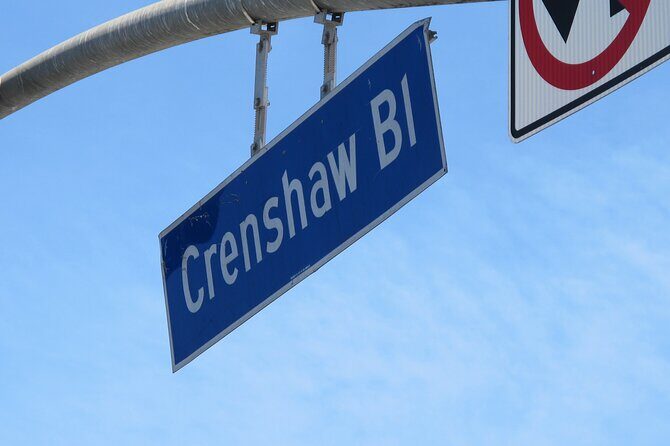
Finally, the tour gets you through View Park, with beautiful city views and grand architecture. This stop is a breather from the corridor-heavy cruising. It’s where the tour shifts toward scenery and design, and where you get to see Los Angeles from an elevated perspective.
Expect this to feel different from the earlier neighborhoods. Early stops help you understand history as something happening in institutions and communities. View Park adds a visual payoff: the view helps you physically grasp the “set-up” of the city, while the architecture provides a second layer of meaning tied to how places were shaped.
If you want a clear “closing image” for your day, this is it. A lot of tours leave you with facts. This one also leaves you with a view.
Why this tour feels worth $69: education tied to what you can see
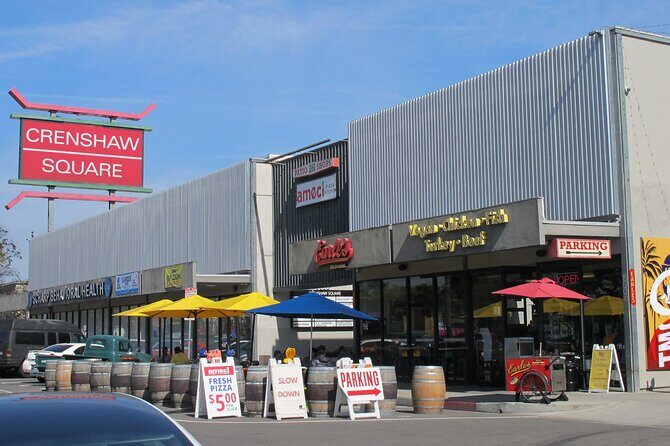
Price-wise, $69 for about four hours is in the “reasonable” zone for a guided experience—especially one that covers multiple neighborhoods without requiring you to figure out transport and timing. The real value isn’t the driving. It’s the interpretation.
Small group size matters here. With a maximum of 3 travelers, you’re not stuck in a giant group where questions go unheard. You also get a steadier rhythm, which helps when the topic is layered and detailed.
The tour also has a community-minded angle. It’s described as supporting local businesses and community initiatives, and that’s not just a feel-good line. For you, it means you’re more likely to leave with a sense of where to continue learning and spending locally after the tour.
Who should book this Black History van tour in South LA
I’d especially recommend this for you if:
- You want a guided South LA history route but don’t want to drive yourself for hours.
- You care about Black Los Angeles stories connected directly to places you can see.
- You like learning in a more personal setting, given the very small group size.
It may not be your best fit if:
- You’re looking for lots of walking or long stops off the van.
- You prefer museum-style learning only. This is streetscape and neighborhood context.
One more practical match question: if you’re traveling with limited time and you want multiple neighborhoods in one go, this format works. If you want a slow, deep, only-one-neighborhood experience, you might prefer something more focused.
Weather and comfort: plan around the van and the street
The tour requires good weather and can be canceled due to poor conditions. That’s not a small detail. If Los Angeles is being moody, your best plan is to keep your schedule flexible if the organizer needs to adjust.
Also, it notes it’s not recommended for travelers with cold or flu. That’s common for shared-vehicle experiences, and it’s worth respecting so the group stays comfortable.
Dress tip: think casual comfort. You’ll be in the van enough to warrant comfy layers, and you’ll still want to step into moments for photos when the guide points something out.
Should you book the Crenshaw Black History Tours of South LA?
If you want an efficient, meaningful introduction to South Los Angeles—Crenshaw, Leimert Park, West Adams, Central Avenue, and View Park—I think this is a strong yes. You’re getting a guided route that turns visible places into a connected narrative, and the small group size should make it feel more personal than the typical big-bus style of learning.
Book it if you like learning from place-based context and you’re fine with a car-forward format. Skip it if you’re expecting long stops, lots of walking, or a strictly museum-like pace.
FAQ
How long is the guided van tour?
The tour runs for approximately 4 hours.
What does the tour cost?
The price is $69.
Where does the tour start?
The meeting point is 3860 Crenshaw Blvd, Los Angeles, CA 90008.
How many people are in the group?
This tour has a maximum of 3 travelers.
Is confirmation sent after booking?
Yes. Confirmation will be received at the time of booking.
Is the tour near public transportation?
Yes, it is near public transportation.
Are service animals allowed?
Yes, service animals are allowed.
What if the weather is bad?
The tour requires good weather. If it’s canceled due to poor weather, you’ll be offered a different date or a full refund.