REVIEW · LOS ANGELES
La Brea Tar Pits and Museum Admission Ticket with Excavator Tour
Book on Viator →Operated by LOS ANGELES COUNTY MUSEUM OF NATURAL HISTORY FOUNDATION · Bookable on Viator
Tar pits are not supposed to look like this.
At La Brea Tar Pits and Museum, you get a rare mix of science and atmosphere: Ice Age creatures are found, cleaned, and studied in real time, right in the city. I love that this ticket is simple and lets you watch paleontology work while you also browse a well-organized museum that explains what you’re seeing.
Two big wins for me: first, the outdoor Lake Pit area is dramatic, with tar bubbling up as you walk by. Second, the Excavator Tour is included, and it connects the fossils to the site’s history plus newer dig areas like Observation Pit and Project 23.
One thing to consider: the on-site experience can depend on timing, and there have been days when the main excavator sessions weren’t running due to closures. Plan to double-check the day’s schedule so you don’t arrive hoping for a specific presentation that isn’t operating.
In This Review
- Key highlights to know before you go
- What your $18 ticket includes (and why it feels like good value)
- 2-hour game plan: museum flow, walking, and catching the Excavator Tour
- Lake Pit and the Pleistocene Garden: the outdoors that makes the science real
- Fossil Lab access and the clear-glass paleontology room
- Pit 91, Observation Pit, and Project 23 dig sites (the “still working” part)
- Museum exhibits: Ice Age animals you’ll recognize, and how they fit together
- Excavator Tour included: what it adds and how to time it right
- Family-friendly visit tips that keep it easy for kids
- Should you book this La Brea Tar Pits ticket with the Excavator Tour?
- FAQ
- How long does the La Brea Tar Pits and Museum visit take?
- What is included with this ticket?
- Is the Excavator Tour included or extra?
- Are the 3D film or Ice Age Encounters show included?
- What are the opening hours?
- Is there a lot of walking?
- Can I cancel for a refund?
Key highlights to know before you go
- Live fossil recovery in action at the Fossil Lab and observation areas
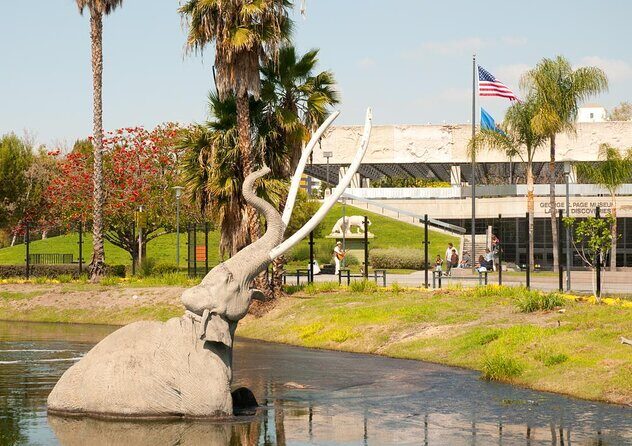
- Lake Pit and tar ooze for a truly odd sense of place
- Pit 91 access plus museum spaces like the Atrium and Pleistocene Gardens
- Excavator Tour included and free with admission, covering multiple pit locations
- Clear-glass paleontology viewing room for a front-row view of preservation work
- Project 23 shows you that this is still an active excavation site
What your $18 ticket includes (and why it feels like good value)
For about $18 per person, you’re buying more than museum entry. You get general admission plus Pit 91 access, Pleistocene Gardens, and Atrium access, and then you also get the Excavator Tour included with your admission. That matters because the tar pits are not a “static” exhibit. You’re paying for a living science site: fossils are still being recovered and studied, and your ticket is designed to take you to the parts where that process is visible.
In practical terms, this ticket works well if you want a focused visit instead of a half-day at a huge museum you’ll barely touch. The museum itself is smaller, so you can realistically see a lot in about two hours, especially if you follow the tour timing.
What’s not included is also useful to know up front. You may see mention of 3D film and an Ice Age Encounters show, but they’re separate on-site ticket options. Also, souvenir photo options cost extra. If your priority is fossil viewing and lab access, the core ticket does the heavy lifting.
You can also read our reviews of more tours and experiences in Los Angeles



2-hour game plan: museum flow, walking, and catching the Excavator Tour
This experience runs about two hours (approx.), and the day-of pacing is the difference between relaxed and rushed. The tour you care about—the Excavator Tour—is included, but it follows a schedule, and your ticket doesn’t magically give you extra access if you miss the session. So I suggest treating this like a timed visit, not a “wander whenever” stop.
Here’s how I’d plan it:
- Start with getting outside your bearings first: Lake Pit and the Pleistocene Gardens help you understand the site fast.
- Then head toward the Fossil Lab-type areas. Watching lab work is often the moment the whole place clicks.
- Build your route around the Excavator Tour time you reserve on-site/free-with-admission.
The tour is described as including Fossil Lab, Observation Pit, and Project 23. That’s why the order helps: if you see the digging areas first, the tour history makes more sense when you hear how Ice Age animals ended up trapped in tar.
One more practical note from real-world experience patterns: there can be days when a major pit or a museum section is closed, or when excavator presentations don’t run (holiday scheduling has caused issues). If you can, check the day’s operating status before you commit to a specific tour start time.
Lake Pit and the Pleistocene Garden: the outdoors that makes the science real
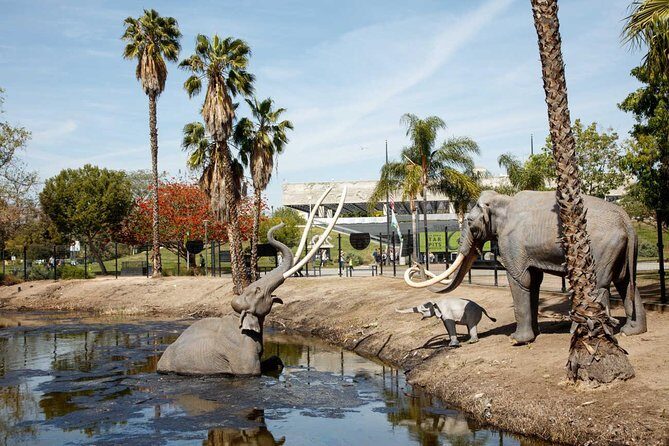
The first wow-factor here is the site itself. The Lake Pit area looks like a natural outdoor exhibit, but the reason it’s so memorable is simple: you’re watching the tar seep and bubble as part of the active landscape. It’s a strange contrast—busy Los Angeles nearby, and then this quiet pocket of Ice Age science.
Walking by the pits helps you understand the basic story. Tar isn’t just a background detail; it’s the trap that preserves everything. Fossils survive because of the tar’s chemistry and the way the site keeps working over time. Standing near the ooze gives you a physical sense of what the animals experienced—stuck, struggling, and then gradually preserved.
The Pleistocene Garden is the other outdoor stop that adds meaning. It’s not just pretty landscaping. It’s designed to connect you to the plants and environment of the Pleistocene era, giving context to the animals you’ll later see in the museum.
If you’re going with kids, the outdoors portion often works best early, when energy is high. Adults also tend to enjoy it because it breaks up the reading inside with a “look, then learn” rhythm.
Fossil Lab access and the clear-glass paleontology room

The Fossil Lab access is where you get to see science as a process, not a finished product. Instead of only looking at bones behind glass, you get a view of the careful work: recovering specimens, collecting evidence, and preserving fragile fossils so scientists can study them later.
Inside, there’s also a clear-glass paleontology room that functions like a window into ongoing lab work. You can watch the kind of detailed handling that fossil recovery takes. This is a great stop for anyone who likes knowing what happens after the dig—because that’s where a lot of the “wow” lives.
This is also where the site feels less like a typical museum and more like an active classroom. Staff are there to answer questions, and several visitors have singled out how friendly and engaged the team can be. One guide named Emily was specifically mentioned as personable and knowledgeable, and another visitor mentioned Becca leading an informative tour at 1pm. Even if the specific guide changes, the style you’re likely to get is the same: clear explanations and a focus on making science understandable.
Pit 91, Observation Pit, and Project 23 dig sites (the “still working” part)
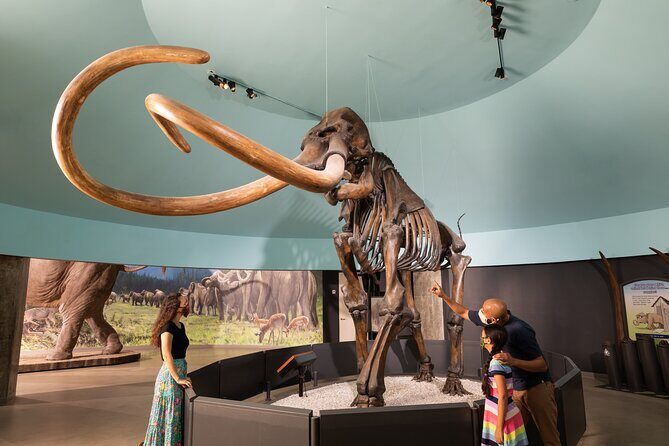
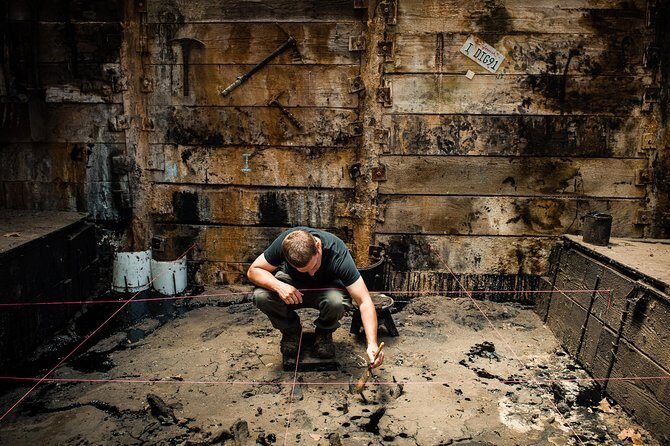
The tar pits can feel old-school in the best way, but what makes this ticket worth it is that the excavation isn’t a museum trick. It’s ongoing. Your admission includes Pit 91 access, and the Excavator Tour adds Observation Pit and Project 23, including a newer excavation site.
Here’s why that matters for your visit: when you see multiple pit areas, you start to understand that excavation isn’t one moment in time. It’s continual recovery. The site builds knowledge gradually—specimens are collected, documented, and then studied further.
Project 23 is a standout detail because it signals that the lab and field teams are still finding new evidence. That’s a big deal if you’ve ever wondered how the “old” scientific discoveries keep evolving. This is one of those rare places where you can witness that evolution on a normal day.
A consideration here: the site is subject to real-world operating conditions. Some days, a “main” pit area or a museum wing may be closed, and excavator demonstrations may run on a set schedule that you need to match. If you care most about seeing a specific pit or demo, check the timing on arrival and build your day around it.
You can also read our reviews of more museum experiences in Los Angeles






Museum exhibits: Ice Age animals you’ll recognize, and how they fit together
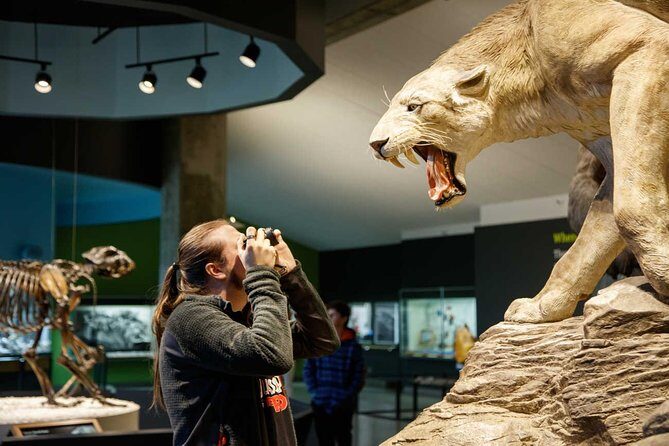
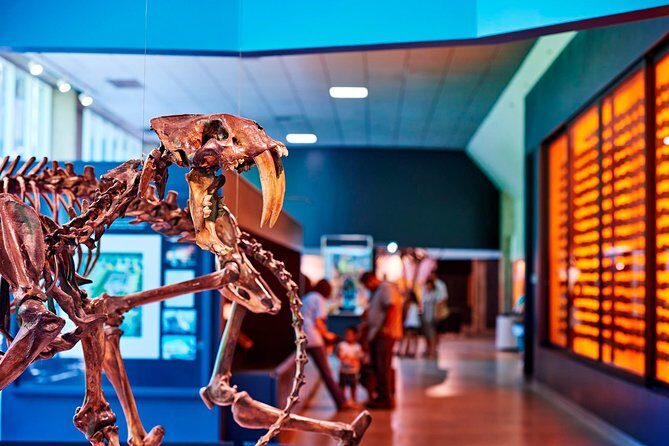
Inside the museum, you’ll see Ice Age fossils laid out with clear labels and a layout that helps you connect the dots. This is where you move from the odd wonder of tar and pits to the bigger story of Ice Age Los Angeles.
Expect to encounter fossil displays tied to famous prehistoric animals, including:
- Mammoths
- Saber-toothed cats
- Dire wolves
- Ground sloths
The best part of these exhibits is that they’re not random pictures. They’re presented as a system—animals, environment, and how the site preserved evidence. That makes the museum more than a “bone gallery.” You start to build a picture of what life may have been like when these creatures roamed the area.
If you’re sensitive to information overload, you’ll likely appreciate the museum size. Several visitors noted it’s not huge and can be completed in about an hour if you’re focused, or longer if you stop to read everything and take breaks outside.
Also, the museum includes Pleistocene Garden connections and lab viewing, so your indoor time supports what you already saw outside. That link between outdoor pits and indoor fossils is one of the strongest design choices here.
Excavator Tour included: what it adds and how to time it right
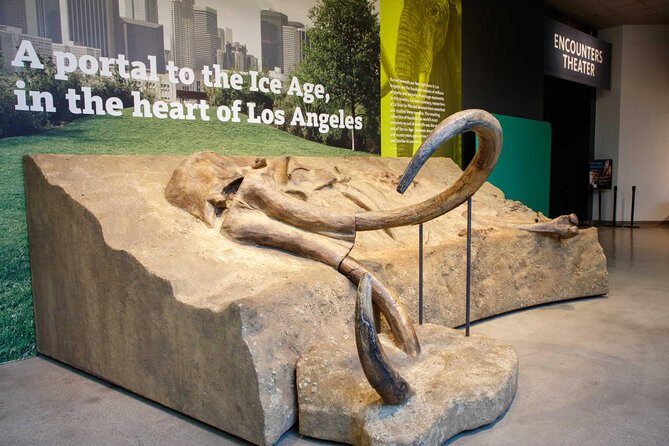
The big included bonus is the Excavator Tour, offered free with admission. It’s the tour that gives you the “why” behind the “wow.” You’ll hear about the history of the tar pits, why so many massive Ice Age animals ended up trapped, and what the excavation teams are working on now.
The tour description also includes a route that covers the Fossil Lab, Observation Pit, and Project 23. That structure is valuable because it turns the visit into a guided storyline instead of isolated stops. Even if you enjoy reading labels on your own, the tour helps you understand the sequence of events that produced the fossil record.
In terms of guide quality, visitors specifically praised guides like Emily for being personable and knowledgeable, and Becca for delivering an informative talk at a 1pm session. That matters because it suggests the staff can adjust their explanations to the crowd, which is especially helpful if you bring kids.
Timing is the only real drawback. The tour and demonstrations can depend on scheduling. If you arrive late or miss the session, you may not get a substitute experience that includes the same pit coverage. So I’d plan arrival with enough cushion to ask staff when the next available Excavator Tour time is.
Family-friendly visit tips that keep it easy for kids
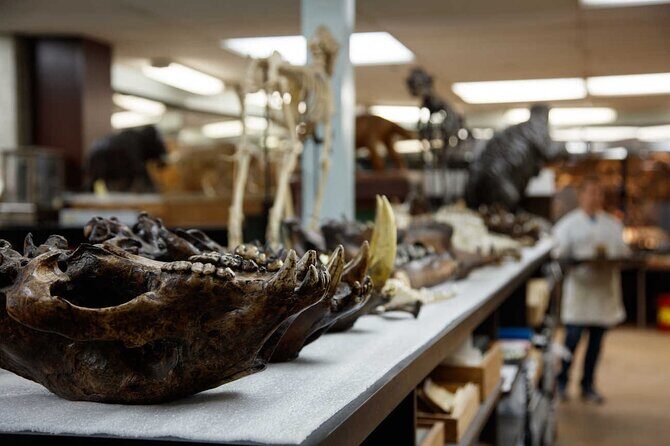
This is one of those LA stops that works well for families because it blends three kid magnets: outdoor sights, real science, and big animal fossils. The site is described as a great option for children, and you’ll also find touch-friendly elements noted in the experience patterns—perfect for kids who need a hands-on break from reading.
A smart move is to treat the visit as two chunks: outdoor pits first, then the museum and lab viewing. Outside gives kids something immediate and visual, like tar bubbling and the feel of an active excavation site. Then inside, they can settle into the fossil displays and watch lab work.
Plan for moderate walking. That’s not a dealbreaker, but it helps to wear comfortable shoes and assume you’ll be moving between outdoor pits, garden areas, and the museum spaces. If you’re using a stroller, you’ll likely manage fine, but still move at a pace where you can stop for questions and labels.
If you want the best chance of a smooth day, keep a little flexibility. Some families missed out on an excavator demonstration because they didn’t match their plans to the timing. Build in time to check what’s running that day.
Should you book this La Brea Tar Pits ticket with the Excavator Tour?
If your goal is a short, memorable science visit in Los Angeles, I think this ticket is a strong buy. For the price, you get Pit 91 access, museum areas like the Pleistocene Gardens and Atrium, plus the included Excavator Tour that adds context and connects the lab work to multiple pit locations like Observation Pit and Project 23.
Book it if:
- you want live paleontology-style viewing, not just a fossil room
- you’re traveling with kids or anyone who likes hands-on, real-world science
- you have about 2 hours and prefer a focused stop
Skip or rethink it if:
- you’re expecting a huge museum that takes a half day or more
- you only care about a very specific demo/timing and can’t adjust if schedules change
The best move is simple: arrive ready to follow the schedule on-site, and you’ll walk away with that rare feeling that you didn’t just see the past—you watched people uncover it.
FAQ
How long does the La Brea Tar Pits and Museum visit take?
The experience is listed at about 2 hours (approx.), though you may spend more or less time depending on how much you watch the lab work and how long you linger on the outdoor pits and garden areas.
What is included with this ticket?
Included access covers Pit 91, the Pleistocene Gardens, the Atrium, and the Excavator Tour, which is free with admission.
Is the Excavator Tour included or extra?
It’s included with your admission. You can reserve a spot on the Excavator Tour for an overview of the tar pits and visits to areas like the Fossil Lab and Observation Pit.
Are the 3D film or Ice Age Encounters show included?
No. The 3D Film and the Ice Age Encounters show are available on-site when you arrive, but they are not included in the ticket.
What are the opening hours?
The museum is open daily from 9:30 AM to 5:00 PM.
Is there a lot of walking?
Expect a moderate amount of walking. You’ll move between outdoor pit areas, garden areas, and indoor museum spaces.
Can I cancel for a refund?
Yes. Free cancellation is available up to 24 hours in advance for a full refund. If you cancel less than 24 hours before the start time, the amount paid won’t be refunded.