REVIEW · LOS ANGELES
Los Angeles: Grammy Museum Entry Ticket
Book on GetYourGuide →Operated by GRAMMY Museum · Bookable on GetYourGuide
A music museum with Hollywood views. Start on the Ray Charles Terrace for that classic Hollywood Sign angle, then spend time in the Sonic Playground, where music-making turns into something you can actually try. It’s not just look-and-read.
I also like the Mono to Immersive journey through sound—from older recording eras to surround sound—because it gives you a clear sense of how music technology changes what you hear. One heads-up: if you mainly want how the Grammys operate as an awards institution, you may find the focus leans more toward music, genres, and sound than the behind-the-scenes award process.
In This Review
- Key points before you go
- Ray Charles Terrace Photo Stop Before You Enter
- Ticket Value: What $22 Gets You in a One-Day Visit
- Sonic Playground on the Second Floor: Hands-On Music-Making
- Four Floors of Memorabilia and Genre Lessons
- Mono to Immersive: Sound Technology From 19th Century to Surround
- Special Exhibits Now: Luther Vandross and Rotating Artist Rooms
- RetroBlakesberg: See Music Through Photographer Jay Blakesberg
- Timing Your Visit and Where to Spend Your Energy
- Who This Museum Fits Best (and Who Might Want a Different Plan)
- Should You Book the Grammy Museum Entry Ticket?
- FAQ
- How much is the GRAMMY Museum entry ticket?
- How long can I spend with this ticket?
- What’s included in the ticket?
- Is the museum wheelchair accessible?
- What should I bring?
- Are there any special exhibits?
Key points before you go
- Ray Charles Terrace delivers an easy Hollywood Sign photo moment right by the museum
- Sonic Playground turns the second-floor gallery into hands-on music stations (17 interactives)
- Four floors of memorabilia span genres, artists, and eras so you can sample widely
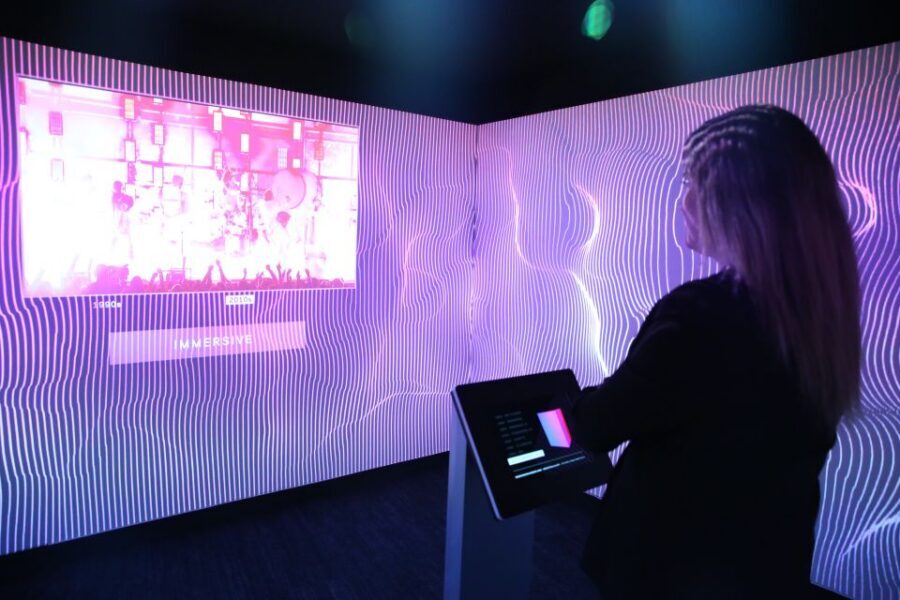
- Mono to Immersive walks you through how sound evolves, including mono to surround
- Luther Vandross: Artistry and Elegance is the special exhibit you’ll likely want to prioritize first
- Rotating artist rooms mean you might see different artist spotlights on your dates
Ray Charles Terrace Photo Stop Before You Enter

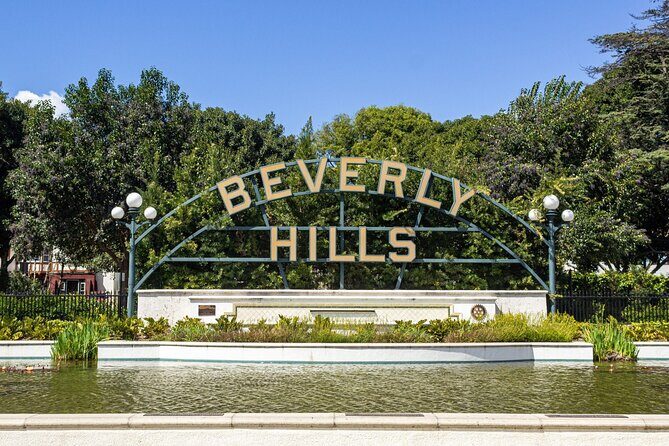
If you’re doing Downtown Los Angeles plus Hollywood, this museum is a smart overlap. Before you even settle into the galleries, you’ve got an easy win: the Ray Charles Terrace is known for photo views of the Hollywood Sign. You don’t need a car, and you don’t need to hunt for a separate viewpoint.
Think of it like this: you start the visit with Los Angeles theater-energy, then the museum switches gears into music history and sound experiments. It’s a clean way to break up the day and avoid making the entire trip feel like one long indoor block.
You can also read our reviews of more tours and experiences in Los Angeles



Ticket Value: What $22 Gets You in a One-Day Visit
The ticket price—about $22 per person—lands in the mid-range for a major LA museum. What makes it feel worth it is the mix of big, ticket-sized attractions and smaller, try-it-yourself moments.
You’re looking at a one-day visit with entry to the GRAMMY Museum and multiple interactive areas across four floors. No guided tour is included, which actually helps if you like moving at your own speed. You can skim the memorabilia galleries quickly, then slow down where you want to experiment with sound.
Still, plan like a real museum stop, not a quick pit stop. Even if you only do the biggest highlights (Sonic Playground plus Mono to Immersive plus the special exhibit), you’ll want enough time to walk at a relaxed pace and re-do the hands-on parts.
Sonic Playground on the Second Floor: Hands-On Music-Making
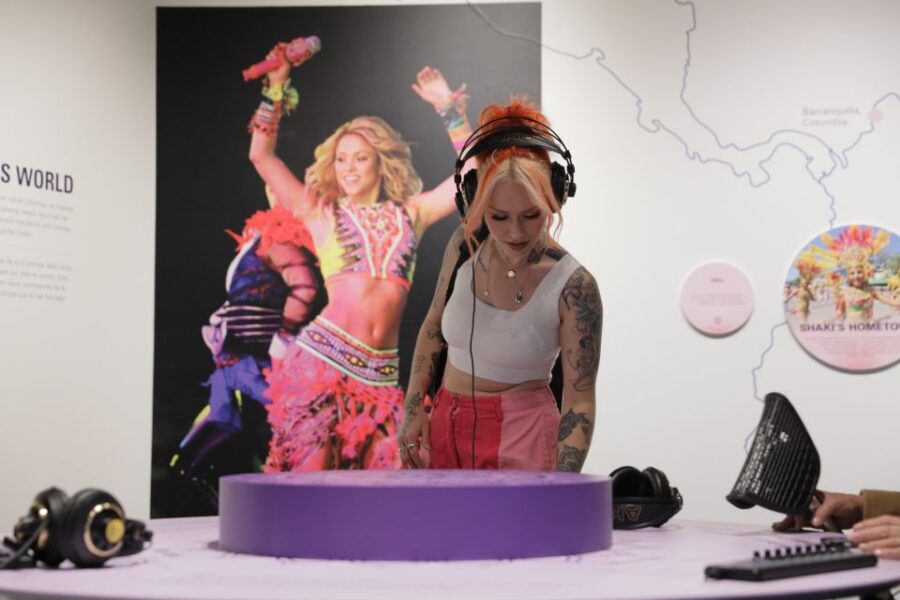
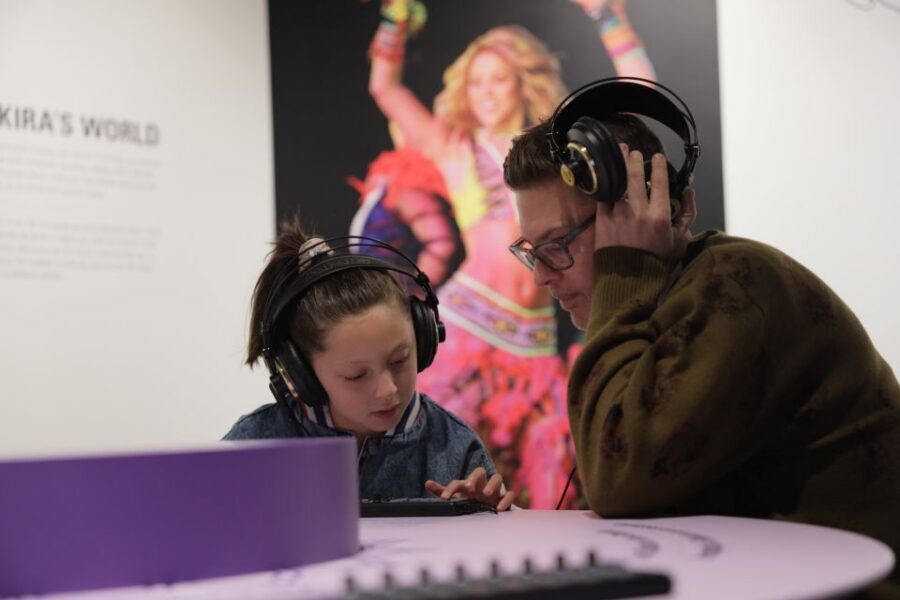
This is the part many people remember most because it doesn’t ask you to just look. The Sonic Playground turns a 3,000-square-foot second-floor gallery into a hands-on zone with 17 unique interactives.
What I like about it for visitors is the way it lowers the barrier to understanding music. You don’t need to know beat structure or production jargon to start playing. You can just try things, hear the difference, and connect cause-and-effect. If you’ve ever wondered what makes a track feel “right,” this is the museum version of that question.
Here’s how I’d approach it: treat Sonic Playground like a playlist you build yourself. Start with the easiest stations first, then move toward the ones that let you shape rhythm, sound, or performance. You’ll naturally spend more time where you’re making choices.
Also, this is where the museum’s tech side feels practical. The interactives are designed so you can compare sounds and experiment without needing a lesson plan.
Four Floors of Memorabilia and Genre Lessons
One of the best practical surprises is how the museum spreads its music memorabilia across four floors. That matters because you’re not stuck seeing only one corner of music. You can sample different eras and styles without feeling like you must commit to one theme.
From what the museum covers, you’ll run into music-making and performance through a mix of categories: genres, artists, and sound design. You’ll also see that the museum isn’t locked into only the Grammys’ brand. It connects the award-winning spotlight to the broader world of music evolution.
A small caution: some visitors feel the museum can look less packed than they expected, with spots that feel lighter than you’d want. If you hate that kind of space (the quiet, empty-wall kind), go in with the expectation that the museum’s energy is concentrated around its interactive anchors and major exhibits rather than every single inch of gallery wall.
Mono to Immersive: Sound Technology From 19th Century to Surround
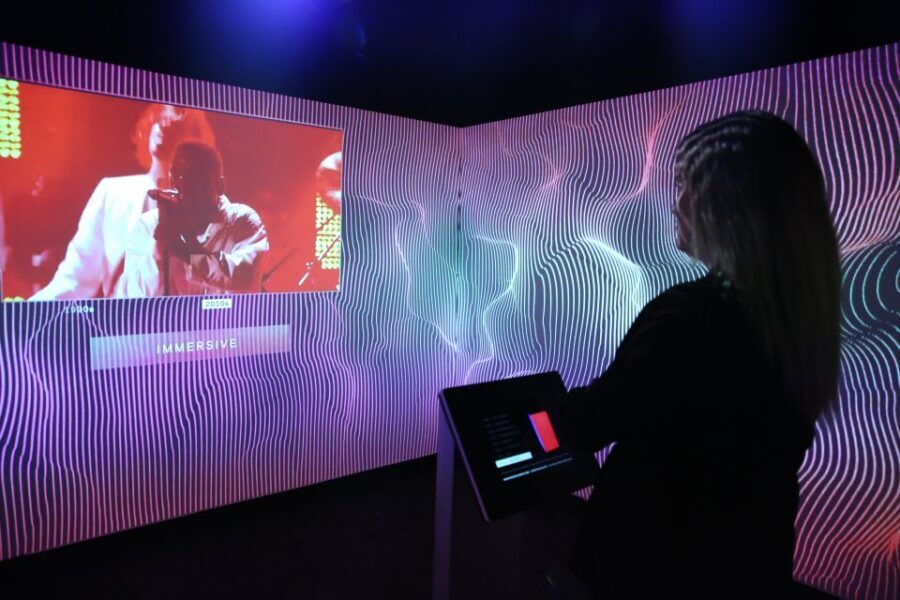
The Mono to Immersive exhibit is the museum’s “how sound works” highlight. It takes you on a journey of sound from earlier eras to modern surround sound.
The way this helps you as a visitor is that it’s not just about music performers. It’s about listening itself. You get a sense of how audio technology changes what you hear—timing, clarity, separation, and overall spatial effect.
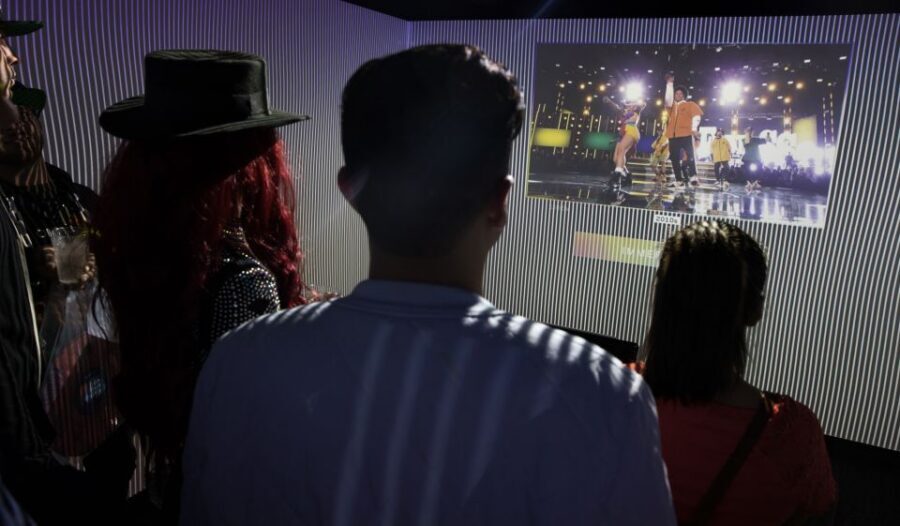
You’ll also notice the exhibit connects to the Grammys timeline, walking through the evolution of the GRAMMY Award from 1959 to today, while you relive recognizable GRAMMY moments. That combination—sound progression plus awards era—helps the museum feel like a timeline rather than a random collection of artifacts.
If you’re the type who likes to understand context, this is your best “learning without reading forever” stop. Spend time here even if you’re not a deep technical listener. The exhibit gives you enough structure to make the sound comparisons meaningful.
You can also read our reviews of more museum experiences in Los Angeles






Special Exhibits Now: Luther Vandross and Rotating Artist Rooms
The special exhibit currently listed is Luther Vandross: Artistry and Elegance. If you’re a fan, this is a must-do first stop. The museum frames him through his work as an eight-time GRAMMY winner and highlights his legacy as a revered songwriter, arranger, producer, performer, and vocalist.
For many people, special exhibitions are where museums feel most alive. They’re less about covering everything and more about saying one focused thing really well. That’s especially true when the exhibit has a clear theme like a single artist’s craft.
One more helpful point: special exhibits rotate. So if you’re visiting with a specific fandom in mind, it’s worth checking what’s running before you go. On some recent visits, the museum has shown other artist-focused spaces, including a BTS-focused area and additional rotating artist displays. Since your visit date determines what’s on view, don’t assume your favorite act will be there unless you check the day-of lineup.
RetroBlakesberg: See Music Through Photographer Jay Blakesberg
Another high-value stop is RetroBlakesberg, centered on photographer Jay Blakesberg. The museum uses his photography lens to connect music history across decades—covering a broad range from blues, folk, and rock ’n’ roll to hip-hop and alternative music.
This exhibit works well because it shows how music can be remembered visually, not just heard. If you’ve ever looked at album covers, tour photos, or backstage portraits and thought about how those images shape your idea of an era, you’ll get that feeling here.
It also gives you a break from the more audio-heavy areas. After Sonic Playground and Mono to Immersive, the photo-driven focus helps your brain switch from sound to story.
Timing Your Visit and Where to Spend Your Energy

You’ve got a one-day ticket, and the museum can easily swallow more time than you plan—mostly because the hands-on spaces invite repeat tries.
Here’s a practical way to pace it:
- Start with the Ray Charles Terrace photo moment so the day feels like it’s already going somewhere.
- Put Sonic Playground early if you want maximum energy, since it’s the kind of activity that works best when you’re fresh.
- Do Mono to Immersive next. It’s structured like a journey, so it helps to keep your attention while you’re still ramping up.
- Save the special exhibit—right now, Luther Vandross—for a time you can slow down and take in carefully.
- Use the remaining time for the memorabilia galleries and RetroBlakesberg.
Don’t underestimate footwear. Bring comfortable shoes. You’ll be on your feet across four floors, and interactive areas tend to have you moving in loops.
Also note one real-world complication: the museum may occasionally close certain sections for private events. That can change your route. If you care deeply about a specific room, build in a little buffer time so a closure doesn’t ruin your visit.
Who This Museum Fits Best (and Who Might Want a Different Plan)
This ticket is ideal if you like music beyond just listening. The museum shines when you enjoy:
- hands-on stations and sound experiments
- genre history mixed with artifacts
- learning that uses your ears and eyes, not just text
It also suits families and friends because it’s interactive without requiring technical knowledge. Even if you’re not a musician, you can have fun shaping sound and getting instant feedback.
If you’re coming only for a strict Grammys-as-an-institution story—how winners are selected, how the show’s process works—you might feel the museum spends more energy on music, sound, and artists than on the awards machinery itself. In that case, you can still enjoy the artifacts and exhibits, but set your expectations accordingly.
Should You Book the Grammy Museum Entry Ticket?
Yes, I think you should book it if you want an LA activity that mixes music history with hands-on learning, and you like the idea of a museum where the big moments are designed for participation—not just observation.
You may want to skip or pair it with something else if you’re mainly hunting for a deep explanation of how the Grammys operate year to year, because the museum’s spotlight leans more toward sound, genres, artists, and technology. Also, if you’re going on a date when sections close for events or when some interactives act up, you’ll want extra time to adapt.
If you’re flexible and you love music in more than one form—listening, production, performance, photos—this is a strong use of a one-day slot in Los Angeles.
FAQ
How much is the GRAMMY Museum entry ticket?
The price is listed as $22 per person.
How long can I spend with this ticket?
It’s valid for 1 day, from first activation.
What’s included in the ticket?
The ticket includes entry to the GRAMMY Museum.
Is the museum wheelchair accessible?
Yes, it’s listed as wheelchair accessible.
What should I bring?
Comfortable shoes are recommended.
Are there any special exhibits?
Yes. The special exhibit currently listed is Luther Vandross: Artistry and Elegance, and the museum’s special exhibits rotate.