REVIEW · LOS ANGELES
Natural History Museum of Los Angeles County Admission
Book on Viator →Operated by LOS ANGELES COUNTY MUSEUM OF NATURAL HISTORY FOUNDATION · Bookable on Viator
Dinosaurs and diamonds in one ticket. This admission ticket really shines because it pairs the T. rex growth series and Dino Lab paleontology moments with the Gem and Mineral Hall and its gemstone vault. One catch: parking in this area can be pricey and sometimes forces a longer walk than you expect.
I love that the visit is flexible. You can move at your pace through dinosaur fossils, evolutionary displays, and hands-on spots for kids, using a mobile ticket that keeps the entry stress low.
In This Review
- Key things I’d plan for
- Natural History Museum of Los Angeles County: a big day for $18
- Dinosaur Hall: T. rex, 300+ fossils, and the Dino Lab effect
- Evolution across 65 million years: mammoths, whales, and dioramas
- Gem and Mineral Hall: diamonds, rubies, sapphires, and a real vault
- Nature Gardens and Nature Lab: native L.A. plants and creatures
- Becoming Los Angeles: history of the city inside the museum
- Timing the add-ons: Dinosaur Encounters and Fierce! The Story of Cats
- How long should you stay, realistically?
- Price and value: what $18 really buys you
- Parking, walking, and getting there without losing the day
- Who this admission ticket suits best
- Should you book this $18 Natural History Museum ticket?
- FAQ
- What is included in the Natural History Museum of Los Angeles County admission ticket?
- Are the Dinosaur Encounters show and the Fierce! The Story of Cats exhibit included?
- How long does the experience take?
- What are the opening hours?
- Is the ticket mobile?
- Can I cancel for a full refund?
- What’s the group size limit per booking?
Key things I’d plan for
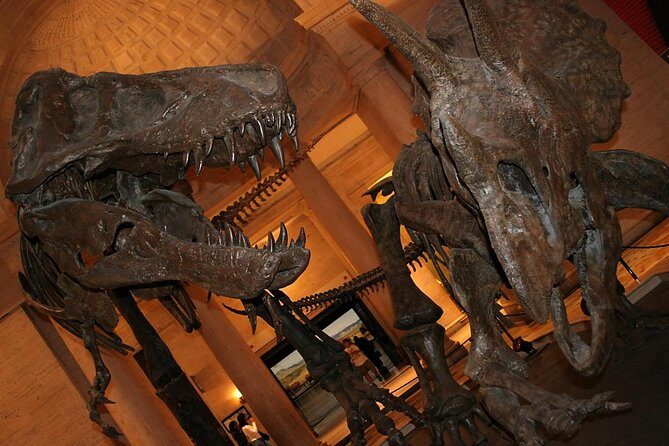
- T. rex growth series plus Dino Lab inside the Dinosaur Hall circuit
- Gem and Mineral Hall vault focused on diamonds, rubies, sapphires, and gold
- 65 million years of evolution with 240 specimens and big skeleton displays
- Nature Gardens and Nature Lab for native plant specimens and native LA creatures
- Family-friendly hands-on moments like dig-style fossil stations and touchable experiences
- Add-ons cost extra if you want the Dinosaur Encounters show or the Cats exhibition
Natural History Museum of Los Angeles County: a big day for $18
This is one of those Los Angeles museums that feels larger on the inside than you’d guess from the outside. For about 3 hours, the included sections give you a full sampler: dinosaurs, evolution, LA nature, and a serious stop in the Gem and Mineral Hall.
At $18 per person, the value comes from what you actually get access to. This ticket isn’t just one themed room. It covers major anchors like the Dino Hall and Gem and Mineral Hall, plus Nature Gardens and the Nature Lab—so you aren’t stuck doing one small loop and leaving feeling like you rushed.
The museum is especially friendly for families. The exhibits are built for all ages, with interactive touches that help kids stay curious without needing constant explanation from adults.
You can also read our reviews of more historical tours in Los Angeles



Dinosaur Hall: T. rex, 300+ fossils, and the Dino Lab effect
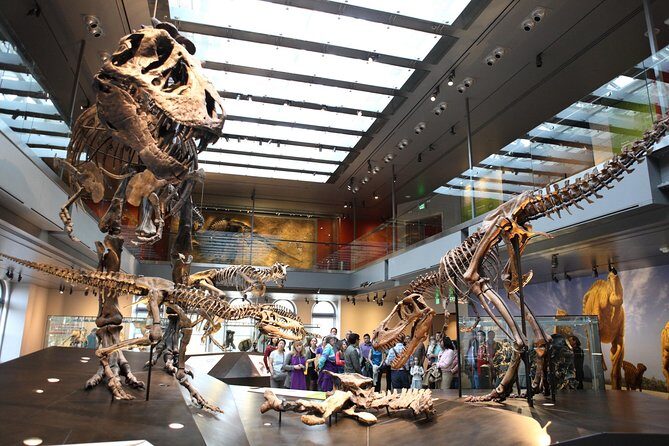
If you’re coming for dinosaurs, this is the right place. The Dinosaur Hall is the core experience here, with access to more than 300 fossils and 20 complete skeletons. That scale matters. It makes the dinosaurs feel like real animals from real science, not just props.
Two dinosaur details I’d prioritize:
- The world’s only T. rex growth series, which shows how scientists track growth patterns over time. It’s a rare chance to think beyond the single movie version of a T. rex.
- The Dino Lab style behind-the-scenes experience. You get a sense of how paleontologists work and how discoveries turn into displays.
You’ll also find virtual excavation-style activities and fossil-themed interactive areas. In particular, I like that some kid-focused stations are set up so children can participate without needing a long explanation—think dig-table style stations where kids can search for dinosaur fossils.
One more practical tip: build in a little time buffer around the Dino Hall. This is where people naturally slow down, take photos, and read signs closely. That’s good. Just don’t schedule your whole day like it’s a timed race.
Evolution across 65 million years: mammoths, whales, and dioramas
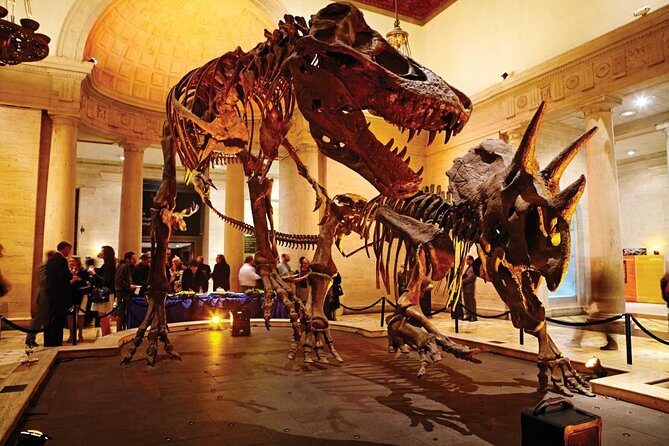
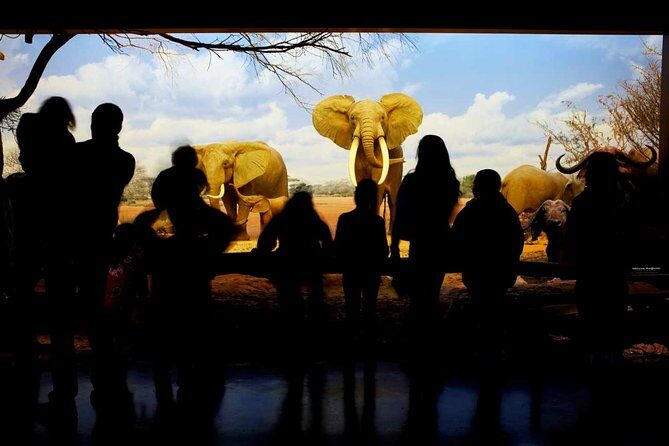
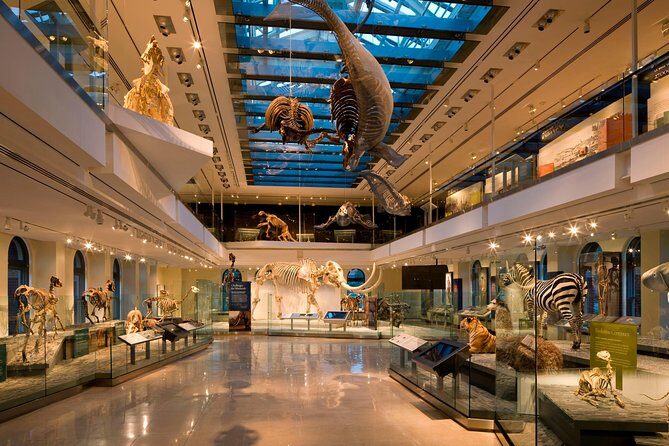
After you finish the dinosaur area, the museum shifts gears into a wider story of life. You’ll move through 65 million years of evolution, told through 240 specimens, animal dioramas, and major skeletons like mammoths and whales.
What makes this section worth your time is the way it connects different time periods. A kid might start at dinosaurs and end up fascinated by how animals adapted, moved, or survived through dramatic changes.
The animal dioramas are a nice mid-day reset from heavy fossil crowds. They’re easier to scan than huge skeleton halls, and they give you a chance to talk about habitats and behavior without getting stuck in only one era.
Also, since this is a museum with many rooms, you can treat this as your flexible middle. If your family is tired of dinosaur reading, this section still keeps the science theme going while giving your eyes a break.
Gem and Mineral Hall: diamonds, rubies, sapphires, and a real vault
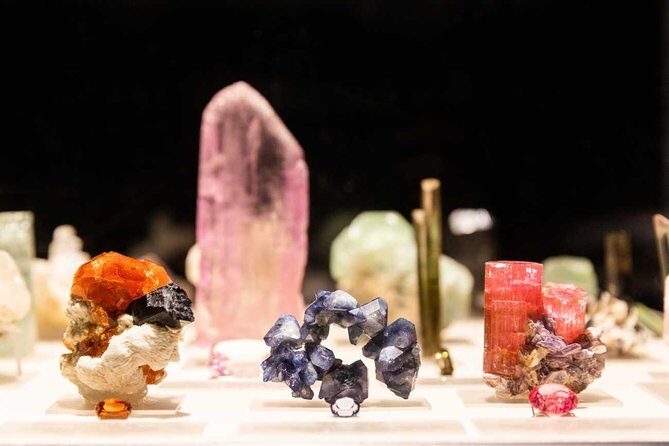
The Gem and Mineral Hall is where the museum turns into a different kind of wow. This ticket includes access to a hall with more than 2,000 individual gemstone specimens and a special vault featuring diamonds, rubies, sapphires, and gold.
Even if you’re not a rock person, the scale and variety work. You see how color, sparkle, and structure show up across lots of specimens, not just a single dramatic stone. It also helps kids understand that science isn’t only bones and dinosaurs.
If you like souvenirs, bring patience. Some visitors end up wanting to re-read labels and stare longer than they planned. If you have a limited amount of time, give the gems a set amount of time first, then decide if you want a second pass.
One small thing to plan for: gem halls can feel like the most photo-heavy area of the museum. If you want quieter looking time, visit earlier in your day.
Nature Gardens and Nature Lab: native L.A. plants and creatures
One reason this museum works so well for families is that it doesn’t stop at ancient history. The ticket also includes:
- Nature Gardens, with native plant specimens
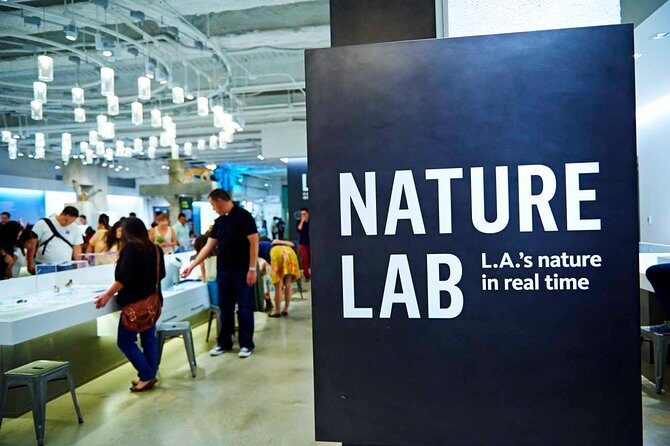
- Nature Lab, featuring native L.A. creatures
This is a great contrast to the fossil-heavy rooms. You go from deep time to your own region’s wildlife and plants. Kids often get a different kind of excitement here—less roar-and-teeth, more what-would-it-look-like-here.
I also like that this part of the museum can feel more hands-on in spirit, even if not every exhibit is touchable. You’re encouraged to slow down and observe, which helps keep the energy level steady after the busy dinosaur and gem halls.
If your group includes younger kids, Nature Gardens can be a good place to take a breath. It’s often easier to keep attention because the exhibits are smaller and more immediately connected to real local nature.
You can also read our reviews of more museum experiences in Los Angeles




Becoming Los Angeles: history of the city inside the museum
Another included highlight is the Becoming Los Angeles exhibit. It’s not just nature and ancient life. It also traces how Los Angeles went from a pueblo to a sprawling metropolis.
For me, this section is a reminder that museums can help you read your destination. You’re not only visiting a building full of artifacts—you’re learning how the city itself grew. It also gives adults a topic to share while kids are still looking around at other things.
If you’re short on time, you can skim this one. If you’re interested in the LA angle, take a bit longer here because it helps tie the museum’s nature theme back to the place you’re standing in.
Timing the add-ons: Dinosaur Encounters and Fierce! The Story of Cats
This ticket includes a strong base, but two big extras are not included:
- Dinosaur Encounters show (available as an add-on ticket on site)
- Fierce! The Story of Cats (a special exhibition with separate ticket purchase on site)
The Cats exhibition runs from July 13 through February 18, 2026. It’s described as hands-on and immersive, and it focuses on everything from sabertooths to household cats, including evolution, biology, and the connection between cats and humans. Since it requires a separate ticket, plan your schedule so you don’t feel rushed when you reach it.
For the Dinosaur Encounters show, check the timing once you’re inside. If you’re traveling with kids who love structured events, the show can be a good anchor in your day.
Important practical note: the museum has long opening hours (generally 9:30 AM to 5:00 PM), but special days can be different. If you’re visiting around a big event nearby or you need the day to go smoothly, it’s smart to confirm the hours once you’re in town before you set your expectations.
How long should you stay, realistically?

The ticket is set up for about 3 hours, and that can work if you focus. Here’s the reality: the museum is large, and you can easily get pulled into reading labels, watching displays closely, and repeating the same kid-friendly stations.
If you’re aiming for a clean 3-hour visit, I’d prioritize:
- Dinosaur Hall highlights first (including the T. rex growth series and Dino Lab moments)
- Evolution section second
- Gem and Mineral Hall last, because it’s satisfying even when you’re tired
- Nature Gardens and Nature Lab as either your warm-down or warm-up depending on the energy in your group
If your family loves hands-on activities, you might stretch closer to a half day-plus. Some families end up wanting a second visit because there’s simply too much to take in slowly the first time.
Price and value: what $18 really buys you
$18 per person is a fair price for what’s included here: major halls and multiple anchor exhibits, not a token entry to one corner of the museum.
The best value shows up when you:
- Want to see both dinosaurs and gems in the same day
- Prefer a self-paced plan rather than waiting for multiple separate paid experiences
- Are traveling with kids who benefit from interactive stations
Where value can feel weaker is when you add the optional shows and special exhibitions. If you’re planning to do both Dinosaur Encounters and Fierce! The Story of Cats, budget for extra on-site tickets.
Still, even if you skip the add-ons, this base admission is a complete museum circuit with lots of variety.
Parking, walking, and getting there without losing the day
This is the part I’d treat like a real checklist item, not an afterthought. Several visits point to parking being expensive, and sometimes parking is farther than it looks—especially when construction or nearby events shift traffic patterns.
My advice:
- If you can, use public transportation. It avoids the whole parking-stress chain.
- If you drive, give yourself extra time for walking, and plan snacks and patience in the car in case it takes longer than expected.
- If you’re traveling with seniors or anyone with limited mobility, don’t assume the closest parking option will be available.
Even when the museum visit itself is smooth, the walk to the museum can make the day feel longer. Getting this right improves everything else, including how much energy you have for the hands-on areas.
Who this admission ticket suits best
This is a strong choice if:
- You want dinosaurs plus multiple other science-focused halls
- You’re bringing kids and want interactive, age-friendly stops
- You like mixing ancient specimens with modern regional nature
- You’re visiting Los Angeles for the first time and want a high-impact museum day
It’s also a good solo or couple option if you enjoy structured exhibits and don’t mind walking. The museum layout helps you move between themes without feeling like you’re crossing the building in the dark.
Should you book this $18 Natural History Museum ticket?
Yes, if you’re looking for a solid, self-paced museum day with big headline exhibits and clear variety. For $18, you’re getting access to major anchors like the Dinosaur Hall, Gem and Mineral Hall, Nature Gardens, and Nature Lab, plus key exhibits like Becoming Los Angeles.
I’d book especially if you’re traveling with children or anyone who loves dinosaurs, fossils, and sparkling minerals. The day is easy to personalize: focus on dinosaur halls, or spread out into evolution and LA nature, and add the shows only if they fit your schedule.
If your main goal is one specific add-on like the Dinosaur Encounters show or the Cats special exhibition, then treat this as the base ticket and confirm show and exhibit timing once you’re there so you don’t end up scrambling with separate schedules.
FAQ
What is included in the Natural History Museum of Los Angeles County admission ticket?
The ticket includes admission to the Dino Hall, Diorama Halls, Gem and Mineral Hall, Nature Gardens, and Nature Lab.
Are the Dinosaur Encounters show and the Fierce! The Story of Cats exhibit included?
No. The Dinosaur Encounters show and the Fierce! The Story of Cats exhibition require separate add-on tickets that you can purchase on site.
How long does the experience take?
Plan for about 3 hours (approx.).
What are the opening hours?
The museum is listed as open 9:30 AM to 5:00 PM, Monday through Sunday.
Is the ticket mobile?
Yes, the experience includes a mobile ticket.
Can I cancel for a full refund?
Yes. You can cancel up to 24 hours in advance for a full refund.
What’s the group size limit per booking?
A maximum of 9 people per booking is listed.