REVIEW · LOS ANGELES
Los Angeles: Downtown History & Architecture Walking Tour
Book on GetYourGuide →Operated by Touch Down in LA · Bookable on GetYourGuide
DTLA has stories in every façade. This Downtown History & Architecture Walking Tour uses a Belgian guide to connect architecture with city life, film culture, and global influences. You’ll also get a conversational format, so questions and small detours are part of the fun.
I love the architecture-and-movie storytelling and the way it turns landmarks into living context. I also like that you get real time at photo-ready icons like Bradbury Building and the quirky Last Bookstore.
One consideration: plan for steady walking for 150 minutes, and it may run a little past the advertised time.
In This Review
- Key things to know before you go
- DTLA architecture feels like a plot twist, not a textbook
- Starting near LA Central Library: fast orientation, low friction
- Angels Flight and Bunker Hill: where the neighborhood layers show up
- Grand Central Market: a short stop that adds real texture
- Broadway Theater District: movie palaces and the city behind the glamour
- Bradbury Building: Art Deco charm with a film-set quality
- The Last Bookstore: a quirky culture stop with staying power
- How the walk stays interesting: the guide’s conversational format
- Practical tips so the 150 minutes feel easy
- Where you’ll end up: drop-offs back in the central area
- Is this DTLA walking tour worth the $30?
- Who should book, and who might skip it
- Should you book this Downtown LA history and architecture walk?
- FAQ
- How long is the Downtown LA History & Architecture Walking Tour?
- How much does the tour cost?
- Where does the tour start?
- Where does the tour drop off?
- Which landmarks and areas are included?
- What languages does the guide speak?
- What should I bring for the walking tour?
- Is the tour suitable for kids or people who use wheelchairs?
- Can I cancel, and do I pay now or later?
Key things to know before you go
- Belgian, European perspective: you’ll hear LA framed through a broader lens, not just local lore
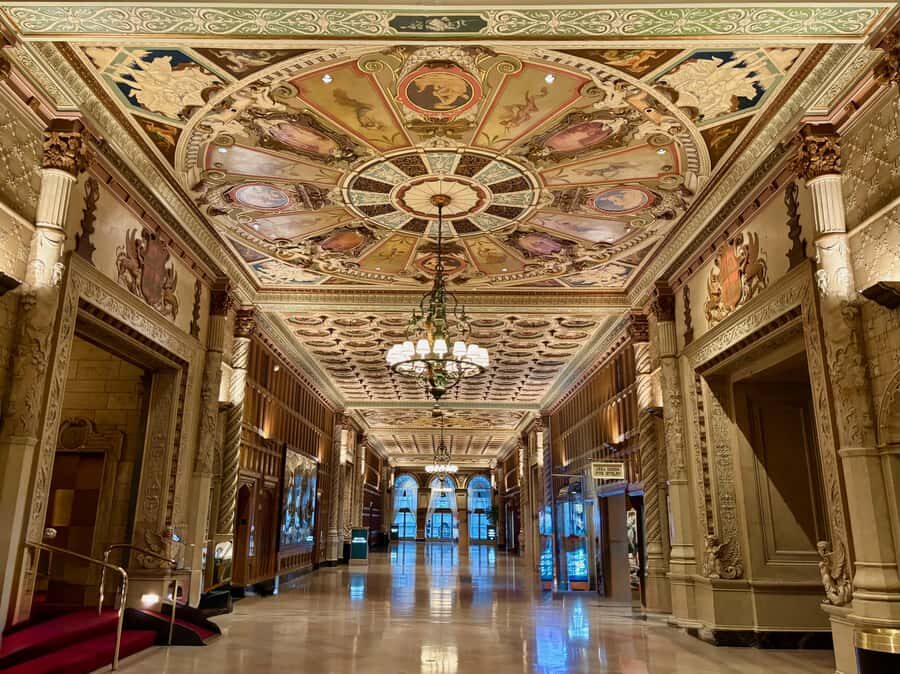
- Architecture styles up close: Art Deco, Beaux-Arts, and Modernist details come into focus
- Pop-culture street echoes: the tour ties places to names like Chaplin, JFK, Michael Jackson, Taylor Swift, and Jisoo
- Great photo moments: the Bradbury Building and Last Bookstore are built for camera time
- Talky, not lecture-y: urban design, politics, and city life show up in the discussion
- Easy access: the starting area is near the 7th Street Metro station and LA Central Library
DTLA architecture feels like a plot twist, not a textbook

Downtown LA is one of those places where the buildings do more than sit there—they carry stories. This tour leans hard into that idea, using major architectural styles like Art Deco and Beaux-Arts and then tying them to why LA grew the way it did.
The big win is that the guide doesn’t treat LA like a finished product. It’s more like a working draft. You’ll talk about what city design choices do to daily life, and you’ll connect the visuals on the street to bigger themes: power, planning, public space, and culture.
And yes, the tour keeps one foot in Hollywood. Expect links to film history and pop culture references—from Chaplin to JFK to music and screen icons like Michael Jackson, Taylor Swift, and Jisoo—woven into what you’re seeing and what those places have been used for.
You can also read our reviews of more walking tours in Los Angeles



Starting near LA Central Library: fast orientation, low friction
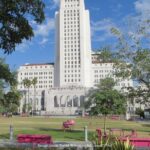
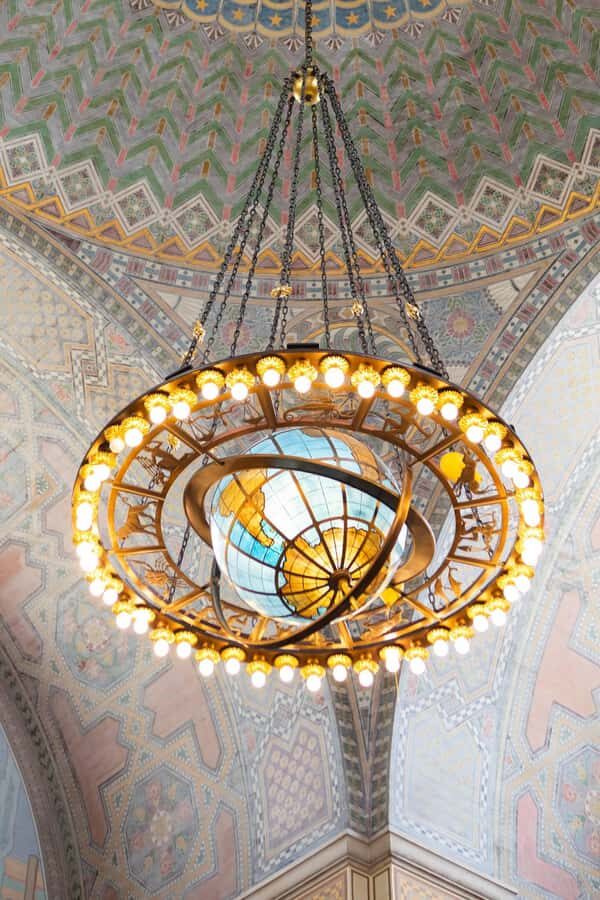
Your tour begins in the heart of the action, with starting options that put you near major transit and easy landmarks. One common meet-up point is Los Angeles Central Library, right by the 7th Street Metro station, which is perfect if you want to skip car stress.
The Central Library area is a smart launch pad because it instantly signals what kind of tour this is. You’re not starting at a random corner. You’re starting where LA’s civic image, design ambition, and visitor-friendly vibes all overlap.
What I like about a starting point like this is simple: you can show up, get your bearings fast, and start walking with a clear sense of direction. That matters because the tour moves through several distinct DTLA “moods” (theater district glamour, hillside history, and the more creative downtown pulse).
Angels Flight and Bunker Hill: where the neighborhood layers show up
After you get rolling, the walk includes Angels Flight Railway and the surrounding area tied to historic Bunker Hill. This is a good section for two reasons.
First, it’s a physical reminder that DTLA is built on layers—literally. Hills, grade changes, and street angles shape how people move and what they notice. Second, it’s an ideal setup for the kind of architecture talk this tour excels at: you get context for why buildings and streets look the way they do.
Even if you don’t know DTLA history yet, this portion helps you “read” the city. You start noticing how the same downtown blocks can feel completely different depending on where you stand, what level you’re on, and what story the guide is connecting to your view.
Photo tip: be ready at Angels Flight for quick shots with good lines. The vantage changes are part of what makes the photos look like they belong in a film still.
Grand Central Market: a short stop that adds real texture
The route includes Grand Central Market for a brief pause. This isn’t a long food excursion, but it works as a texture builder.
Markets matter in downtown history because they show how people gather—locals, workers, visitors, and communities—at the street level. In a tour focused on architecture, a short market stop helps keep the story grounded. It’s where you can connect what the buildings are for to what people actually do.
Even if you don’t plan to buy anything (time matters on a structured walk), just spending a few minutes here makes the surrounding downtown feel more human. The architecture talk lands better when you’ve just looked at where everyday life concentrates.
Broadway Theater District: movie palaces and the city behind the glamour
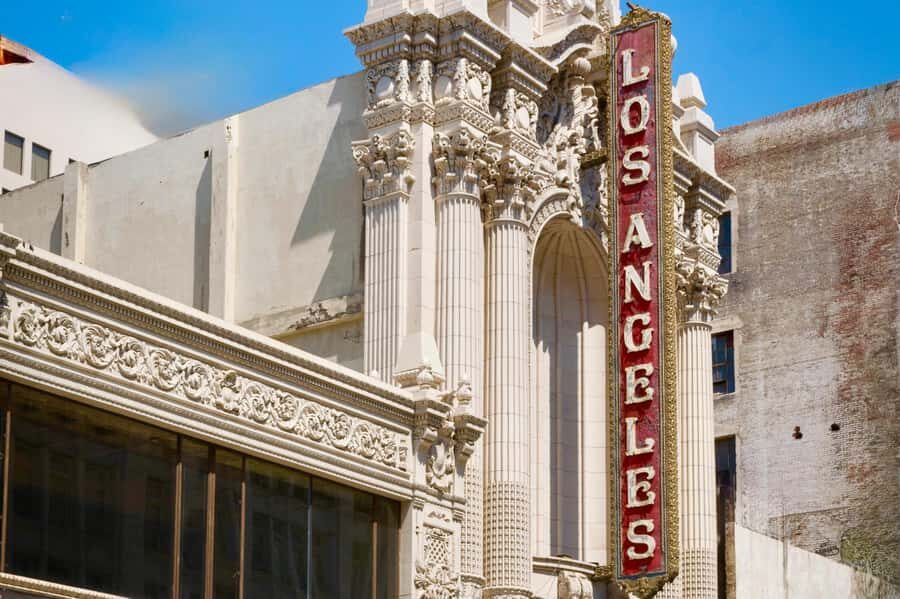
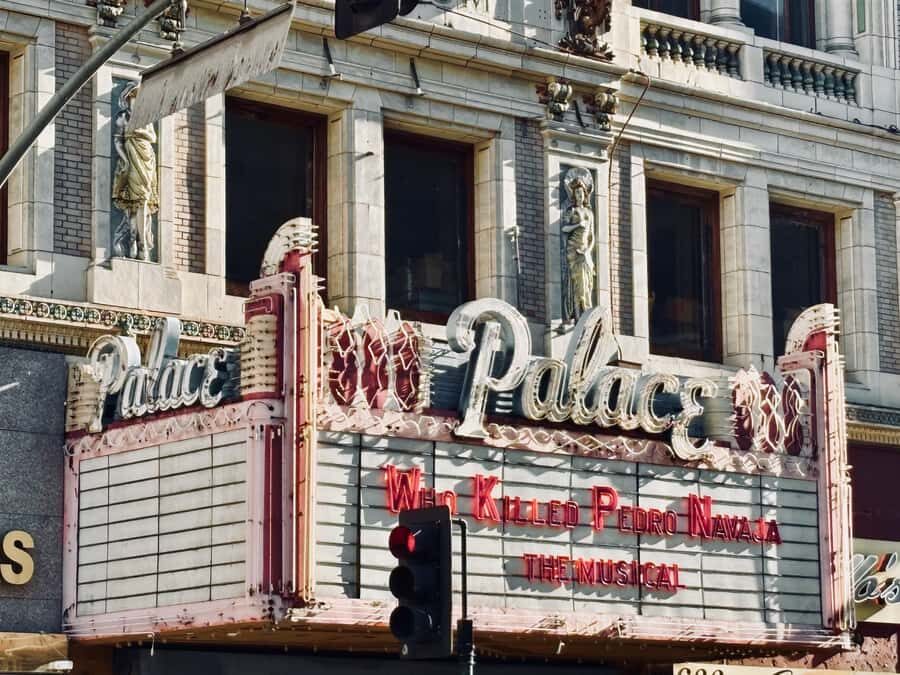
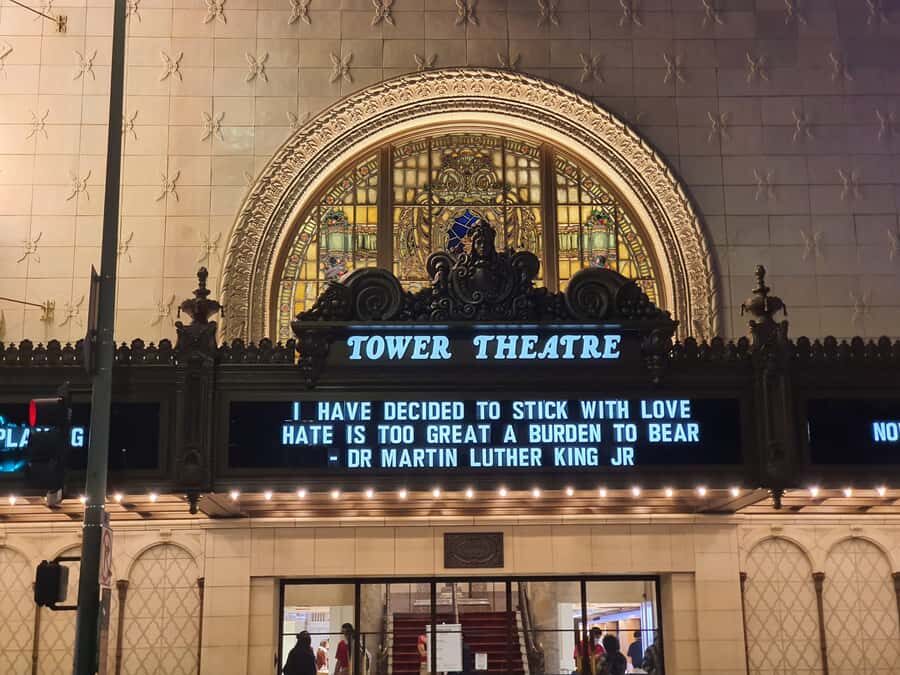
One of the core themes is the Broadway Theater District, known for a dense concentration of classic movie palaces. This is where the tour’s “architecture plus Hollywood” approach turns into something you can actually feel.
You’ll walk through the commercial and theater energy that echoes the past, including the 1920s-style glamour-and-grit vibe that shaped LA’s film identity. The guide also uses these stops to talk about the social side of downtown: what public spaces do, how design supports—or fights—human movement, and how city priorities shift over time.
This section is also where some of the most interesting big-picture conversation happens. Expect discussions that connect urban design choices to real life, not just aesthetics. The tour tends to land on questions like: Who gets access to great public areas? How do politics and planning influence what gets built and what gets preserved?
If you like watching a city through both a cultural and structural lens, this part is a highlight.
You can also read our reviews of more historical tours in Los Angeles


Bradbury Building: Art Deco charm with a film-set quality
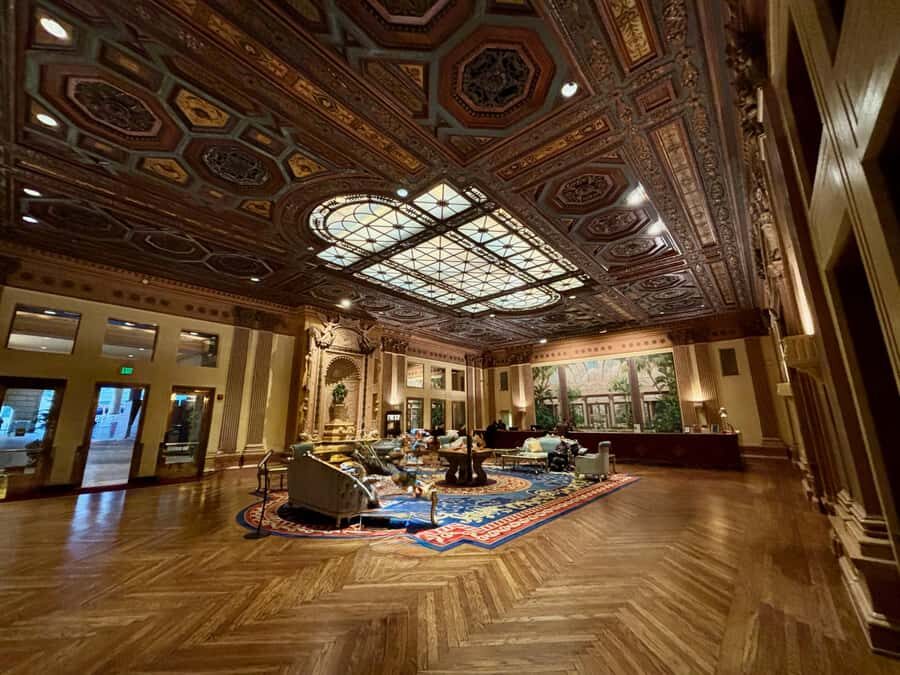
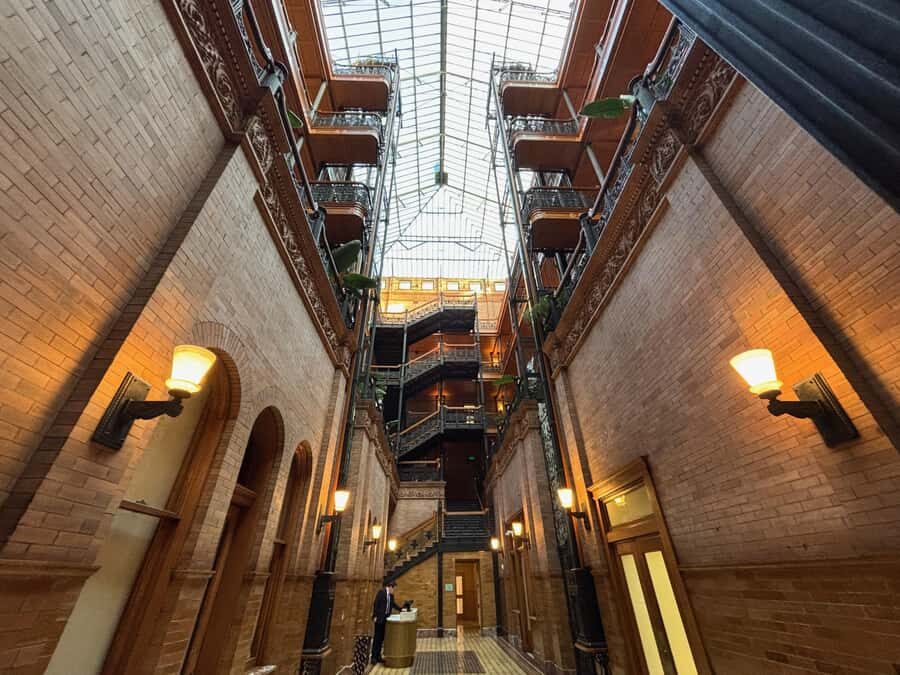
The Bradbury Building stop is a big one, and it’s easy to see why. The tour gives you dedicated time—about 20 minutes—to look closely and take photos.
This is the kind of location where architecture isn’t background scenery. It’s the main character. The building’s design details help explain why downtown has always been attractive to filmmakers, photographers, and anyone chasing that dramatic “old LA” feeling.
What makes this stop especially valuable on a guided walk is the explanation style. Instead of just listing features, the guide connects design choices to function and atmosphere. You come away understanding what makes a space feel theatrical, how materials and layout affect the mood, and why certain buildings become visual symbols for the city.
Bring your camera. You’ll want a few angles, not just one quick shot.
The Last Bookstore: a quirky culture stop with staying power
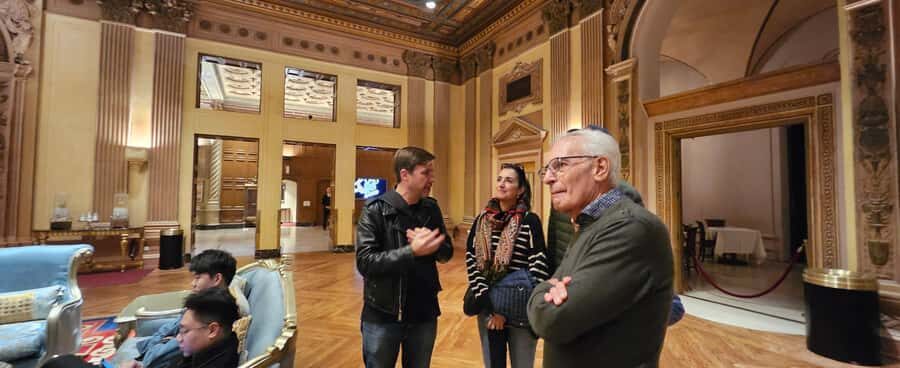
Another standout is time at The Last Bookstore. You get about 20 minutes here, and it’s a perfect match for the tour’s broader theme: downtown LA isn’t only about grand monuments. It’s also about weird, independent, creative spaces that shape the city’s identity.
This stop adds contrast after more formal architecture and historic streets. It helps you see downtown as a mix—civic ambition, film gloss, and the creative underside that keeps LA from feeling like a theme park.
If you enjoy places that feel personal and slightly offbeat, you’ll probably spend your time more thoughtfully than you expected. The guided look keeps it from turning into a random browsing session.
And yes, it’s also a good photo stop. The shop has the kind of visual character that reads well in pictures, even if you only capture a couple of details.
How the walk stays interesting: the guide’s conversational format
A lot of history tours fall into the trap of one-way storytelling. This one tries to avoid that. The guide keeps things interactive, with space for your questions and curiosity to shape the pacing.
That matters because downtown LA can feel complicated fast. A conversational approach helps you connect the dots without forcing you to memorize timelines. It also means you’re more likely to talk about what you care about: architecture, film culture, city planning, or how public life works in practice.
In at least one recent group, the guide was Mark, and the style described was energetic, story-driven, and strong on linking movie history to the street-level setting. Another standout detail from feedback: the guide’s European-born background adds a cool “two-cultures” angle on how LA became the kind of global city it is today.
Practical tips so the 150 minutes feel easy
This tour is set up as a walking experience, so you’ll want to treat it like one.
Bring comfortable shoes first. Then add water and consider sunscreen and a hat because downtown sun can hit hard between stops. A camera is also worth it for Bradbury Building and the Last Bookstore.
Weather matters too. If it’s hot or bright, dress for it. If it’s cooler, you can layer without fuss. The tour’s outdoors time means you’ll feel conditions more than you would in a museum.
Also plan for a bit of timing slack. One note to keep in mind: some groups have experienced the tour running longer than the advertised window. If your day is tightly scheduled, give yourself a buffer at the end.
Where you’ll end up: drop-offs back in the central area
The tour finishes with drop-off options that keep you close to transit and key hotels. Depending on the option you book, you may be dropped back near Los Angeles Central Library or at Hotel Per La, Autograph Collection.
That’s a practical detail. It means you can keep exploring downtown right away without a long commute to get back to your next stop.
Is this DTLA walking tour worth the $30?
At $30 per person for about 150 minutes, you’re paying for three things at once: a live guide, a focused walking route, and time at iconic stops.
If you’re the kind of traveler who likes to connect architecture to real life—how cities grow, how politics shapes streets, and why film culture finds certain buildings—this price usually makes sense. You’re not paying for a single exhibit. You’re paying for guided interpretation across multiple landmarks and styles.
If you only want quick photos with zero context, $30 might feel like “too much for a walk.” But if you want the why behind what you’re seeing, the structure works. The guide’s conversational pacing and the mix of downtown theaters, Bunker Hill context, and photo-ready architecture stops give you a full, coherent story in one session.
Who should book, and who might skip it
This tour is a good fit if you:
- want architecture details explained in plain language
- like movie history tied to real places
- enjoy city design talk—how planning affects daily life
- want photo time at major DTLA landmarks
It’s not a great fit if you:
- have mobility impairments or use a wheelchair (it isn’t suitable)
- are traveling with children under 6 years (not suitable)
And because it’s a sustained walk, it’s best when you’re ready for steady movement and standing around for short guided stops.
Should you book this Downtown LA history and architecture walk?
If your ideal LA day includes classic downtown architecture, theater district energy, and a guided connection to movie-and-pop-culture references, I’d book it. The $30 price feels fair for the time you get and the guided attention you’ll receive at places like the Bradbury Building and the Last Bookstore.
If you hate walking, want zero discussion, or need accessibility support that this route can’t accommodate, you’ll likely be happier with a different format—something less movement-heavy. But for the rest of us, this is a smart way to turn DTLA from a blur into something you can actually explain to a friend.
FAQ
How long is the Downtown LA History & Architecture Walking Tour?
The tour lasts 150 minutes.
How much does the tour cost?
It costs $30 per person.
Where does the tour start?
Meeting point can vary based on the option booked. Options include Los Angeles Central Library (near the 7th Street Metro station) and Grand Central Market Parking Garage.
Where does the tour drop off?
Drop-off options include Los Angeles Central Library and Hotel Per La, Autograph Collection.
Which landmarks and areas are included?
You’ll visit and focus on downtown areas such as the theater district and Bunker Hill, plus specific stops including Los Angeles Central Library, Angels Flight Railway, Grand Central Market, the Bradbury Building, and The Last Bookstore.
What languages does the guide speak?
The live guide speaks English and French.
What should I bring for the walking tour?
Bring comfortable shoes, a hat, a camera, sunscreen, and water.
Is the tour suitable for kids or people who use wheelchairs?
It is not suitable for children under 6 years, people with mobility impairments, or wheelchair users.
Can I cancel, and do I pay now or later?
Free cancellation is available up to 24 hours in advance for a full refund. You can also reserve now and pay later, keeping your plans flexible.