REVIEW · LOS ANGELES
Historic Hollywood Boulevard and Movie Palaces Walking Tour
Book on GetYourGuide →Operated by Touch Down in LA · Bookable on GetYourGuide
Hollywood’s movie magic is better on foot. In 150 minutes, you hit the Hollywood Sign views and then walk the Walk of Fame while a local guide explains how these places became legends.
I especially like the way the tour blends famous names with real stories about theaters and Hollywood’s key players. One possible drawback: you’re on sidewalks for a steady stretch, so bring comfortable shoes and expect a workout in the California sun.
In This Review
- Key things to know before you go
- Hollywood Boulevard on a Timer: 150 Minutes That Actually Covers the Icons
- Meeting at 6815 Hollywood Blvd: The Easiest Way to Start Right
- Hollywood Sign: Hollywoodland to Restoration, in One Picture-Friendly Stop
- Hollywood Boulevard: From Quiet Street to Theater District
- Hollywood Walk of Fame: Stars, Categories, and a Few Fun Rules
- Grauman’s Egyptian Theatre and the Old Red Carpet Era
- Dolby Theatre and TCL Chinese Theatre: Movie Palaces as a Celebrity Machine
- Musso & Frank Grill: The Hollywood That Shows Up Between Headlines
- Hollywood Roosevelt Hotel: Spanish Colonial Glamour and an Academy Awards First
- Guides Can Make or Break It: Éloi and Mark as Examples
- Price and Value: Why $35 Makes Sense for This Route
- Practical Tips That Keep the Tour Fun, Not Exhausting
- Should You Book This Hollywood Boulevard and Movie Palaces Walking Tour?
- FAQ
- How long is the Hollywood Boulevard and Movie Palaces walking tour?
- How much does the tour cost?
- Where do we meet for the tour?
- What are the main highlights of the tour?
- Is there a live guide, and what languages do they speak?
- Is there a private group option?
- What should I wear or bring?
- Is free cancellation available?
Key things to know before you go
- Hollywood Sign photo start with context: you learn how it began as Hollywoodland in 1923 and why it survived long enough to get restored.
- Walk of Fame, explained simply: origins from 1960 plus what kinds of stars are honored (not just movie stars).
- Three movie-palace stops, one route: Grauman’s famous theater legacy shows up in Egypt, Dolby area, and TCL Chinese Theatre.
- Old Hollywood food and film culture stories: you’ll hear the Musso & Frank Grill tale tied to fettuccine Alfredo.
- A dramatic finish at the Hollywood Roosevelt: Spanish Colonial Revival glamour and Hollywood’s first Academy Awards connection.
Hollywood Boulevard on a Timer: 150 Minutes That Actually Covers the Icons
This is a focused walking tour for anyone who wants the big Hollywood hits without trying to map it all yourself. The time is tight on purpose: 2.5 hours is long enough to learn names and history, but short enough that you’re not stuck in a half-day slog.
You should think of it as two things at once. First, it’s a sightseeing route through the most famous movie-addresses on Hollywood Boulevard. Second, it’s a story route. The guide helps you connect the dots: the Hollywood Sign’s origin, the Walk of Fame’s rules and categories, and why these theaters became the stages where fame was made official.
The value here isn’t just that you visit famous landmarks. It’s that you get the “why” behind them, plus a walking plan that keeps you from wandering around and guessing where to look first.
You can also read our reviews of more walking tours in Los Angeles


Meeting at 6815 Hollywood Blvd: The Easiest Way to Start Right
You’ll meet at 6815 Hollywood Blvd, in front of the elevator at the entrance to the Metro Station Hollywood/Highland. That sounds specific because it is. Arrive about 15 minutes early so you’re standing in the right spot before the group funnels in.
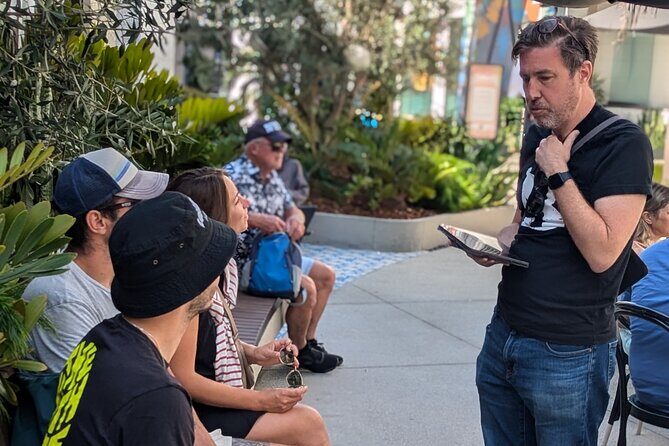
A small group setting helps here. When the group stays tight, it’s easier to hear the guide and ask questions without shouting over traffic. If you like a bit of back-and-forth (instead of a one-way lecture), this format works well.
Also, take a moment before you move. Do a quick scan for the street layout and where the major theater facades sit. Even if you’re a first-timer, you’ll get your bearings fast once you’re walking with a plan.
Hollywood Sign: Hollywoodland to Restoration, in One Picture-Friendly Stop
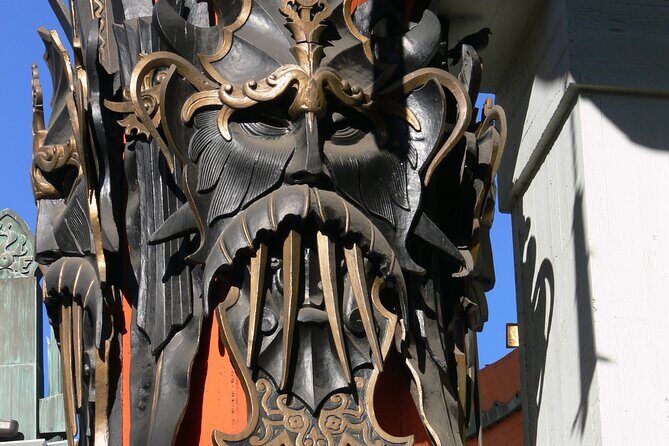
The tour begins with panoramic views of the Hollywood Sign, originally built in 1923 as Hollywoodland. That detail matters because it explains why the sign you see today wasn’t always meant to be permanent.
What I love about this stop is the timeline. You hear how the sign evolved over the years and how it faced near-demolition before restoration. The story includes major Hollywood-era figures like Alice Cooper and Hugh Hefner, which adds a very human angle to something that looks purely symbolic from far away.
Practical tip: treat this as your best chance for photos before the crowds thicken. If you want a clean shot, arrive ready. The guide’s timing helps, but you still want to move quickly once you’re in the best viewing spot.
Hollywood Boulevard: From Quiet Street to Theater District
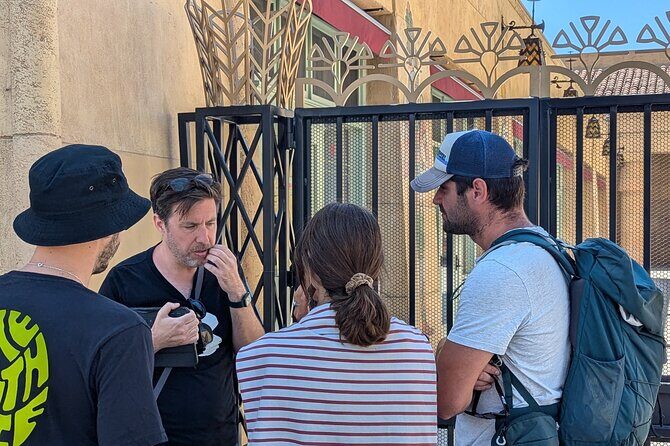
After the sign, the tour shifts into “Hollywood Boulevard as it got built into Hollywood.” You’ll stroll along the boulevard to trace how it transformed from a quieter street into a theater district with its own architectural personality and celebrity gravity.
This is where you start to notice the building shapes and the way theaters line up like landmarks you can’t unsee once you’ve looked. The guide also shares stories about booms and revitalizations, which helps the boulevard feel less random and more like a planned stage over decades.
There’s a reason this part is valuable even if you already know the basics. When you understand the boulevard’s ups and downs, the movie palaces stop being just pretty facades. They become evidence of how Hollywood did business: public glamour first, real attention second, repeat until it became tradition.
Hollywood Walk of Fame: Stars, Categories, and a Few Fun Rules
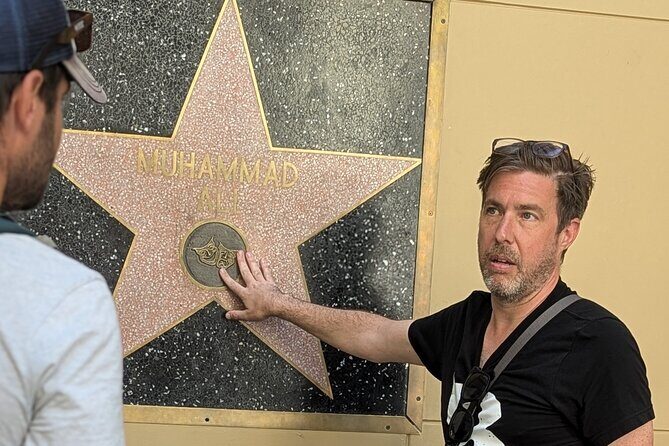
The Hollywood Walk of Fame stop is where most people expect names and glitter. You get that, but the smarter part is learning how it works.
You’ll walk the stars and learn about the Walk of Fame’s origins in 1960. Then the guide explains that the stars aren’t only reserved for movie legends. You’ll hear about stars that honor musicians, radio personalities, and fictional characters too, including examples like Mickey Mouse and Godzilla.
That matters because the Walk of Fame can feel chaotic if you only search for the one famous person you already know. Once you understand the categories and why different kinds of entertainment get represented, the sidewalks start to make sense.
Also, keep your expectations realistic. This is a high-traffic area. Even with a guide, you’ll be sharing the space with plenty of people. If you want the best experience, don’t try to photograph everything. Pick a few star clusters, read the names, and let the guide’s stories turn the list into a timeline.
You can also read our reviews of more historical tours in Los Angeles


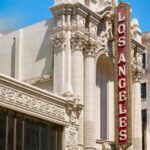
Grauman’s Egyptian Theatre and the Old Red Carpet Era
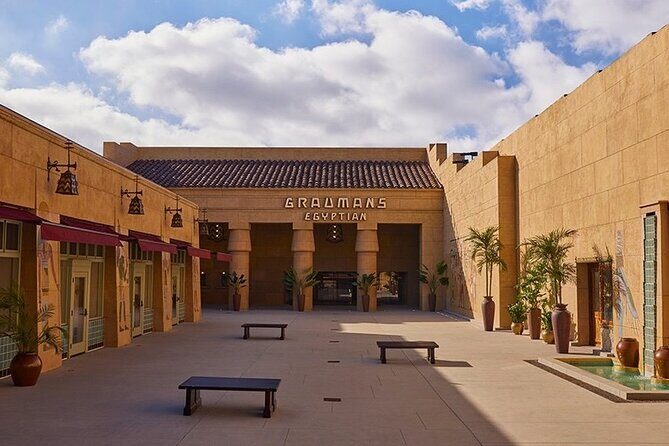
Next up is a stop for Grauman’s Egyptian Theatre, a Hollywood landmark since 1927. You’ll get the angle that this is part of the Hollywood machinery that turned premieres into events.
What I find most useful here is the theater context. It’s not just a building; it’s tied to what Hollywood needed to sell: spectacle. The story includes how the Egyptian Theatre hosted Hollywood’s first red carpet, which gives you a concrete origin point for the red-carpet tradition people associate with modern premieres.
If you’re the type who likes architecture, this stop helps you read the details. When you know that these theaters weren’t just entertainment venues but publicity engines, you start seeing why they look the way they do.
Dolby Theatre and TCL Chinese Theatre: Movie Palaces as a Celebrity Machine
You’ll also visit the Dolby Theatre area. Even without a long stop, it’s a key part of the Hollywood theater belt. The guide’s commentary helps you connect it to the broader idea of Hollywood palaces: big rooms, big openings, and fame that’s meant to be seen by the public.
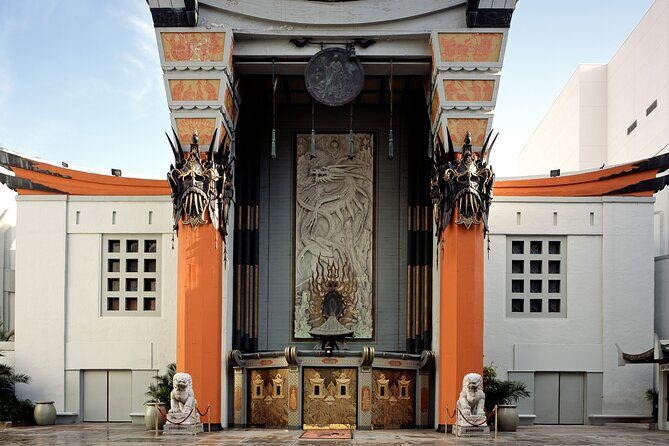
Then comes the main event for many people: TCL Chinese Theatre (the world-famous movie palace people still call Chinese Theatre). This stop includes the grand opening in 1927 and the tradition introduced there: celebrity handprints and footprints pressed into cement.
This is one of those details that makes the place feel alive even if you’ve seen pictures before. You can look at the marks and understand they’re not just signatures; they’re part of Hollywood’s ritual of turning people into legends.
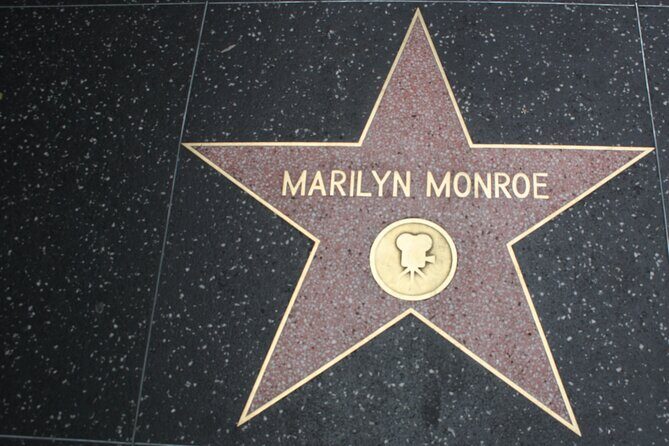
The guide also references star marks including Marilyn Monroe and Harrison Ford, and even mentions sci-fi pop culture fingerprints like R2-D2. That mix of classic Hollywood and modern iconography is exactly why this theater keeps pulling people in.
Musso & Frank Grill: The Hollywood That Shows Up Between Headlines
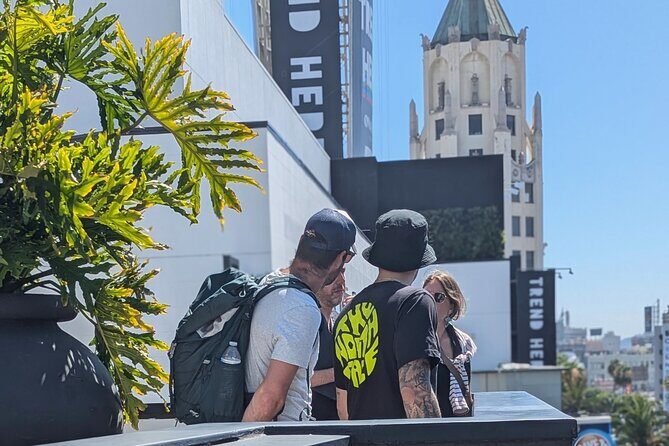
Not everything on this tour is about theaters. You’ll also hear the story of Musso & Frank Grill, Hollywood’s oldest restaurant, a place frequented by names like Chaplin, Bogart, and Marilyn Monroe.
The most memorable part for many people is the food history thread: the story about the U.S. first encountering fettuccine Alfredo after it was brought over by Hollywood royalty Mary Pickford and Douglas Fairbanks.
This stop works as a palate cleanser from movie-palace spectacle. It turns Hollywood from a set of stage props into a day-to-day world where actors ate, talked, and moved through routines. If you like the human scale of the entertainment industry, this angle hits hard.
Hollywood Roosevelt Hotel: Spanish Colonial Glamour and an Academy Awards First
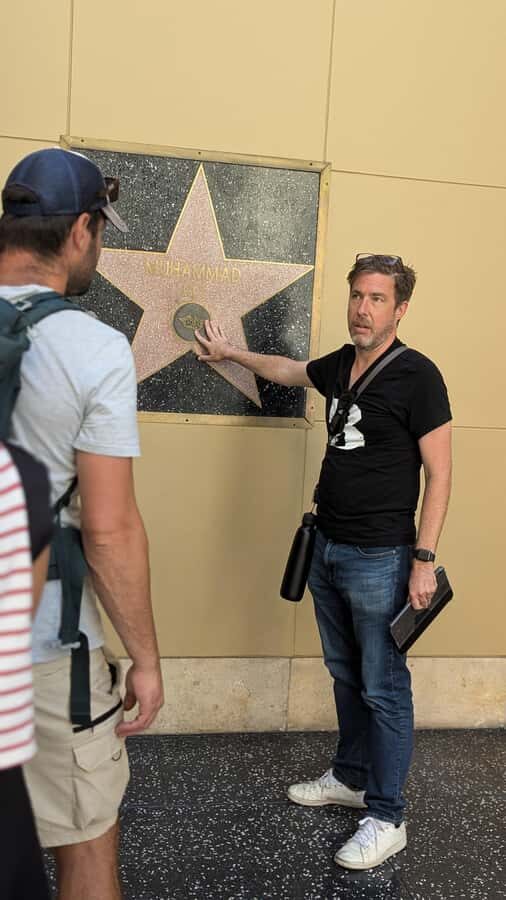
The tour ends at the Hollywood Roosevelt Hotel, a Spanish Colonial Revival landmark with grand interiors that still feel built for Hollywood arrivals.
The big historical note is that Hollywood’s first Academy Awards ceremony was held here. That fact gives the tour a satisfying close because it connects the boulevard’s movie mythology to the awards system that formalized fame.
The hotel has also been associated with stars like Marilyn Monroe, so you’re finishing in a place that helped define what Hollywood glamour looked like when it mattered most.
Even if you don’t feel like you need more pictures, this stop gives you a sense of how Hollywood celebrated itself. It’s not just lights and signage; it’s buildings that were designed to host big moments.
Guides Can Make or Break It: Éloi and Mark as Examples
A lot of Hollywood tours can sound the same: names, dates, then more names. What separates this one is the guide’s voice.
In the small group experience, guides like Éloi bring humor and strong Hollywood knowledge, and he’s shown an ability to adapt when schedules or group mix-ups happen. If you get a guide like Mark, you may also hear extra operational details, since he works in the film industry and can explain how theaters and the business side of Hollywood fit together.
You don’t have to hunt for deep facts on your own. The tour puts them in context, and that’s what makes the walk stick.
Price and Value: Why $35 Makes Sense for This Route
At $35 per person, you’re paying for three things that are hard to replicate on your own without research time: a planned route, a live guide, and multiple iconic stops packed into 150 minutes.
If you try to DIY this, you’ll likely spend time deciding where to start, where to stop, and which details are worth reading. With a guide, you get a structured path plus explanation at each place—especially useful at the Hollywood Sign and Walk of Fame, where the “what you’re looking at” matters.
And because it’s a small group setup, you can ask questions without feeling like you’re attached to a herd. That’s where the money goes: into the conversation, not just into the locations.
Practical Tips That Keep the Tour Fun, Not Exhausting
You’ll do a lot of walking, so plan for it. The tour itself suggests comfortable shoes, and that’s the right call. Also check the weather forecast and dress for it. Hollywood can be sunny and hot, and you’ll feel that in your legs once you get moving.
Bring a camera if you want to capture the Hollywood Sign, the theater facades, and the Walk of Fame. That said, don’t overshoot. Pick a few must-have shots, then put the camera away and use your eyes for the stories you’re hearing.
Finally, arrive early at the meeting point. Standing there before the group starts saves you from stress later. You’ll get more out of the first 10 minutes instead of rushing.
Should You Book This Hollywood Boulevard and Movie Palaces Walking Tour?
Book it if you want Hollywood’s biggest movie icons in one tidy walking plan, and you like learning the stories behind the landmarks instead of just taking photos. It’s also a good pick if you’re traveling with teens or movie fans who like trivia and quick explanations at each stop.
Skip it (or consider a different option) if you’re looking for a slow, fully flexible walking day. This one has a steady pace, and it’s designed for you to cover a set set of sights in about 2.5 hours.
FAQ
How long is the Hollywood Boulevard and Movie Palaces walking tour?
The tour duration is 150 minutes, about 2.5 hours.
How much does the tour cost?
The price is $35 per person.
Where do we meet for the tour?
You meet in front of the elevator at the entrance of the Metro Station Hollywood/Highland on Hollywood Boulevard (6815 Hollywood Blvd).
What are the main highlights of the tour?
The tour focuses on the Hollywood Sign, Hollywood Boulevard, the Hollywood Walk of Fame, Grauman’s Egyptian Theatre, Grauman’s Chinese Theatre (TCL Chinese Theatre), and the Hollywood Roosevelt Hotel.
Is there a live guide, and what languages do they speak?
Yes, it’s a live tour guide. The tour is offered in English and French.
Is there a private group option?
Yes, a private group is available.
What should I wear or bring?
Wear comfortable shoes, check the weather forecast and dress appropriately, and bring a camera if you want photos.
Is free cancellation available?
Yes. You can cancel up to 24 hours in advance for a full refund.