REVIEW · LOS ANGELES
Hollywood: Medieval Torture Museum Ticket with Ghost Hunting
Book on GetYourGuide →Operated by Medieval Torture Museum Los Angeles · Bookable on GetYourGuide
This museum turns history into chills. In Hollywood, the Medieval Torture Museum pairs an audio guide with wax sculptures and a ghost-hunting app. It’s a 7,000-square-foot walk through the darker side of punishment and spectacle.
I like two things the most. First, the audio guide helps you make sense of the hundreds of devices you’ll see, instead of just staring at them. Second, the ghost hunting experience gives you something to do while you wander, so the visit doesn’t feel like one long stare-at-grisly-stuff session.
One caution: the subject matter is graphic. If you’re sensitive to torture methods, restraint, and execution scenes (even as wax figures), you may find it too heavy.
In This Review
- Key things to know before you go
- Entering The Medieval Torture Museum: What Your Ticket Gets
- The Audio Guide and Wax Sculptures: How the Museum Teaches (Without Being Gentle)
- 7,000 Square Feet of Dark History: What You’ll Actually See
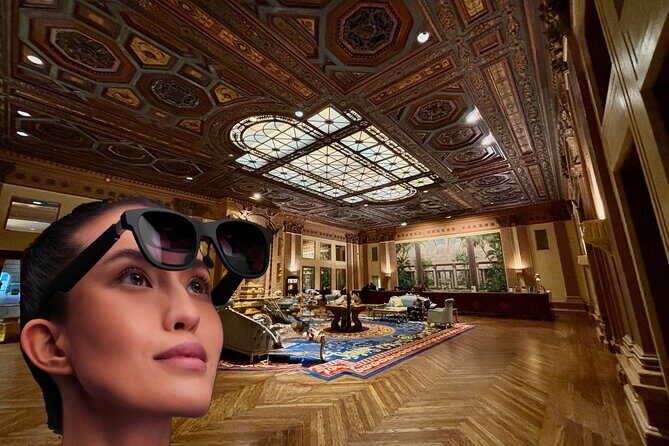
- Ghost Hunting Inside the Museum: Turning a Visit Into a Game
- Exploring at Your Pace: Comfort Strategy for a Heavy Museum
- Price and Value for $31: What You’re Paying For
- Planning Your Visit Dates and Hours: Holiday Timing Matters
- Who This Ticket Fits Best (And Who Should Skip It)
- My Booking Call: Should You Book This Ticket?
- FAQ
- Where do I redeem my ticket for the Medieval Torture Museum?
- What’s included with the ticket price?
- What do I need to bring with me?
- How do I do the ghost hunting experience?
- How long is the ticket valid?
- Can children visit?
- Is the museum wheelchair accessible?
- Is parking included?
Key things to know before you go
- Audio guide that actually explains hundreds of examples of torture, interrogation, and execution devices
- Wax sculptures of executioners and victims, built to show how the devices worked
- Ghost hunting via app as you explore, with prompts that keep you moving
- Self-paced layout across a 7,000-square-foot exhibition, so you can slow down or skip sections
- Graphic descriptions and visuals, and it’s not recommended for visitors under 18
Entering The Medieval Torture Museum: What Your Ticket Gets
Your ticket is straightforward: you get entry to the Medieval Torture Museum in Los Angeles, plus an audio guide and the ghost hunting experience. There’s no need to line up for a long scripted tour once you’re inside; the experience is built around your pace and what the audio guide prompts you to notice.
Meeting point is simple. Go to the cash desk to redeem your ticket. From there, you’ll be set up for the audio guide, with a greeter who can help you get started in English or Spanish.
Bring a little kit to make the audio part work smoothly: headphones and a charged smartphone. The museum doesn’t want you relying on a dead phone screen, and your own headphones matter because you’ll be listening throughout the exhibit.
You can also read our reviews of more tours and experiences in Los Angeles



The Audio Guide and Wax Sculptures: How the Museum Teaches (Without Being Gentle)

The museum uses an audio guide that’s designed to guide you through the exhibition step by step. Instead of a single theme, you’ll move across examples of torture, interrogation, restraint, and execution devices drawn from different eras. The effect is less like a museum lecture and more like a guided walk where your attention is steered on purpose.
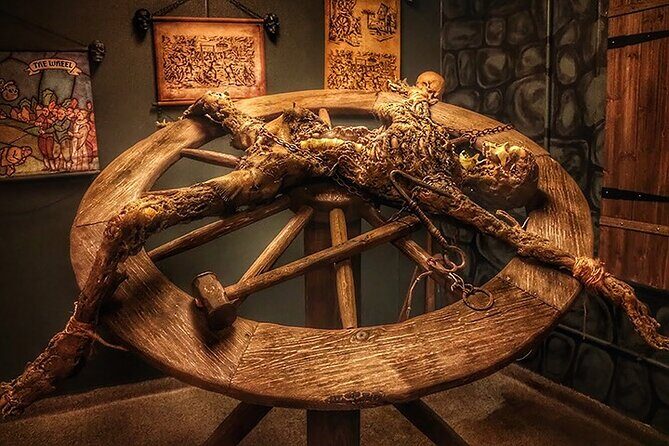
A big part of the attraction is the way the museum uses wax sculptures. You’ll see wax figures of executioners and victims, and the goal is to show what the devices were meant to do. That visual explanation is one reason this museum can feel different from a typical history stop. You’re not only learning names and dates; you’re seeing the setup and imagining how the mechanism worked.
Practical note: because it’s audio-led and you’re exploring at your own pace, plan to take breaks when you need them. The content is graphic, and the descriptions of torture methods are part of the experience, not a side note. If you know you get overwhelmed by gore or grim detail, build in time to step out, catch your breath, and then come back.
7,000 Square Feet of Dark History: What You’ll Actually See
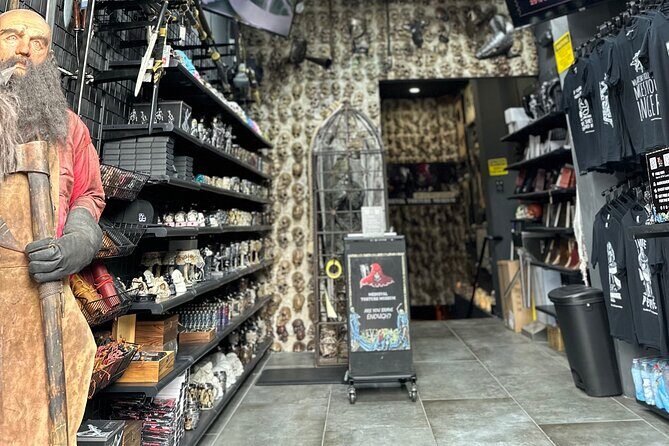
The exhibition takes up 7,000 square feet, and it’s packed with a lot more than a few display cases. The museum is presented as one of the largest torture museums in the United States, and you can feel that once you start walking. Expect a dense route with plenty to look at, plus audio prompts that direct what to focus on.
What I’d focus on first is how the museum organizes the visitor’s attention. You’re not just wandering through randomly. The audio guide points you toward the “hundreds of examples” of devices, which helps you connect categories like restraint versus interrogation versus execution.
Even if the visuals are wax, the subject matter is real in spirit: punishment was often public, theatrical, and meant to intimidate. So the learning here isn’t just about gadgets. It’s about why people used them and what society hoped to achieve through fear.
If you want to get the most out of the space without getting completely weighed down, don’t try to see everything in one go. Pick sections based on your comfort level. The museum’s size makes that choice meaningful, because you’ll have time to slow down rather than feel rushed.
Ghost Hunting Inside the Museum: Turning a Visit Into a Game
Here’s where the ticket gets more fun. While you explore, you can participate in the Ghost Hunting Experience by downloading the museum app. This is designed as a parallel activity to your normal museum walk—meaning you don’t have to choose between “learning” and “entertaining.”
The idea is that you’ll try to find ghosts in the museum using the app. That doesn’t change the historical content, but it gives you a reason to keep your eyes moving. Instead of staring at displays from one angle, you’ll likely check areas you might otherwise walk past quickly.
It also changes the visit rhythm. The audio guide tends to pull you toward explanations and details, while the ghost hunt encourages scanning and searching. If you like hands-on elements—even spooky ones—this is the part that can make the museum feel more like an active experience than a passive one.
Exploring at Your Pace: Comfort Strategy for a Heavy Museum
The museum is set up so you can explore at your own pace, using the audio guide as your guide rail. That matters here because the subject is intense. You get control over how long you linger on certain devices or how quickly you move through sections that feel too much.
My practical advice is simple: decide how you’ll handle the pace before you start. If you want maximum learning, plan to listen to the audio guide segments fully and stop for the wax sculptures that match what you’re hearing. If you’re more of a “see what I came for” visitor, you can still enjoy the audio, but you may want to choose a few device categories to focus on.
Also, keep an eye on your comfort with the visuals. The museum includes graphic wax sculptures and descriptions of torture devices and methods. That’s not just a marketing line—it’s built into how the exhibits are presented.
On-site, you may find it helpful to pace yourself around the most graphic displays. When you hit a section that feels like too much, step away briefly, reset, and come back when you’re ready. Self-paced means you can do that without feeling like you’re falling behind a group.
You can also read our reviews of more museum experiences in Los Angeles






Price and Value for $31: What You’re Paying For

At $31 per person, this ticket sits in the “fairly affordable for a themed attraction” range, but the value comes from what you actually get included. You’re not paying only for entry. Your ticket includes an audio guide and the ghost hunting experience—two parts that can take time and add value to the visit.
Think of it like this: if you were paying separately for an audio-enhanced attraction experience and a phone-based activity, you’d usually spend more. Here, both are included in the same admission price.
A couple of cost-related realities to remember:
- Food and drinks are not included, so you’ll want to plan a snack or eat before/after.
- On-site parking is not included, so you’ll want to factor that into your overall outing cost.
One more value note: the ticket is valid for 365 days. That gives you flexibility if your schedule changes, and it can help if you’re building a multi-stop Los Angeles day.
The museum also has a reported quality issue worth knowing about. One verified review flagged bathrooms as disgusting and said there was no toilet paper. I can’t verify that personally, but it’s smart to plan ahead anyway—carry tissue or be ready for what you find.
Planning Your Visit Dates and Hours: Holiday Timing Matters

This is the kind of attraction where holiday hours can surprise you. On Thanksgiving, the museum runs 12pm–8pm. On Christmas Eve and Christmas Day, hours are 11am–8pm.
So if you’re visiting during late fall or early winter, check the exact hours before you go. Holiday schedules can shape crowds and even how long you’ll need to explore comfortably.
Also, the ticket is valid for 365 days, but it notes you should check availability to see starting times. That’s another reason to avoid waiting until the last minute if you’re aiming for a specific day.
Who This Ticket Fits Best (And Who Should Skip It)
This museum is best for adults and older teens who can handle graphic depictions of torture methods and execution scenarios. The museum contains graphic wax sculptures and descriptions of torture devices and methods, and it’s not recommended for visitors under 18.
Rules for minors are clear:
- Anyone under 18 must be accompanied by an adult.
- Children under 10 are admitted free of charge if they’re accompanied by a dedicated adult (1 adult to 1 child).
If you’re traveling with family, that means you should think carefully about ages and what you want your kids to see. The museum’s content is meant to be dark and educational at the same time, but it’s still graphic.
If you want a fun group activity with a spooky side, the ghost hunting app helps. It gives you a game element you can do together, even while you’re still absorbing the museum content.
One more practical detail: dogs on leash (non-aggressive breeds) are allowed. If your dog is part of your routine, this is a rare attraction that accommodates it.
My Booking Call: Should You Book This Ticket?
Book it if you want a self-paced, audio-led museum that teaches you how torture devices worked through wax visuals, and you also want the ghost hunting app to add movement and play to the experience. The audio guide is included, the space is large at 7,000 square feet, and the $31 price makes sense if you plan to use both the audio and the app during your visit.
Consider skipping (or picking another attraction) if graphic torture and execution descriptions feel like a hard no for you. Also, if clean bathrooms are a must for you on a day trip, I’d plan for the possibility that facilities may not meet your expectations.
If you’re still on the fence, the best approach is to treat this as an intentional stop, not a quick walk-through. Give yourself time, bring headphones, and decide ahead of time what level of detail you want to experience.
FAQ
Where do I redeem my ticket for the Medieval Torture Museum?
Redeem your ticket at the cash desk. That’s the stated meeting point to get your entry sorted.
What’s included with the ticket price?
The ticket includes your entrance, an audio guide, and the ghost hunting experience.
What do I need to bring with me?
Bring headphones and a charged smartphone. You’ll want headphones for the audio guide, and your smartphone is needed for the ghost hunting experience.
How do I do the ghost hunting experience?
You participate by downloading the app, then using it while you explore the museum to try to find ghosts.
How long is the ticket valid?
The ticket is valid for 365 days. You should check availability to see starting times.
Can children visit?
Anyone under 18 must be accompanied by an adult. Children under 10 are admitted free of charge with a dedicated adult (1 adult to 1 child).
Is the museum wheelchair accessible?
Yes. The museum is wheelchair accessible.
Is parking included?
No. On-site parking is not included.