REVIEW · LOS ANGELES
Skip the Line: General Admission Museum of Tolerance Ticket
Book on Viator →Operated by Museum of Tolerance · Bookable on Viator
A visit here doesn’t just teach history. The Museum of Tolerance connects the Holocaust to today’s prejudice, in a way that stays real and uncomfortable. You’ll walk through exhibits and programming focused on how discrimination works, then ask what you can do about it.
I particularly love the museum’s clear mission: it’s built like a human rights classroom. You also get a strong focus on Holocaust education paired with modern antisemitism and discrimination, so the message doesn’t stay stuck in the past.
One possible drawback: the experience can feel emotionally heavy, and timing matters if you’re hoping for specific talks or testimony.
In This Review
- Key highlights to know before you go
- Museum of Tolerance in Los Angeles: why this visit hits different
- Skip-the-Line General Admission: mobile ticket, real-world timing
- Getting inside: security, setup, and how to keep your momentum
- The main stop: Museum of Tolerance and how to use your 1–2 hours
- Holocaust education, not just facts: what the museum is really trying to teach
- Today’s prejudice: antisemitism and the Jewish diaspora in the Here-and-Now
- Events and testimony: how schedules can shape what you get
- Getting the most out of your visit: a simple game plan
- Emotional weight and visitor etiquette: the stuff that can affect your day
- Gift shop time: small reward, real value
- Who this museum ticket is for (and who might want to plan differently)
- Should you book this Museum of Tolerance ticket?
- FAQ
- How long does the Museum of Tolerance visit take?
- Is this a mobile ticket?
- Where is the Museum of Tolerance located?
- What topics will I see?
- Does the ticket include admission?
- Will I receive confirmation after booking?
- Are service animals allowed?
- Is the museum near public transportation?
- Is parking easy?
- What if I need to cancel?
Key highlights to know before you go
- Mobile ticket with confirmation sent at booking, so you can plan fast once you arrive
- Holocaust context plus present-day prejudice, including antisemitism and discrimination
- Human rights education focus designed to challenge bigotry, not just inform
- Programming and events can shape what you see, so arrive with flexible expectations
- Entry notes matter: keep your confirmation screen handy, and expect security checks
Museum of Tolerance in Los Angeles: why this visit hits different
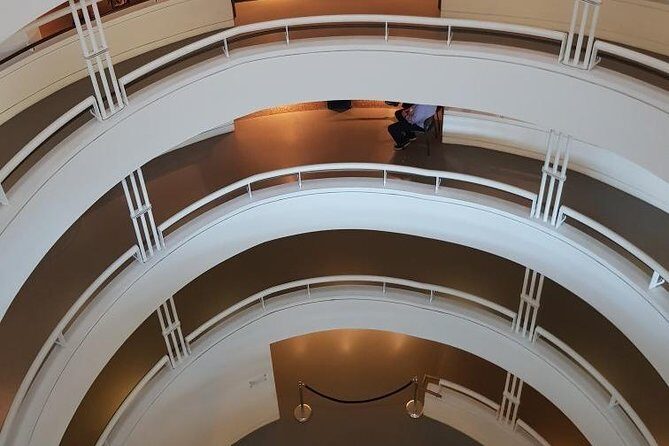
Los Angeles has plenty of museums that entertain first. The Museum of Tolerance does the opposite. It’s an educational center built to confront discrimination and bigotry, and it uses the Holocaust as a starting point for understanding how prejudice spreads and how it can be challenged.
What makes the museum especially meaningful is the way it links historic events to the kinds of hate that still show up today. You’re not just learning what happened. You’re also learning how antisemitism and other forms of discrimination operate in real life, then being pushed to think about what that means now.
It’s also a museum that treats your time seriously. Plan for about one to two hours, and use that window to focus on the big themes: how prejudice works, what it destroys, and what education is trying to prevent.
You can also read our reviews of more tours and experiences in Los Angeles



Skip-the-Line General Admission: mobile ticket, real-world timing

This is a general admission ticket designed to reduce friction at arrival. Your ticket is delivered as a mobile ticket, and you should receive confirmation at the time of booking.
Here’s the practical part that will save you stress: bring (or have ready on your phone) the confirmation screen. One common complaint is that the ticket details can be hard to locate on the app if you wait until the last second. If you get there with the confirmation clearly visible, entry goes smoother.
Also, the name says skip-the-line, but don’t treat that as a guarantee that nothing will ever take time. Even when lines are short, museums still have security. And there are extra notes if you drive: one visitor reported their car was searched upon parking. So plan for that possibility, especially if you’re visiting at a busy time.
Getting inside: security, setup, and how to keep your momentum
Before you even reach the galleries, the museum’s front-door process sets the tone. Expect security screening at the gate. It’s not a dealbreaker, but it’s part of how this museum operates.
What I like about the setup is that once you’re through, you can move at your pace. Most visitors can participate, and service animals are allowed, which makes the visit easier for people who need them.
If you’re coming in close to your time window, you’ll also want to keep one eye on the ticket confirmation. The museum’s entry flow is not the place to hunt through settings, logins, or emails. Do that before you arrive.
The main stop: Museum of Tolerance and how to use your 1–2 hours
Think of your visit like a guided conversation between past and present. The museum is organized around learning how discrimination is built, how it grows, and what it looks like when it becomes policy, violence, or social pressure.
With only 1 to 2 hours, you don’t want to treat this like a casual stroll where you read every label slowly. Instead, aim for a purposeful path:
- Start with the big exhibits tied to the Holocaust and prejudice.
- Then shift into rooms that address antisemitism and discrimination in today’s world.
- If you spot programming or testimony moments during your visit, decide early whether you want to pause for them.
This pacing helps you avoid the most common regret: spending so much time reading about history that you miss the parts meant to connect to modern hate.
Holocaust education, not just facts: what the museum is really trying to teach
The Holocaust exhibits are the heart of the museum’s educational mission. The goal isn’t only to tell you what happened. It’s to help you understand the mechanics of prejudice in historic context, and to connect those mechanics to the present.
In practical terms, that means you’ll see content focused on the Holocaust and its broader implications for humanity. You’ll also see how the museum frames the subject as part of a wider struggle against discrimination and bigotry.
This is where the museum earns its serious reputation. The content can be emotionally intense, but it’s also structured to help you make meaning from the information. If you walk in expecting only a display of artifacts and dates, you may be surprised by how much thought the museum encourages afterward.
You can also read our reviews of more museum experiences in Los Angeles






Today’s prejudice: antisemitism and the Jewish diaspora in the Here-and-Now
One reason people walk away feeling “far beyond expectations” is that the museum doesn’t leave you at the Holocaust timeline. It moves into present-day themes like antisemitism, discrimination, and the Jewish diaspora.
In this section, you’re more likely to feel that the museum is asking questions of you, not just telling a story. You’ll see how prejudice can show up in everyday life and how hate can be repackaged over time.
A balanced way to approach it: don’t try to solve the whole world during your visit. Instead, note the patterns. The exhibits are trying to show how discrimination spreads, how it’s justified, and how education can interrupt it.
Some visitors felt the modern section could be stronger, or that it included material that didn’t fully hold their attention. That said, the museum’s value is exactly this connection between past and present, and you shouldn’t skip it if you want the full lesson.
Events and testimony: how schedules can shape what you get
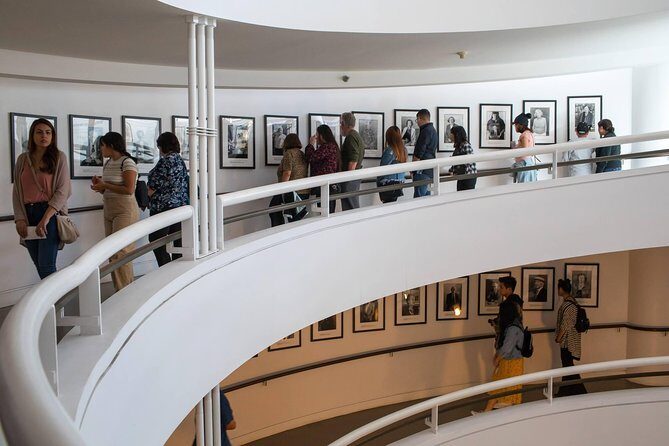
Part of the museum’s power comes from events and scheduled programming. If you’re lucky, you’ll catch moments tied to testimony and educational sessions.
One important consideration: if you’re expecting a specific kind of Holocaust survivor testimony, you may find it harder than you’d hope to locate exactly what’s being offered on that day. Some visitors reported being misdirected to a volunteer-style program instead of the testimony they thought they’d find.
So here’s the practical advice: check what’s happening when you arrive, and ask questions early. If your schedule depends on it, plan to arrive with enough time to locate the right session.
Getting the most out of your visit: a simple game plan
If you want your hour or two to feel focused (and not like you missed half the point), use this approach:
- Choose your theme for the first half
Aim for the Holocaust and how prejudice gets framed historically.
- Give the modern section intentional time
Don’t rush it. This is where you connect the lesson to antisemitism and discrimination today.
- If there’s a talk or testimony moment, make a decision fast
Waiting around too long can cost you the chance to see the rest of the museum.
- Use staff help early
If you’re looking for something specific, ask at the start rather than later when it’s harder to change plans.
This isn’t about doing everything. It’s about leaving with the museum’s intended message intact.
Emotional weight and visitor etiquette: the stuff that can affect your day
This museum deals with heavy topics. That affects the atmosphere more than you might expect. You’ll want to be ready for the material to feel disturbing at times.
You also might have to manage visitor behavior. A few people noted that other groups moved quickly through walk-through displays, which can be distracting. The museum is educational, but it’s also communal, so it helps if you plan to navigate with patience.
If you’re going with a class assignment or group, you may find the structure works well for guided learning. Just set expectations in advance that the museum isn’t built to be light or casual.
Gift shop time: small reward, real value
After you finish the exhibits, allow time to visit the gift shop. People consistently mention it as worth your attention, and it’s a practical way to take something home that keeps the education going.
Even if you don’t plan to buy much, it’s one of the few low-pressure places in the visit where you can slow down, reflect, and reset before heading back out.
Who this museum ticket is for (and who might want to plan differently)
This Museum of Tolerance visit fits best if you want a serious educational experience. If you’re studying discrimination, hate, the Holocaust, antisemitism, or how the Jewish diaspora has been affected across time, you’ll likely find the museum relevant and thought-provoking.
It also works well for:
- Adults and older teens who can handle heavy topics with respect
- Students doing school projects
- People who want museum content connected to current social issues
If you’re looking for a purely visual, fast-moving museum day, you might feel the pace is more intense than you expected. And if you’re very sensitive to the topic, consider bringing a little buffer time so you don’t feel rushed out right after the hardest rooms.
Should you book this Museum of Tolerance ticket?
Yes, I’d book it if you want an educational visit that links the Holocaust to today’s discrimination. The museum’s strongest asset is its mission-driven focus on prejudice and bigotry, plus the way it challenges you to connect history to modern antisemitism.
I’d book with a bit of extra care if you’re relying on a specific event or a particular type of testimony. In that case, arrive prepared to check what’s happening on the day and ask staff what you should attend.
Finally, take the ticket confirmation seriously. Have it ready, and you’ll reduce stress at the gate.
FAQ
How long does the Museum of Tolerance visit take?
The experience is approximately 1 to 2 hours.
Is this a mobile ticket?
Yes. The ticket is delivered as a mobile ticket.
Where is the Museum of Tolerance located?
The museum is in Los Angeles, USA.
What topics will I see?
You can expect exhibits and events exploring discrimination and bigotry, the Holocaust, antisemitism, and the Jewish diaspora.
Does the ticket include admission?
Yes, admission to the Museum of Tolerance is included.
Will I receive confirmation after booking?
Yes. Confirmation will be received at the time of booking.
Are service animals allowed?
Yes, service animals are allowed.
Is the museum near public transportation?
Yes, it is near public transportation.
Is parking easy?
The information provided notes that cars may be searched upon parking, so plan for that possibility.
What if I need to cancel?
This experience is non-refundable and cannot be changed for any reason.