REVIEW · LOS ANGELES
L.A. Mafia History Tour: Gangsters, Mobsters & Crime Legends
Book on Viator →Operated by Grave Line Tours · Bookable on Viator
Hollywood has a darker side. This 3-hour L.A. Mafia History Tour turns familiar movie-map spots into real crime-world stops, with guide-led storytelling that connects mob power to the city’s entertainment machine. I love the tight, small group setup (up to 8 people), and I also like that you get a real, in-the-field feel without the tour turning into a lecture in a parking lot.
One thing to consider: the tour is true-crime themed, so if you get easily upset by disturbing material, this one may not be your best match.
In This Review
- What I like about the stops and the guide
- Quick hits before you go
- Entering The Hollywood Mob Route: What the 3-Hour Tour Feels Like
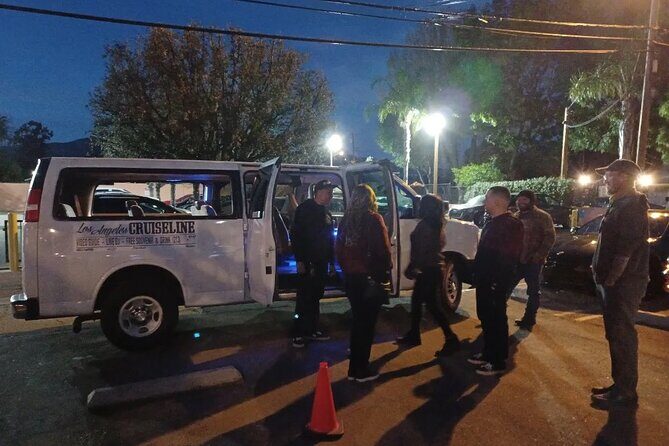
- Meeting Point on Hollywood Blvd and How the Ride Works
- The Formosa Cafe Moment: Bugsy Siegel’s Vault and a Mob HQ Feel
- Hollywood Art Deco Offices: Handsome Johnny Roselli’s Corner and FBI Watch
- Mickey Cohen Meets Bugsy Siegel at the Hollywood YMCA
- The Hollywood Reporter Headquarters and Billy Wilkerson’s Power
- Tops Café, Lana Turner, and the Idea of Being Discovered
- Crossroads of the World: Prohibition-era Crime Under Art Deco Style
- Studio Lot Stop and Labor Battles Linked to the Hollywood Syndicate
- Roselli Again: Glamour Address, Surveillance, and the Cost of Power
- Virginia Hill’s Residence: From Small-Town Girl to Mob Courier
- The Godfather Horse Head House: Movie Myth Meets Real Street
- Price and Value: Is $93.08 Worth 3 Hours?
- Who This Tour Fits Best (and Who Should Skip It)
- Should You Book the L.A. Mafia History Tour?
- FAQ
- What time does the tour start?
- Where do I meet the tour?
- How long is the tour?
- Is the tour in English?
- Do I get a ticket on my phone?
- Are snacks included?
- Is admission included at any stops?
- What if I’m sensitive to true crime?
- Can I get a refund if my plans change?
What I like about the stops and the guide
I especially like how the route braids together big names and unexpected locations. You’re not just hearing about “gangsters in Hollywood,” you’re standing at places tied to meetings, publishing power, celebrity discovery, and even mob-linked gambling and labor conflict.
And credit where it’s due, the guide experience matters here. One guide name that comes through is Blaze, praised for capturing the vibes and keeping the drive fun while sharing a steady stream of LA mob scene context.
Quick hits before you go
- Up to 8 people means you actually hear the guide and can keep your focus on the story, not on elbow math.
- 3 hours with a planned break gives you time to reset without losing momentum.
- Mobile ticket + phone-based visual background material works well if you have data.
- Formosa Cafe stop includes free admission and adds a more hands-on feel than pure photo stops.
- An Art Deco-meets-underground vibe shows up repeatedly, from office spaces to iconic landmarks.
You can also read our reviews of more historical tours in Los Angeles

Entering The Hollywood Mob Route: What the 3-Hour Tour Feels Like
This is built for a specific kind of traveler: the person who likes Los Angeles as a real place, not just a backdrop. The tour runs about 3 hours, starts at 2:30 pm, and loops back to the original meeting point on Hollywood Blvd.
You’ll spend most of the time on the move, seeing sites that connect to organized crime and Hollywood’s power system. It’s a mix of exterior looks and guided explanations at each stop, with short photo moments that help you connect names to addresses and streets.
The tone is fun, but it’s not playful. The operator flags that it’s not recommended for people who get emotionally upset by true crime content. If you know that kind of storytelling hits you hard, take that warning seriously.
Meeting Point on Hollywood Blvd and How the Ride Works
Your tour starts at 6801 Hollywood Blvd, Hollywood, CA 90028, and it ends right back at the same spot. That “start and finish together” setup is helpful when you’re planning dinner afterward, and it reduces the stress of coordinating rides home.
The group stays small, with a stated maximum of 8 travelers. That matters because mob history can get detail-heavy fast. A smaller group helps the guide keep the pacing tight and the explanations clear.
You’ll also have a 15-minute break for restrooms and refreshments. Refreshments are sold separately, so I’d plan on treating it like a quick pit stop rather than a built-in snack moment.
The Formosa Cafe Moment: Bugsy Siegel’s Vault and a Mob HQ Feel
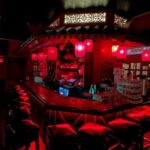
One of the strongest reasons to book is the Formosa Cafe stop. This is where the tour shifts from “storytelling from the sidewalk” to a more lived-in, inside look.
This stop is described as the Hollywood Syndicate’s real-life headquarters, with the chance to explore the environment and see the kind of operational spaces mob figures used. Best of all, it includes access to a vault famously used by Bugsy Siegel for secret gambling operations.
The tour lists the Formosa Cafe visit as 20 minutes with free admission. That free entry is a real value bump versus tours that only pass by notable exteriors. You get something closer to a “this was the room” experience, even if it’s not a full museum-style visit.
Hollywood Art Deco Offices: Handsome Johnny Roselli’s Corner and FBI Watch
Hollywood’s glam image gets tested quickly on this route. One stop centers on an Art Deco landmark where mobster Handsome Johnny Roselli is tied to the corner office setting—where Hollywood glamour and Mafia intrigue intersect in the story you’ll hear.
The tour also includes another Roselli-related site: his former residence, described as being under constant FBI surveillance. Even if you don’t love true crime for its own sake, this kind of detail changes how you view the architecture and the location. Suddenly, a normal-looking building becomes a clue in a bigger power game.
This section is where I think the tour earns its name. It’s not just listing famous people—it’s showing how the city’s institutions and the people operating outside the law overlapped in mid-century Los Angeles.
Mickey Cohen Meets Bugsy Siegel at the Hollywood YMCA
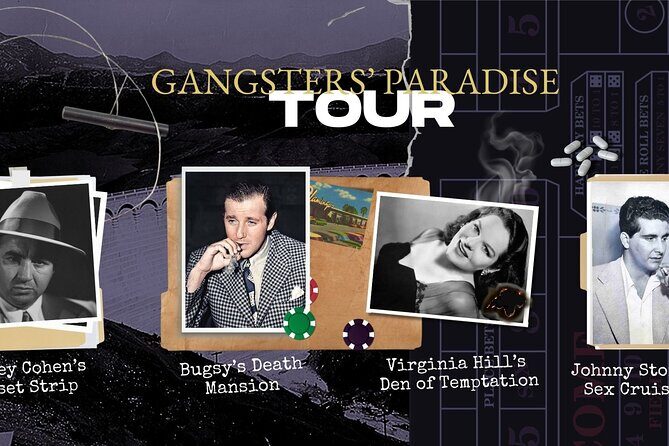
If you like mob stories that feel weirdly cinematic, this is one of them. The tour takes you to the Hollywood YMCA, described as the unexpected setting for the first meeting between Mickey Cohen and Bugsy Siegel.
The standout detail here is the location within the building: the men’s locker room. That kind of place adds texture to the story. Instead of a power-lunch or a luxury office, you get the sense of tense negotiation happening in a setting that feels ordinary—until you realize how high the stakes were.
This stop is also a good reminder of why the “crime and entertainment” theme works. Hollywood wasn’t isolated from the mob world; it was plugged into it through people, money, and influence.
The Hollywood Reporter Headquarters and Billy Wilkerson’s Power
Next comes media power. The tour includes the original headquarters of The Hollywood Reporter, tied to founder Billy Wilkerson, known as The Hollywood Godfather.
Here’s why this matters if you care about how LA works. Media doesn’t just report on power—it can help shape it. The tour frames Wilkerson as someone whose sharp influence affected the rise and fall of Hollywood’s elite, and seeing the headquarters site gives you something solid to connect to that idea.
If you’ve ever wondered why Hollywood talk can feel like politics, this stop gives you a route into that thought. It turns a newspaper headquarters into a real mechanism of influence in the story the guide tells.
Tops Café, Lana Turner, and the Idea of Being Discovered

The tour doesn’t keep things strictly on the mob’s side. It pivots into classic Hollywood dream logic with the former site of Tops Café, where screen legend Lana Turner was famously discovered.
This stop is described as a classic soda fountain and a buzzing hangout for rising stars and dreamers. That matters because it highlights a key tension in Los Angeles: the same city that marketed glamour also attracted organized crime, and the fantasy of discovery could lead people into every possible corner of the entertainment machine.
If you want a bit of old Hollywood atmosphere between heavier moments, this is a smart break in tone. You’re still hearing crime-adjacent stories, but you’re also seeing how Hollywood’s mythmaking built careers.
Crossroads of the World: Prohibition-era Crime Under Art Deco Style
From dream logic to grim reality. The tour includes Hollywood’s Crossroads of the World, described as a striking 1930s landmark built on the site where bootlegger Charlie Crawford met a violent end.
What I like about this stop is the contrast. The complex carries old Hollywood glamour, but it sits on top of Prohibition-era violence, which the tour uses to frame that clash between elegance and the underworld.
It’s an easy stop to photograph, but the real value is the context. You start looking at the architecture as layers—pretty surfaces hiding darker stories underneath.
Studio Lot Stop and Labor Battles Linked to the Hollywood Syndicate
Another strong theme is how the mob connected with workplace power. The tour includes the historic studio lot where violent labor union battles are described as erupting under influence connected to the Hollywood Syndicate.
I like this part because it widens the story past “crime street scenes.” It’s about leverage: who could pressure workers, sway negotiations, and affect money flow. You don’t have to be a labor history fan to see why this kind of power would attract organized crime networks.
If you’re the type who likes cause-and-effect—how one group’s influence creates chaos elsewhere—this is a good stop to pay close attention.
Roselli Again: Glamour Address, Surveillance, and the Cost of Power
The route returns to Roselli with another site tied to his home. The tour frames this location as under constant FBI surveillance, which adds a layer that’s easy to miss in mob storytelling.
It’s one thing to hear about famous criminals. It’s another to hear how actively they were tracked. That contrast helps you feel the tension between the glam image and the pressure of being pursued.
This stop is also useful for tying together earlier themes: Hollywood institutions, media influence, and crime logistics aren’t isolated. They connect through people moving between scenes, deals, and reputations.
Virginia Hill’s Residence: From Small-Town Girl to Mob Courier
The tour also includes Virginia Hill’s first Los Angeles residence, described as a glamorous hideout connected to her rise from a small-town girl into an infamous mob courier.
This stop works because it focuses on a specific role rather than generic gang talk. The guide’s framing—how a seemingly elegant address becomes entwined with organized crime scandal—helps you understand how the mob world relied on more than muscle.
It’s a “how it worked” stop. Even if you only remember one name from the tour, Virginia Hill’s story is a good way to see how criminal networks functioned through movement, secrecy, and access.
The Godfather Horse Head House: Movie Myth Meets Real Street
Finally, you get a Hollywood crossover that many people will recognize even if they aren’t mob-history fanatics. The tour includes the house where the infamous horse head scene from The Godfather was filmed.
This is a clever closing beat because it ties entertainment back into the story. It reminds you that Hollywood keeps turning real-world intrigue into fiction—and sometimes the real addresses are still hiding in plain view.
If you like being able to say, I’ve stood near the spot that became a famous scene, this stop hits that itch.
Price and Value: Is $93.08 Worth 3 Hours?
At $93.08 per person for about 3 hours, this isn’t a budget crawl—it’s a specialized experience. The value comes from a few concrete things:
- Small group size (max 8) for a focused guide experience.
- A guided route through multiple distinct locations tied to major names like Bugsy Siegel, Mickey Cohen, Billy Wilkerson, Lana Turner, and more.
- One free admission stop at Formosa Cafe, plus a planned 15-minute break.
- Added phone-friendly visuals if you have data, which helps keep the story anchored to what you’re seeing outside.
If you’ve got limited time in LA and you want a tight, thematic way to see Hollywood beyond the tourist basics, the price starts to make sense.
Who This Tour Fits Best (and Who Should Skip It)
This is a great fit if you want a driving-and-walking tour that blends crime legends and Hollywood power with real place-based context. It also suits people who like dark storytelling as long as it’s guided clearly and kept at a human pace.
It may not be the right fit if true crime material hits your emotions hard. The tour explicitly notes it’s not recommended for travelers easily upset or emotionally sensitive to true crime content.
One more practical note: it requires good weather. If LA is doing its usual anything-goes thing, plan to be flexible.
Should You Book the L.A. Mafia History Tour?
I’d book this if you want one afternoon that connects Hollywood icons to the mob universe—without needing to piece together scattered info yourself. The strongest pull for me is the combination of street-level landmarks and an inside stop at Formosa Cafe with the Bugsy Siegel vault detail.
Skip it if you want a purely light, funny Hollywood sightseeing loop. This is crime-focused, and the tour’s own guidance warns you about disturbing content.
If you’re on the fence between this and a more macabre history option, this one feels like a clearer match to the Hollywood theme: mobsters, media power, celebrity discovery, and movie mythology all tied to real locations.
FAQ
What time does the tour start?
The tour starts at 2:30 pm. It runs for about 3 hours and ends back at the meeting point.
Where do I meet the tour?
You meet at 6801 Hollywood Blvd, Hollywood, CA 90028. The tour also ends back at this location.
How long is the tour?
It’s approximately 3 hours.
Is the tour in English?
Yes, the tour is offered in English.
Do I get a ticket on my phone?
Yes, the tour includes a mobile ticket.
Are snacks included?
Snacks are not included, though you’ll have an opportunity to purchase some from a one-time Mob HQ.
Is admission included at any stops?
Yes. At Formosa Cafe, the admission is listed as free, and that stop lasts about 20 minutes.
What if I’m sensitive to true crime?
The tour is not recommended for travelers easily upset or emotionally sensitive to true crime materials.
Can I get a refund if my plans change?
You can cancel for a full refund up to 24 hours before the experience’s start time. If you cancel less than 24 hours before, the amount paid is not refunded.